Source: Fox News
Summary
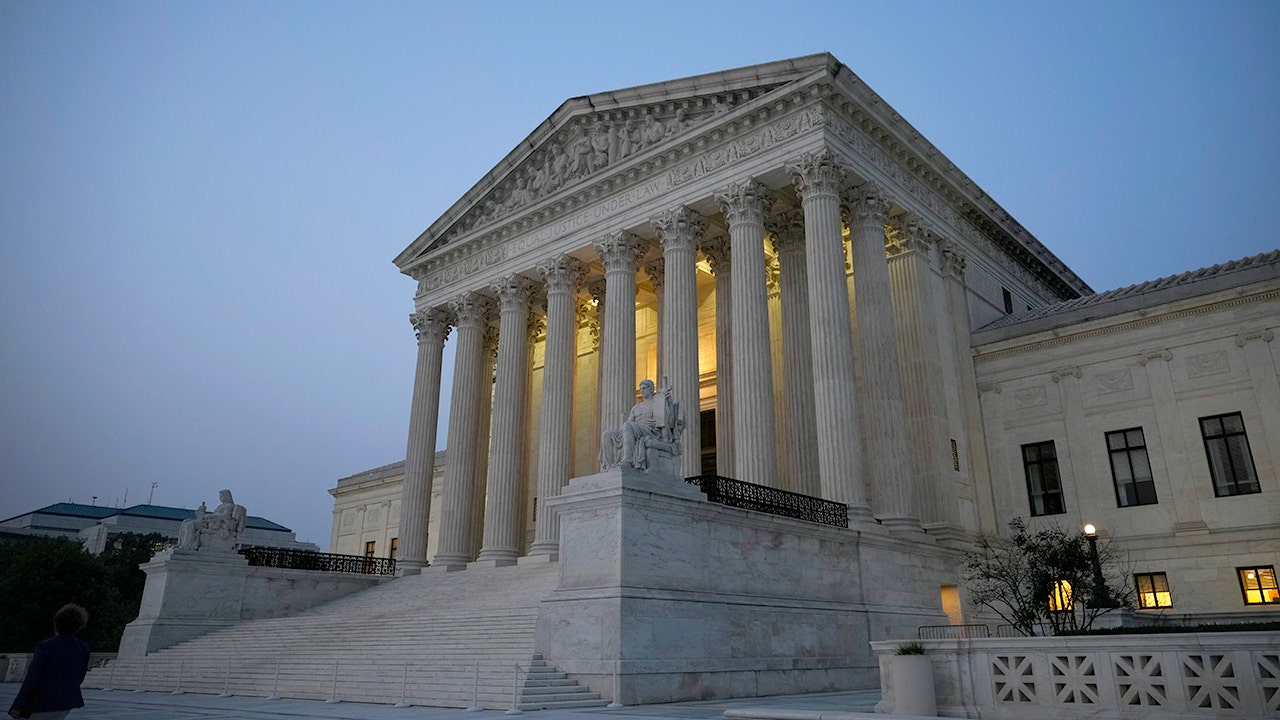
The Supreme Court will hear oral arguments on Wednesday in the case of Trump v. Barbara, which challenges the legality of President Donald Trump’s executive order seeking to end birthright citizenship in the U.S. The order aims to deny automatic citizenship to children born in the U.S. to undocumented parents or parents with temporary non-immigrant visas. The case has significant implications for immigration policy and the lives of millions of Americans and lawful U.S. residents.
Our Reading
As expected, the matter has reached another stage.
The Supreme Court will weigh the legality of Trump’s executive order, which has been a key component of his hard-line immigration agenda. The order has sparked a flurry of lawsuits, with critics arguing that it violates the Citizenship Clause of the 14th Amendment. The Trump administration, on the other hand, argues that the clause was intended to grant citizenship to newly freed slaves and their children after the Civil War, and has been misinterpreted over time.
The court’s conservative bloc will face thorny issues in reconciling more than a century of court precedent with the narrower reading of the 14th Amendment embraced by the Trump administration. The case has significant implications for the lives of millions of Americans and lawful U.S. residents, and a decision is expected by late June.
The justices will focus closely on precedent, including the 1898 Supreme Court case of United States v. Wong Kim Ark, which ruled that the son of two Chinese immigrants born in the U.S. was indeed a U.S. citizen. The court will also consider the text of the 1952 Immigration and Nationality Act, which confers legal status to persons born in the U.S.
It’s a familiar ritual: the Supreme Court weighing in on a contentious issue, with the Trump administration pushing for a significant shift in immigration policy. The outcome is far from certain, but one thing is clear: the decision will have far-reaching consequences for the lives of millions of Americans and lawful U.S. residents.
Author: Evan Null