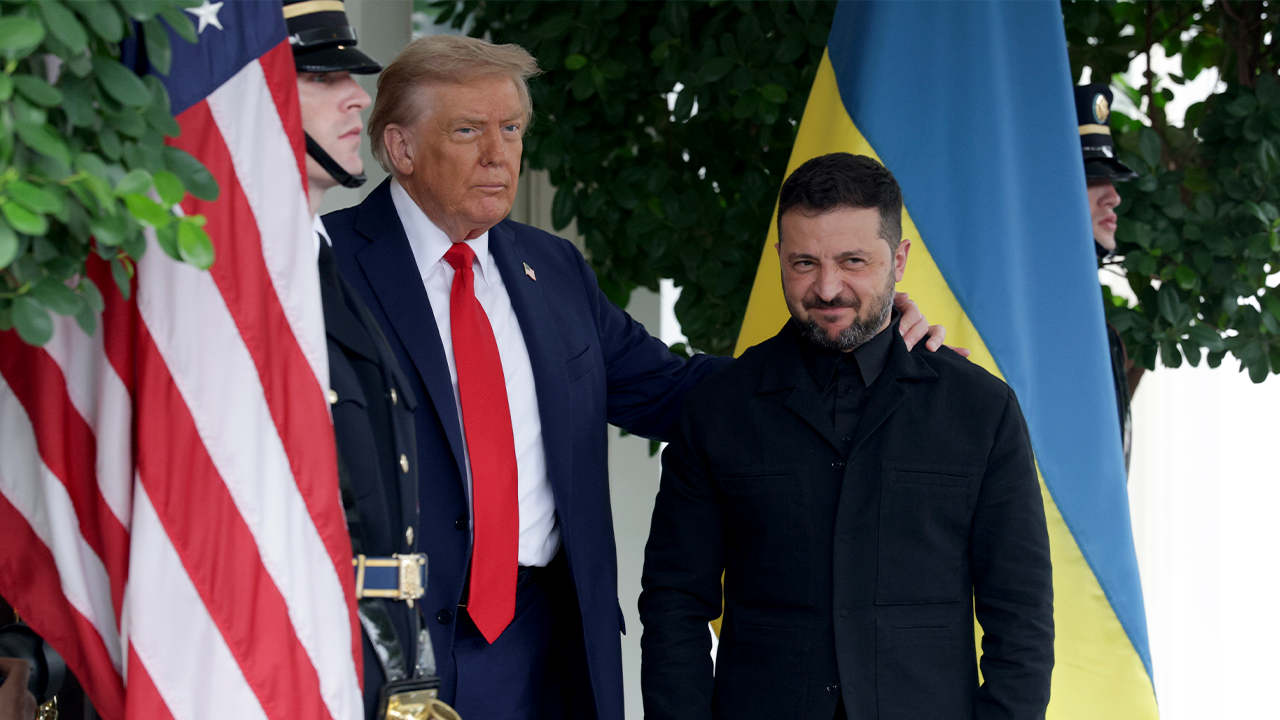
Source: FOX News
Summary
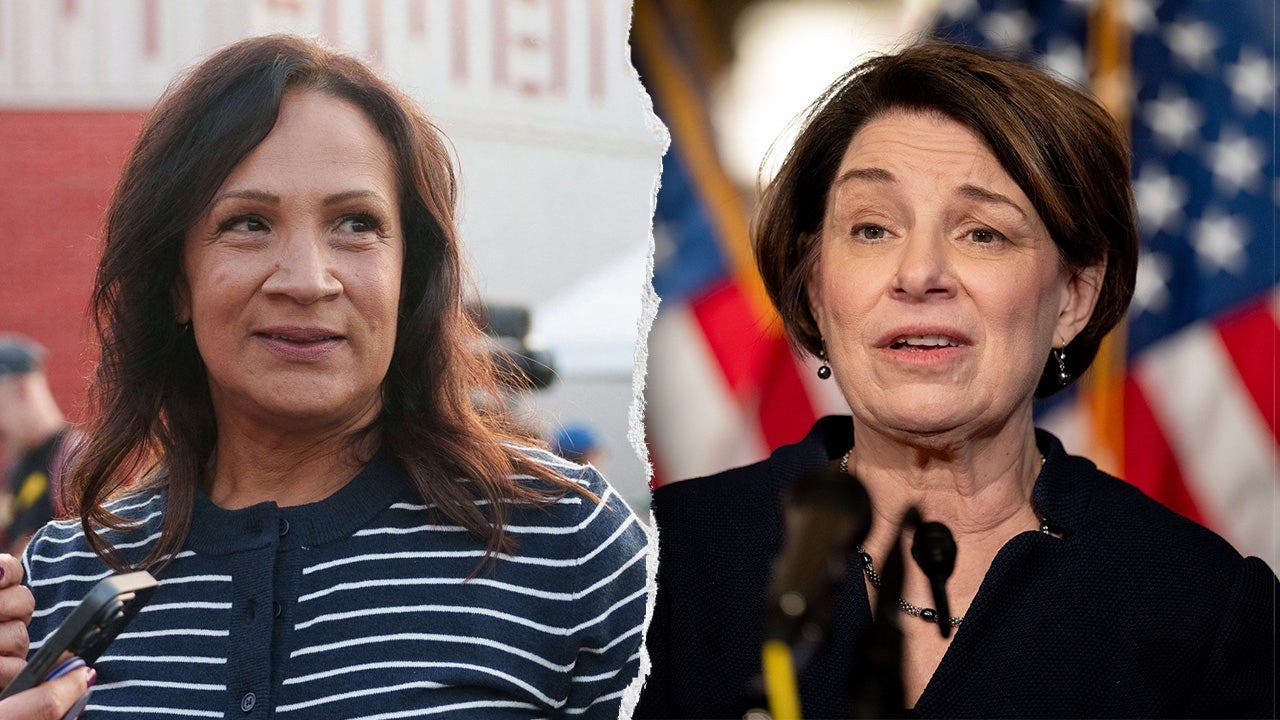
Dover, Delaware, Councilman Andre Boggerty and Rep. Sarah McBride joined Sen. Chris Coons in a virtual town hall hosted by the Kent County Democratic Committee. Coons said the U.S. is no longer the leader of the free world and praised Ukrainian President Volodymyr Zelenskyy for putting his country on the line for freedom. Nick Adams, special presidential envoy for American tourism, exceptionalism, and values, called Coons’ comments “the essence of America last.” Adams said the U.S. has always been the leader of the free world. Conservative critics called Coons “anti-American” and mocked his remarks.
Our Reading
As expected, the matter has reached another stage.
Coons said the U.S. is no longer the leader of the free world.
Zelenskyy is the one putting his country on the line for freedom.
Adams said the U.S. has always been the leader of the free world.
Conservatives mocked Coons and called him anti-American.
Author: Evan Null
Sen. Chris Coons’ Remarks Spark Backlash
Sens. Chris Coons made controversial remarks about the U.S. no longer being the leader of the free world. He pointed to Ukrainian President Volodymyr Zelenskyy as the one putting his country on the line for freedom. Coons’ comments were met with strong reactions from both sides of the political spectrum. Some saw his comments as a sign of declining American influence, while others viewed them as an overstatement of Ukraine’s role in global affairs.
Coons has been a consistent supporter of Ukraine since Russia’s invasion in 2022. He has pushed for military aid, sanctions on Russia, and continued U.S. engagement with Zelenskyy’s government. His remarks were made during a town hall in Delaware, where he spoke alongside Dover, Delaware, Councilman Andre Boggerty and Rep. Sarah McBride.
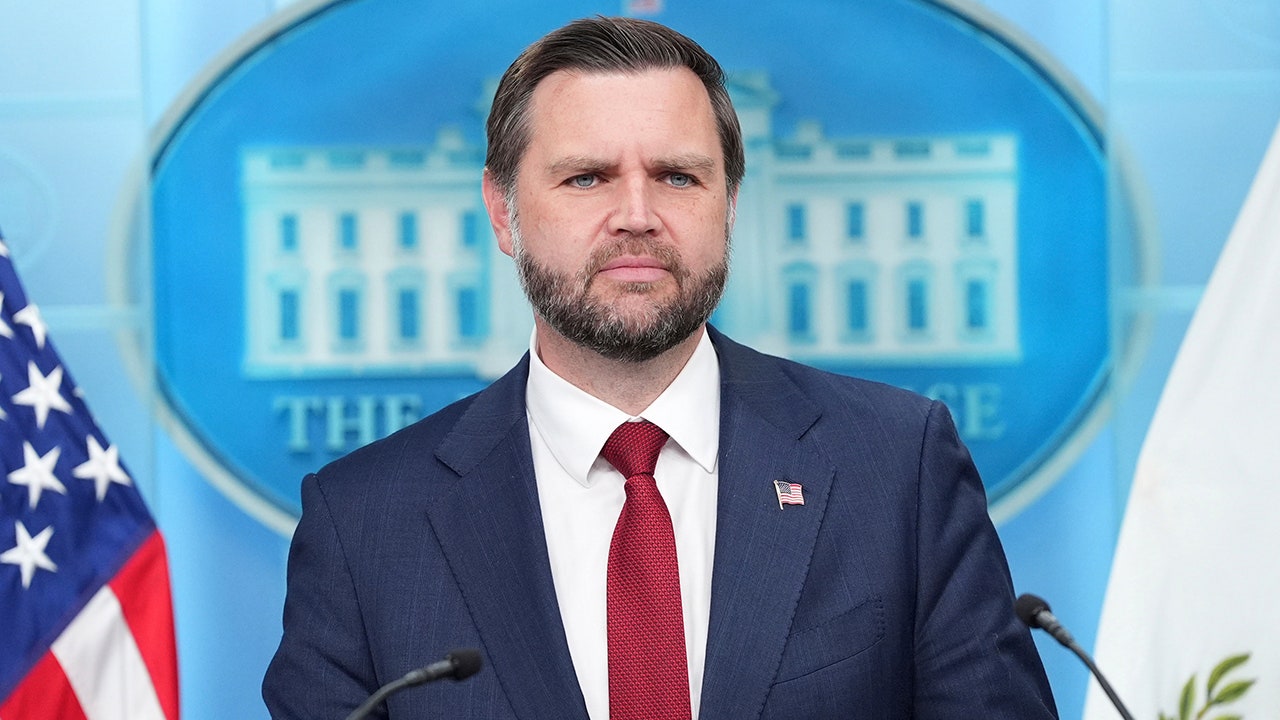
Nick Adams, a special presidential envoy, responded to Coons’ comments, calling them “the essence of America last.” Adams emphasized that the U.S. has always been the leader of the free world, citing its founding principles and constitutional freedoms. He argued that no other nation can match the U.S. in terms of values and influence.
Conservative critics seized on Coons’ remarks, accusing him of being “anti-American.” Some on social media called him a “total coward” and questioned his patriotism. Others mocked the idea that Ukraine is now the leader of the free world, pointing to the country’s lack of recent elections.
The Russia-Ukraine war has been ongoing for more than four years. Kyiv has managed to hold off a larger Russian force despite manpower shortages and reliance on Western weapons. Zelenskyy has met with former President Donald Trump, discussing the need for more air defense assistance. Coons’ office did not immediately respond to press inquiries.
Coons’ Comments Reflect Broader Political Divide
Coons’ remarks come at a time when the political landscape in the U.S. is increasingly polarized. On one side, figures like Coons argue that the U.S. must re-earn its position as a global leader. On the other, leaders like Trump emphasize American exceptionalism and national pride. This divide is evident in the reactions to Coons’ comments, with some seeing them as a necessary critique of U.S. foreign policy, and others viewing them as a betrayal of American values.
The debate over the U.S. role in the world is not new. However, the timing of Coons’ comments—during a period of heightened tensions with Russia and a shift in political rhetoric—has amplified the discussion. The comments also highlight the complex relationship between the U.S. and Ukraine, where support for Kyiv is seen as both a moral and strategic imperative.
Adams’ response to Coons’ remarks underscores the deep-seated belief in American exceptionalism. He framed the U.S. as the only true leader of the free world, a position that has been a cornerstone of American political discourse for decades. His comments reflect a broader narrative that emphasizes the uniqueness of the American experience and the nation’s role in shaping global freedom.
The backlash against Coons also reveals the sensitivity of discussions about American leadership. Any suggestion that the U.S. is not the dominant force in the world is met with strong resistance. This reaction is not just political but also emotional, rooted in a sense of national identity and pride.
As the political landscape continues to evolve, the debate over the U.S. role in the world is likely to remain a central issue. Coons’ comments, while controversial, have brought this discussion to the forefront, highlighting the tensions between different visions of American leadership and global influence.
Reaction to Coons’ Remarks on Social Media
Coons’ comments quickly sparked a wave of reactions on social media. Conservative figures and users took to platforms like X to criticize him, calling him a “total coward” and accusing him of being “anti-American.” Some users questioned the validity of his claims, pointing to the U.S. as the only true leader of the free world. Others mocked the idea that Ukraine could be seen as a leader, citing the country’s lack of recent elections.
The backlash was not limited to individuals. The White House’s Rapid Response account on X also weighed in, calling Coons “a U.S. Senator” who made “truly sick behavior.” The tone of these responses reflected a broader sentiment among conservatives who view any criticism of American leadership as an attack on the nation itself.
At the same time, some users defended Coons, arguing that his comments were a necessary reflection of the current global landscape. They pointed to the challenges the U.S. faces in maintaining its influence and the growing role of other nations in international affairs. These users saw Coons’ remarks as a call for self-reflection rather than a rejection of American values.
The social media reactions highlight the polarizing nature of discussions about American leadership. While some see Coons’ comments as a valid critique, others view them as a dangerous departure from the nation’s founding principles. This divide is not just political but also cultural, reflecting deeper tensions about the role of the U.S. in the world.
As the conversation continues, it remains to be seen how these reactions will shape future discussions about American leadership and global influence. For now, Coons’ remarks have sparked a broader debate that is likely to persist in the political and public spheres.
Context of Coons’ Remarks in the Broader Political Landscape
Coons’ comments come at a time when the U.S. is facing increasing scrutiny over its global role. With the Russia-Ukraine war dragging on and the rise of other global powers, the question of American leadership is more pressing than ever. Coons’ remarks reflect a growing sentiment among some lawmakers that the U.S. must re-evaluate its position in the world and work to regain its influence.
This sentiment is not unique to Coons. Other Democrats have also expressed concerns about the U.S. role in global affairs, particularly in the wake of the Afghanistan withdrawal and the ongoing conflicts in the Middle East. However, Coons’ specific comments about Ukraine and Zelenskyy have made his remarks particularly controversial.
The political climate in the U.S. is also shaping the debate. With the rise of figures like Donald Trump, who emphasizes American exceptionalism and national pride, there is a growing divide over how the U.S. should engage with the world. Coons’ comments, which challenge the notion of American leadership, have placed him at the center of this debate.
At the same time, the U.S. relationship with Ukraine remains a key issue. Coons has been a vocal supporter of continued aid to Kyiv, and his comments reflect a broader belief that the U.S. must do more to support Ukraine in its fight against Russia. This stance has made him a target for critics who see his remarks as a betrayal of American values.
As the political landscape continues to shift, the debate over the U.S. role in the world is likely to remain a central issue. Coons’ comments, while controversial, have brought this discussion to the forefront, highlighting the tensions between different visions of American leadership and global influence.
Implications of Coons’ Remarks for U.S. Foreign Policy
Coons’ remarks have significant implications for U.S. foreign policy, particularly in relation to Ukraine and the broader global order. By suggesting that the U.S. is no longer the leader of the free world, Coons is challenging the traditional narrative of American exceptionalism that has long defined U.S. foreign policy. This shift in perspective could have lasting effects on how the U.S. engages with other nations and how it defines its role in the world.
The comments also raise questions about the future of U.S. support for Ukraine. Coons has been a consistent advocate for continued aid to Kyiv, and his remarks may signal a growing concern about the long-term sustainability of that support. If other lawmakers begin to question the U.S. role in the region, it could lead to a shift in policy that affects the ongoing conflict in Ukraine.
At the same time, Coons’ comments highlight the growing influence of other nations in global affairs. The fact that he is praising Zelenskyy as a leader of the free world reflects a broader recognition of Ukraine’s role in the conflict. This could lead to a re-evaluation of how the U.S. approaches its alliances and partnerships in the region.
The debate over American leadership is not just about the U.S. itself but also about how other nations view the country. Coons’ remarks may encourage other countries to re-evaluate their own relationships with the U.S. and consider alternative models of global leadership. This could lead to a more multipolar world, where the U.S. is no longer the sole arbiter of global affairs.
As the political landscape continues to evolve, the implications of Coons’ remarks will likely shape future discussions about U.S. foreign policy. Whether his comments are seen as a necessary critique or a dangerous departure from American values will depend on how the debate unfolds in the coming months and years.