—
Source: Fox News
Summary
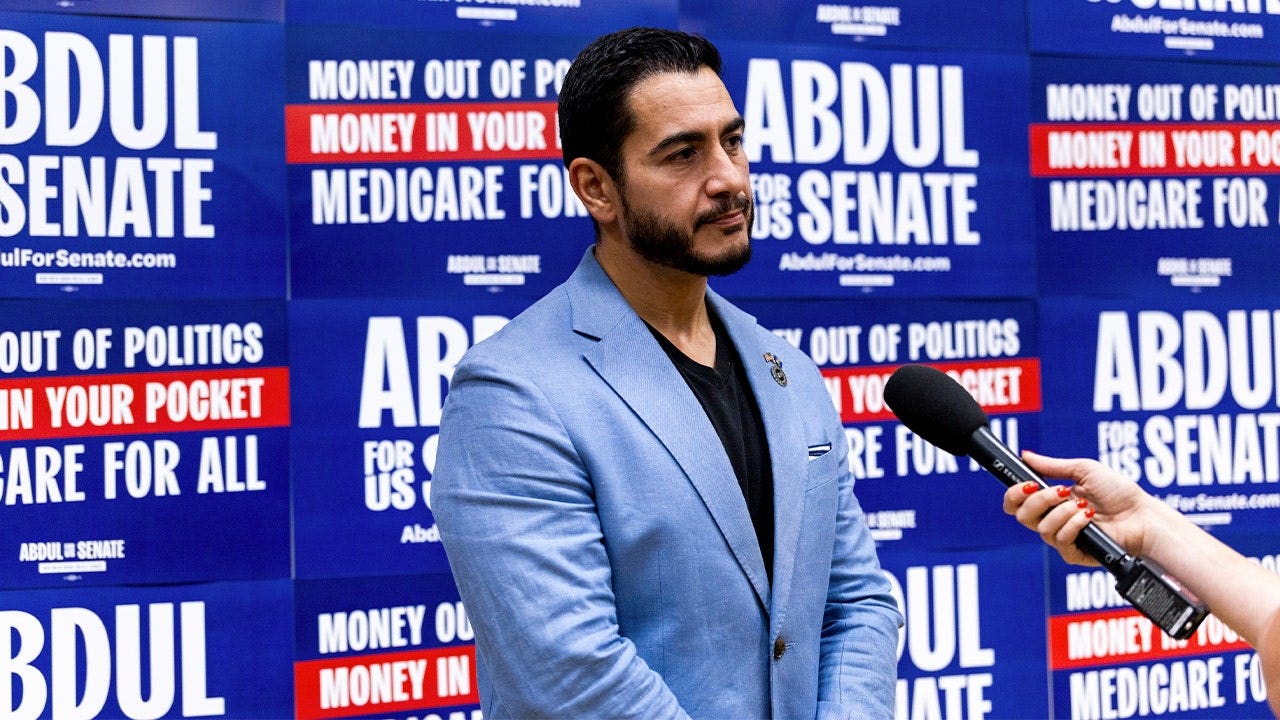
Conservatives warn that if Michigan Democratic Senate nominee Abdul El-Sayed wins, he could gain access to classified information without a formal security clearance. Experts express concerns about his associations with individuals linked to terrorist groups and radical ideologies. El-Sayed has been criticized for appearing with figures who praised Hamas and Hezbollah, and for his past ties to Hasan Piker, who made controversial remarks about 9/11. His campaign has defended him, saying he is focused on protecting Michigan families. Critics argue that senators, unlike other officials, are not required to undergo security clearances, raising national security concerns.
Our Reading
As expected, the matter has reached another stage.
Conservatives repeat the same warnings about El-Sayed.
He appears with people who have praised terrorists.
He is linked to a streamer who said America deserved 9/11.
El-Sayed’s sister posts something about a Hamas attack.
Author: Evan Null
Concerns About Security Clearance
Conservatives are worried that Abdul El-Sayed, a Democratic Senate candidate in Michigan, could gain access to classified information without a formal security clearance. Unlike other government officials, senators are not required to go through the same process. This has raised concerns among some national security experts.
El-Sayed has been linked to individuals who have praised terrorist organizations. He has also appeared with people who have made controversial statements about U.S. security. His campaign says he is focused on helping Michigan families, but critics argue that his past associations are problematic.
Some of the concerns come from his relationship with Hasan Piker, a streamer who once said that America “deserved 9/11.” El-Sayed has distanced himself from Piker, but not completely. His campaign says he is not responsible for what others say.
El-Sayed’s half-sister has also been criticized for posting something about the Hamas attack on October 7. He has said that he and his sister disagree on foreign policy, but his campaign says no one speaks for him except himself.
Some critics say that the issue goes beyond El-Sayed. They point to other Democratic candidates who are affiliated with groups like the Democratic Socialists of America. They say these groups are connected and funded by certain individuals.
Associations and Past Statements
El-Sayed has been associated with people who have expressed support for terrorist organizations. At a campaign rally, he was introduced by Amir Makled, who praised members of Hezbollah. Later, he shared a stage with Sheikh Fadhel al-Sahlani, who praised Hamas and made remarks about the Holocaust.
He also accepted an endorsement from Osama Siblani, who has praised both Hamas and Hezbollah. These associations have raised concerns about his judgment and potential influence. Critics argue that his past relationships with such figures could compromise national security.
El-Sayed has also been linked to Hasan Piker, a streamer who made controversial remarks about 9/11. Piker said that America “deserved 9/11,” which El-Sayed called “dumb” and distanced himself from. However, he has not fully disavowed Piker, which critics say is a problem.
His campaign has defended him, saying he is focused on protecting Michigan families. They argue that he is not responsible for what others say or do. But critics say that his associations and past statements are still a cause for concern.
Some have suggested that the issue is not just about El-Sayed. They point to other candidates who are affiliated with groups that have ties to radical ideologies. They say that these groups are connected and that the problem could be much bigger than one person.
Criticism of El-Sayed’s Campaign
El-Sayed’s campaign has faced criticism for its messaging and the people it associates with. His campaign spokesperson, Cole Wozniak, has defended him, saying he is focused on keeping Americans safe and lowering costs for Michigan families. They argue that his opponent, Mike Rogers, has a history of working with foreign companies that pose a threat to national security.
Rogers, who is running against El-Sayed, has been criticized for his work in the telecommunications industry with companies that had business dealings involving Huawei. While in the House, Rogers was a vocal critic of Huawei. His work with a Saudi-linked company has also drawn criticism over its efforts to transfer nuclear energy technology to the Middle East.
El-Sayed’s campaign has also been criticized for his past statements and relationships. Some have pointed to his appearances at events where he shared the stage with individuals who have made controversial remarks. His campaign says that no one speaks for him except himself.
Critics argue that El-Sayed’s associations and past statements are a cause for concern. They say that his potential access to classified information without a security clearance is a risk to national security. They also point to his past relationships with people who have praised terrorist organizations.
Some have suggested that the issue is not just about El-Sayed. They say that other candidates who are affiliated with groups like the Democratic Socialists of America could also pose a risk. They argue that these groups are connected and that the problem could be much bigger than one person.
Broader Implications and Political Context
The concerns about El-Sayed are part of a larger political debate about the qualifications of candidates and their potential impact on national security. Critics argue that his associations and past statements raise questions about his judgment and suitability for office. They say that his potential access to classified information without a security clearance is a risk to the country.
Some have suggested that the issue is not limited to El-Sayed. They point to other candidates who are affiliated with groups like the Democratic Socialists of America. These groups are seen as having radical ideologies and connections to foreign interests. Critics say that the problem could be much bigger than one person.
The debate also highlights the role of money in politics. Some of the groups that support El-Sayed are funded by individuals like Neville Singham, who has been linked to pro-Beijing messaging. Critics argue that this could influence the political landscape and the decisions made by elected officials.
El-Sayed’s campaign has defended him, saying that he is focused on helping Michigan families. They argue that he is not responsible for the actions or statements of others. However, critics say that his associations and past statements are still a cause for concern.
The situation reflects the broader political climate, where concerns about national security and foreign influence are often used to challenge candidates. It also highlights the importance of vetting candidates and understanding their backgrounds and associations.
Impact on National Security and Public Perception
The concerns about El-Sayed’s potential access to classified information have raised questions about the security of sensitive data. Critics argue that senators, unlike other officials, are not required to go through the same security clearance process. This has led to fears that someone with questionable associations could gain access to important information.
El-Sayed’s campaign has tried to address these concerns, saying that he is focused on protecting Michigan families. They argue that his opponent, Mike Rogers, has a history of working with foreign companies that pose a threat to national security. However, critics say that the issue is not just about El-Sayed, but about the broader political landscape.
Some have pointed to the role of money in politics, suggesting that certain groups and individuals are funding candidates who may not have the best interests of the country in mind. They argue that this could influence the decisions made by elected officials and affect national security.
El-Sayed’s campaign has also faced criticism for his past statements and relationships. His association with Hasan Piker, a streamer who made controversial remarks about 9/11, has been a point of contention. His campaign says he is not responsible for what others say, but critics argue that his past associations are still a concern.
The debate reflects the broader political climate, where concerns about national security and foreign influence are often used to challenge candidates. It also highlights the importance of vetting candidates and understanding their backgrounds and associations.