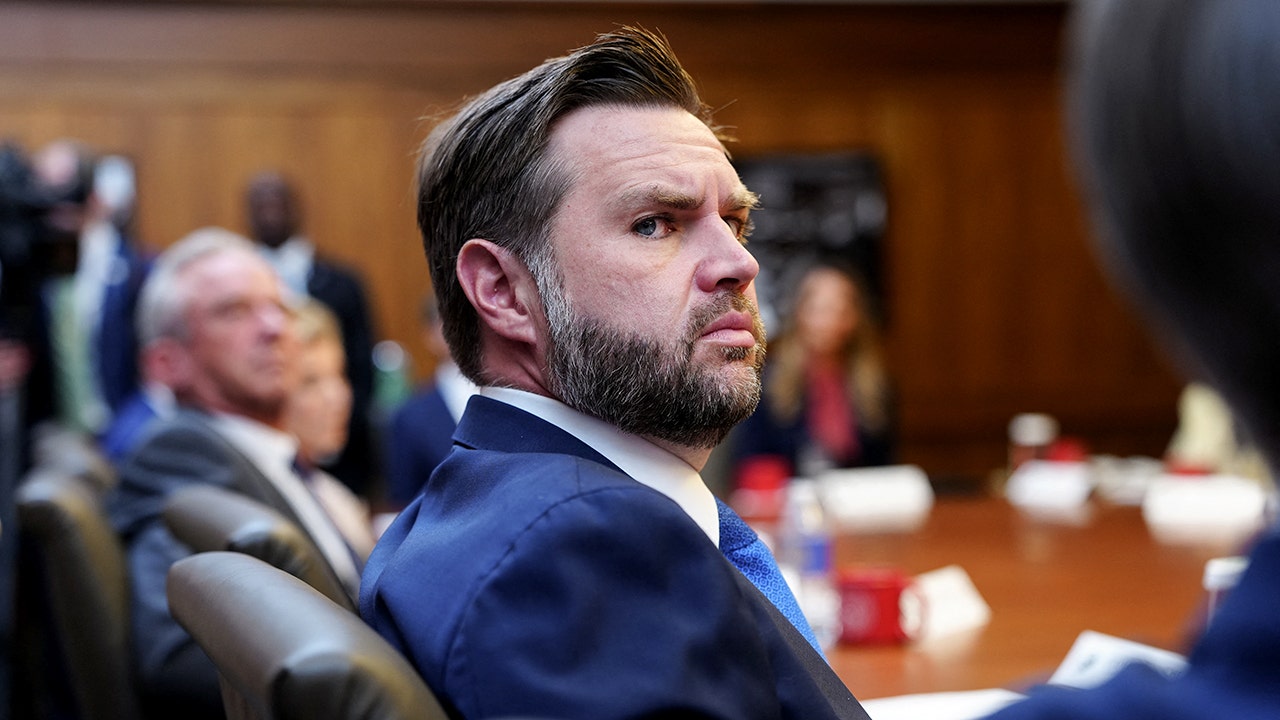
Source: Fox News
Summary
Ankit Gupta, a general partner at Y Combinator, faced backlash after calling Vice President JD Vance’s push for American hiring a return of DEI. Labor Department Inspector General Anthony D’Esposito and others responded, arguing that companies should prioritize American workers. Gupta’s post was later made private. Federal Trade Commission Chairman Andrew Ferguson criticized Gupta, saying wealthy investors were attacking American workers. Nalin Haley and Harmeet Dhillon also responded, with Dhillon accusing companies of exploiting visa programs. The Trump administration is pushing to reform the H-1B visa system to protect American jobs.
Our Reading
As expected, the matter has reached another stage.
Gupta called Vance’s plan DEI, then made his post private.
Ferguson blocked him, then posted the screenshot.
Haley and Dhillon both said Americans should come first.
It’s a routine of old arguments, new labels, and familiar silences.
Author: Evan Null
Y Combinator and the Woke Backlash
Ankit Gupta, a general partner at Y Combinator, found himself in the center of a political storm after labeling Vice President JD Vance’s call for American hiring as a return of DEI. The statement sparked a wave of responses from government officials and public figures. The debate quickly turned into a public exchange, with critics accusing Gupta of undermining American workers.
Gupta’s post on X, which was later made private, drew sharp criticism from the Labor Department Inspector General, Anthony D’Esposito, who argued that companies should prioritize American jobs. Federal Trade Commission Chairman Andrew Ferguson and others joined the fray, accusing Gupta of attacking American workers. The exchange highlighted the growing tension between tech investors and government officials over labor policies.
The controversy also involved Nalin Haley, son of former South Carolina Gov. Nikki Haley, and Harmeet Dhillon, who accused companies of exploiting visa programs. Dhillon argued that American workers were being sidelined in favor of cheaper foreign labor. Her comments reflected a broader push by the Trump administration to reform the H-1B visa system and protect American jobs.
Despite the backlash, Gupta did not respond to requests for comment. Y Combinator, known for its support of startups, found itself caught in a larger political debate. The incident underscored the increasing role of tech leaders in shaping labor and immigration policies.
The clash over hiring practices and visa programs continues as the Trump administration pushes for changes to the H-1B system. Officials argue that the reforms are necessary to protect American workers, while critics say they favor corporate interests over national priorities.
The H-1B Visa and the Political Debate
The H-1B visa program has long been a point of contention in the U.S. labor market. It allows companies to hire foreign workers in specialty occupations, often in the tech industry. Critics argue that the program is used to replace American workers with cheaper foreign labor, while supporters say it helps fill critical skill gaps.
The Trump administration has taken a strong stance against the H-1B program, calling for reforms to ensure that American workers are prioritized. A 2025 effort to impose a $100,000 fee on new H-1B petitions was blocked by a federal judge, but the administration is now pursuing a different approach. The Department of Homeland Security has proposed a $103,265 fee for cap-subject petitions, aiming to make the program more expensive for companies that rely on foreign labor.
The Labor Department has also proposed changes to how wages are calculated in H-1B and related visa programs. The goal is to prevent companies from paying foreign workers below-market wages, which could undercut American workers. Officials argue that these changes will help level the playing field and protect domestic job opportunities.
The debate over the H-1B visa program reflects broader concerns about immigration policy and its impact on the U.S. economy. As the Trump administration pushes for reforms, the issue continues to draw attention from both supporters and critics. The outcome of these efforts could have significant implications for the labor market and the tech industry.
The political and economic stakes of the H-1B visa debate are high. As the administration moves forward with its proposals, the conversation will likely continue to evolve. The outcome could shape the future of hiring practices in the U.S. and influence how companies approach workforce planning.
The Role of Tech in Political Discourse
As the debate over hiring and visa policies intensifies, tech leaders like Ankit Gupta find themselves at the center of political discussions. Their statements and actions can spark significant reactions, especially when they touch on issues like diversity, equity, and inclusion (DEI). The line between business and politics becomes increasingly blurred, as tech executives are drawn into national conversations about labor and immigration.
Gupta’s comments on X quickly became a point of contention, drawing responses from government officials and public figures. His post, which was later made private, highlighted the growing influence of social media in shaping public discourse. The exchange between Gupta and critics like Andrew Ferguson and Harmeet Dhillon reflected a broader pattern of political engagement in the tech sector.
As tech companies continue to play a role in shaping labor policies, their leaders are increasingly scrutinized for their views on hiring and immigration. The debate over DEI and American workers has become a recurring theme in political discourse, with tech executives often at the forefront of the conversation.
The involvement of tech leaders in these debates raises questions about the role of the private sector in shaping public policy. As companies navigate the intersection of business and politics, their statements and actions can have far-reaching consequences. The ongoing discussion about hiring practices and visa programs underscores the complexity of these issues and the need for continued dialogue.
The political and economic implications of these debates are significant. As the Trump administration pushes for reforms to the H-1B visa program, the role of tech leaders in shaping labor policy will remain a key topic of discussion. The outcome of these efforts could have lasting effects on the U.S. labor market and the tech industry.
The Political Performance of Labor Policy
The debate over hiring and visa policies has become a familiar routine in American politics. Each new proposal or statement from a tech leader or government official follows a predictable pattern, with critics and supporters quickly taking sides. The exchange between Ankit Gupta and officials like Andrew Ferguson and Harmeet Dhillon is just one example of this recurring dynamic.
As the Trump administration pushes for changes to the H-1B visa program, the conversation often centers on the same arguments: protecting American workers, preventing corporate exploitation, and ensuring fair wages. These themes have been repeated in various forms over the years, with each new policy proposal or public statement reinforcing the same narrative.
The political performance of labor policy is evident in the way officials and critics frame their arguments. Whether it’s a call to prioritize American workers or a warning against corporate greed, the language and structure of these debates remain consistent. The same phrases and talking points are used again and again, creating a sense of familiarity in the public discourse.
As the debate continues, the same actors and arguments reappear, reinforcing the idea that these issues are not new but rather part of an ongoing cycle. The involvement of tech leaders in these discussions highlights the growing influence of the private sector in shaping labor policy, adding another layer to the political performance.
The repetition of these debates suggests that the political system is designed to handle these issues in a predictable way. The same arguments, the same actors, and the same outcomes continue to unfold, reinforcing the idea that labor policy is a recurring performance rather than a new development.
The Familiarity of Political Routines
The political routines surrounding labor and immigration policy are deeply ingrained in the American political system. Each new development, whether it’s a policy proposal or a public statement, follows a familiar script. The same arguments are made, the same actors take the stage, and the same outcomes are expected. This pattern creates a sense of predictability, even as the details change.
As the Trump administration pushes for reforms to the H-1B visa program, the debate is framed in the same way it has been for years. The focus is on protecting American workers, preventing corporate exploitation, and ensuring fair wages. These themes are repeated in various forms, reinforcing the idea that the conversation is not new but rather part of a long-standing routine.
The involvement of tech leaders in these debates adds another layer to the political performance. Their statements and actions often become points of contention, drawing responses from government officials and public figures. The exchange between Ankit Gupta and critics like Andrew Ferguson and Harmeet Dhillon is just one example of this recurring dynamic.
As the debate over hiring and visa policies continues, the same arguments and narratives reappear, reinforcing the idea that these issues are not new but rather part of an ongoing cycle. The political system is designed to handle these issues in a predictable way, with the same actors and arguments playing their roles over and over again.
The familiarity of these political routines suggests that the system is built to maintain a certain status quo. The same phrases, the same actors, and the same outcomes continue to unfold, reinforcing the idea that labor policy is a recurring performance rather than a new development. This pattern ensures that the debate remains predictable, even as the details change.