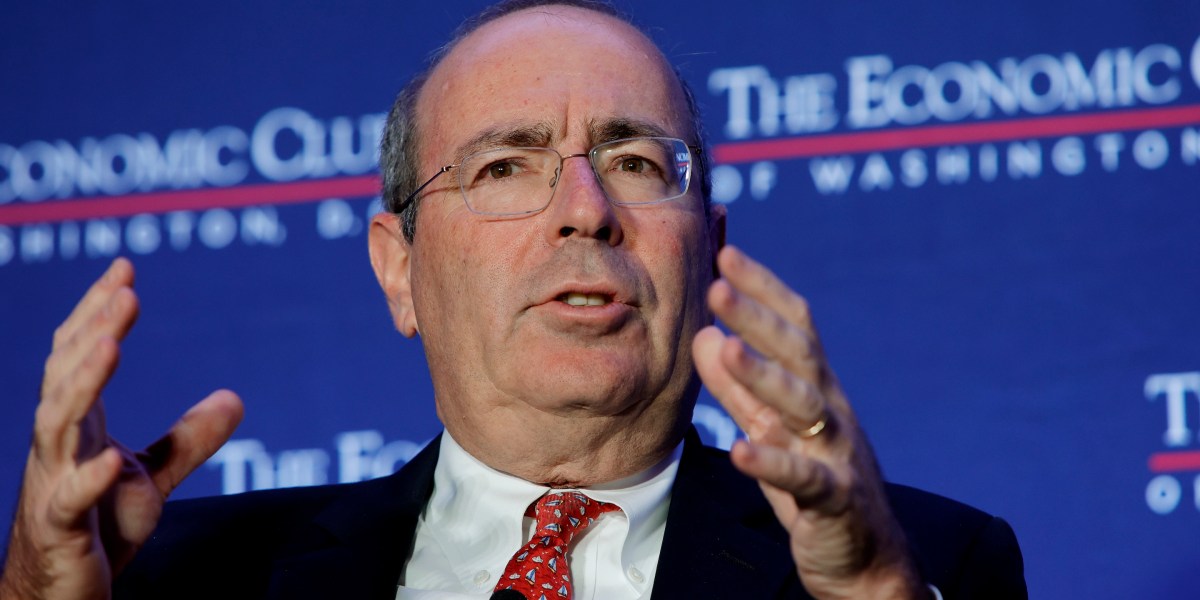
Source: Fortune.com
Summary
The Social Security cost-of-living adjustment (COLA) for 2027 is expected to be the largest since 2023, with estimates ranging from 3.5% to 3.6%. This follows a 2.8% increase in 2026. The adjustment is based on the Consumer Price Index for Urban Wage Earners and Clerical Workers. Higher inflation, driven by rising oil prices and supply chain issues, is expected to push the increase. Retirees in states like New Jersey will see the highest monthly benefits.
Our Reading
The numbers tell one story.
COLA estimates hover around 3.5% for 2027, up from 2.8% in 2026.
Oil prices are up due to Middle East tensions and Ukraine’s attacks on Russian refineries.
AI demand is creating supply issues for tech components, pushing up costs.
Older generations hold most of the wealth, keeping spending strong despite inflation.
Author: Evan Null
Understanding the COLA Increase
The Social Security cost-of-living adjustment (COLA) is a key factor in ensuring that retirees can keep up with rising expenses. This year, the COLA is expected to be the largest since 2023, with estimates ranging from 3.5% to 3.6%. This follows a 2.8% increase in 2026, which was lower than the 8.7% jump in 2023. The adjustment is based on the Consumer Price Index for Urban Wage Earners and Clerical Workers, which tracks inflation for a specific group of workers.
Factors Driving Inflation
Rising oil prices are a major driver of inflation this year. The conflict in the Middle East, particularly involving Iran and the U.S., has led to increased fuel costs. Additionally, Ukraine’s attacks on Russian refineries have further disrupted the energy market. These factors have pushed the price of diesel in the U.S. above $6.50 per gallon, affecting everything from transportation to manufacturing.
Impact on Consumer Prices
The AI boom has also contributed to inflation by creating a supply crunch for key technology components. Companies like Apple have raised prices as costs climb. Meanwhile, President Trump’s trade policies, including new tariffs and increased levies on Canada, have added to the economic pressures. These factors combine to create a challenging environment for consumers and businesses alike.
State-by-State Variations
While all Social Security recipients receive the same percentage increase, the actual amount varies by state. Retirees in New Jersey, for example, receive the highest median Social Security check at $2,256 per month. Other states with high benefits include Connecticut, Delaware, and New Hampshire. These variations reflect differences in local cost of living and economic conditions.
The Role of Baby Boomers in the Economy
Older generations, particularly baby boomers, play a significant role in the U.S. economy. With a net worth of nearly $90 trillion, they control a large portion of household wealth. This wealth supports consumer spending, even in the face of high inflation and interest rates. Higher interest rates also benefit retirees by increasing returns on fixed-income investments like Treasury bonds.