—
Source: Fox News
Summary
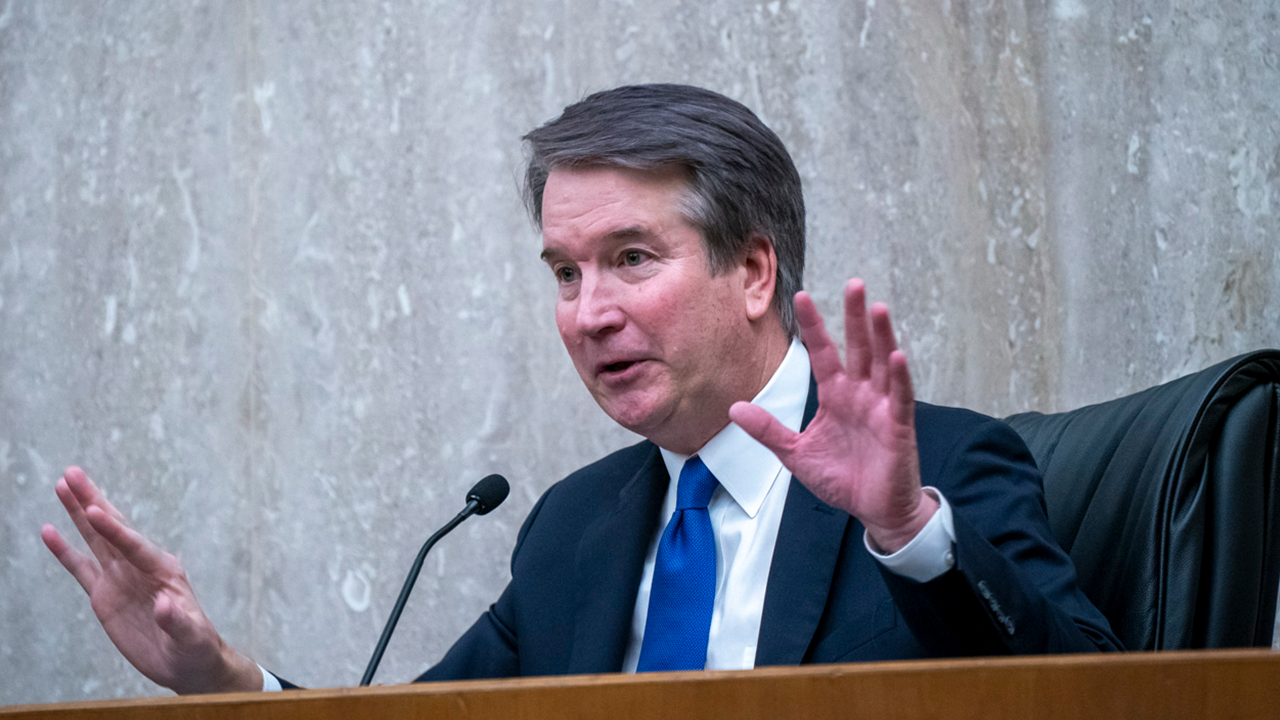
Brett Kavanaugh, a Supreme Court justice, said the U.S. Postal Service might have the legal authority to implement Trump’s ballot-mail rules in the future, though the court ruled against applying them before the 2026 midterms. The decision blocked the rule for the upcoming election, but the case could return to the Supreme Court. Legal experts said the rule might still take effect before the 2028 election. The rule requires specific ballot-envelope designs and voter information sharing. A coalition of Democratic state attorneys general sued, claiming the rule violates the Elections Clause. The court’s decision was brief, with some justices expressing concerns about the lack of explanation.
Our Reading
As expected, the matter has reached another stage.
Kavanaugh says the rule might be legal, but not now.
The court says no for 2026, but maybe later.
Experts say the rule could still be used in 2028.
Timing and legal battles will decide its fate.
Author: Evan Null
Trump’s Ballot-Mail Rule and the Court’s Delayed Decision
The Supreme Court denied the Trump administration’s request to lift a lower court injunction blocking the U.S. Postal Service’s rule on mail-in ballots. The decision came as the 2026 midterms approached, with ballots already sent. The rule, which requires specific envelope designs and voter information sharing, was seen as a way to enforce stricter mail-in voting procedures. The court’s decision left the rule blocked for now, but legal challenges could bring it back.
Brett Kavanaugh, in his concurring opinion, said the rule might be legal, but not yet. He noted that the Postal Service has the authority to regulate mail, but the timing was off for the 2026 election. The majority of the court ruled that the government was unlikely to succeed in its challenge, maintaining the status quo. However, the decision was brief, with no detailed explanation, leaving some legal experts puzzled.
Justice Samuel Alito and Clarence Thomas dissented, arguing the government had made a strong case for a stay. They questioned whether the rule could survive legal challenges and take effect before 2028. Legal analysts said the rule might still be implemented in the future, especially if the Supreme Court revisits the case. The decision highlights the ongoing legal battles over mail-in voting and election procedures.
Some experts, like Jason Snead, said the rule could still be used in 2028, depending on how the litigation unfolds. Others, like Iowa Solicitor General Eric Wessan, said the timing was a major factor in the court’s decision. The rule was delayed by earlier litigation and an injunction in Massachusetts, which made it impossible to implement before the 2026 election. However, the case remains open, and future rulings could change the outcome.
The rule itself requires federal ballot-mail envelopes to include an election-mail logo, be scannable, and carry a unique barcode. States would also have to upload voter information to a Postal Service portal. Critics argue this violates the Elections Clause, while supporters say it improves voter integrity. The debate over mail-in voting continues, with legal and political forces shaping the outcome.