Source: Fortune.com
Summary
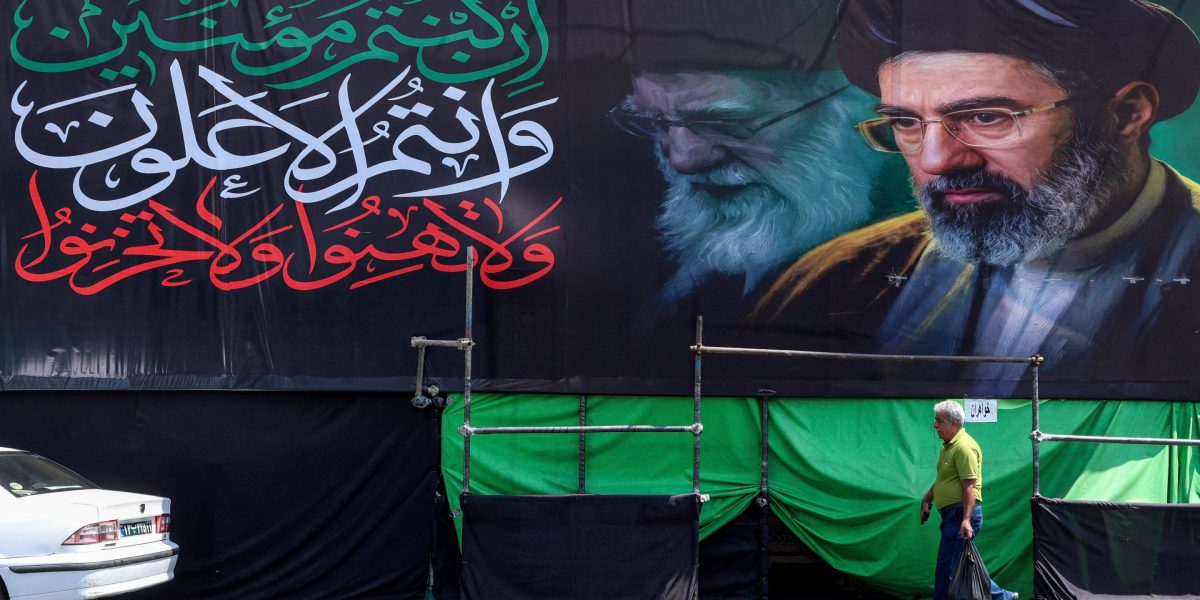
Iran’s Supreme Leader Ayatollah Mojtaba Khamenei issued a statement urging officials to avoid actions that harm social cohesion and weaken national motivation, according to Reuters. Economic hardship, including long gas lines and inflation, has led to some protests. Khamenei called for addressing economic challenges like inflation and unemployment. Iranian President Masoud Pezeshkian acknowledged the country’s economic woes and criticized claims that sanctions have no effect. The U.S. is intensifying economic pressure on Iran, including efforts to block its access to international financing.
Our Reading
The numbers tell one story.
Khamenei’s silence and public statements show concern over unrest.
Pezeshkian admits economic problems but frames them as external pressure.
U.S. sanctions and naval presence are tightening the noose on Iran’s economy.
The regime’s resilience is being tested by its own people and external forces.
Author: Evan Null
Iran’s Economic Crisis and Political Response
Iran’s economic situation has deteriorated significantly, with the rial crashing to 2.2 million per U.S. dollar and inflation soaring above 80%. The country is facing severe shortages, including gasoline, with only two months of supplies left. These economic challenges have led to public unrest, though not on the scale seen earlier in the year. The regime, led by Supreme Leader Ayatollah Mojtaba Khamenei, is attempting to maintain control through strict measures and public statements.
Leadership and Public Statements
Khamenei has issued a written statement urging officials to avoid actions that harm social cohesion and weaken national motivation. He has also called on the government to address economic challenges such as inflation, unemployment, and price management. Iranian President Masoud Pezeshkian has similarly acknowledged the country’s economic woes, stating that trade has declined by 25% to 35% and that sanctions have had a clear impact. His comments reflect a growing recognition of the severity of the crisis.
U.S. Economic Pressure and Sanctions
The U.S. is intensifying its economic pressure on Iran, including efforts to block the regime’s access to international financing networks. Treasury Secretary Scott Bessent has announced an “economic D-Day” to shut down avenues that help Iran evade sanctions. This pressure is aimed at limiting Iran’s ability to earn money from oil exports and obtain vital imports. Senior Iranian sources have indicated that the U.S. blockade and sanctions are becoming increasingly difficult to withstand.
Impact on Daily Life and Protests
The economic crisis has had a direct impact on daily life in Iran, with long lines at gas stations and rising prices for food staples. While the scale of protests has not reached the levels seen in January, the situation remains tense. The regime has responded with a combination of public statements and internal directives to maintain stability. However, the continued economic hardship is testing the resilience of both the government and the people.
U.S. Military and Strategic Considerations
The U.S. is maintaining a strong military presence in the region to enforce the naval blockade and ensure the safe passage of oil tankers through the Strait of Hormuz. Energy Secretary Chris Wright has stated that the U.S. is improving its ability to defend against Iranian attacks and has received support from regional allies. However, the long-term sustainability of this mission remains a concern, as Iran only needs to conduct limited strikes to disrupt shipping traffic.