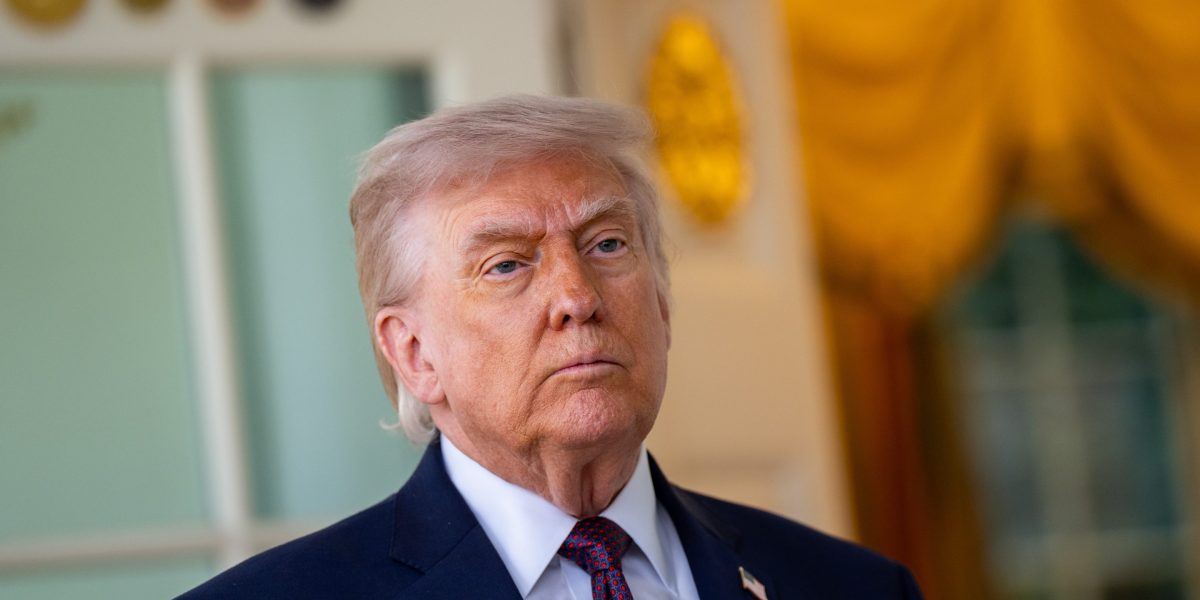
Source: Fortune
Summary
A recent study by Ohio State University and Cornell University found that the Trump administration’s tariffs have had a widespread impact on the US economy, affecting all 50 states. The study analyzed the production, shipping, and consumption patterns of goods in each state and found that even states that don’t rely heavily on international trade have felt the effects of tariffs. The tariffs have led to higher costs for businesses and consumers, with small businesses and agricultural states being particularly affected. The study’s authors warn that the consequences of tariffs could lead to changes in regional economies nationwide.
Our Reading
The numbers tell one story. The Trump administration’s tariffs have revealed 50 different trade vulnerabilities across the country, each dictated by a state’s own production and consumption patterns. The tariffs have led to “immediate shocks” for net importers, while states that rely on exporting agricultural products internationally have also felt the effects of retaliatory tariffs. Even states that don’t rely heavily on international trade have felt the effects of tariffs, with consumers paying higher prices for goods. The study’s authors warn that the consequences of tariffs could lead to changes in regional economies nationwide.
The announcement sounds familiar. Wendong Zhang, an economist at Cornell, said “The United States doesn’t have one agricultural trade exposure–it has 50 different ones.” The study found that Canadian crackdowns on US alcohol imports had consequences for Kentucky and Tennessee, while the US-Canada trade war has also dealt a blow to exporters in the Northeast. With prices for items like fertilizer expected to rise even higher due to the war in Iran, all American consumers are likely to feel the sting of more expensive food.
One original observation: The tariffs have created a ripple effect that has ultimately led to higher prices for consumers, regardless of where they live.
Author: Evan Null