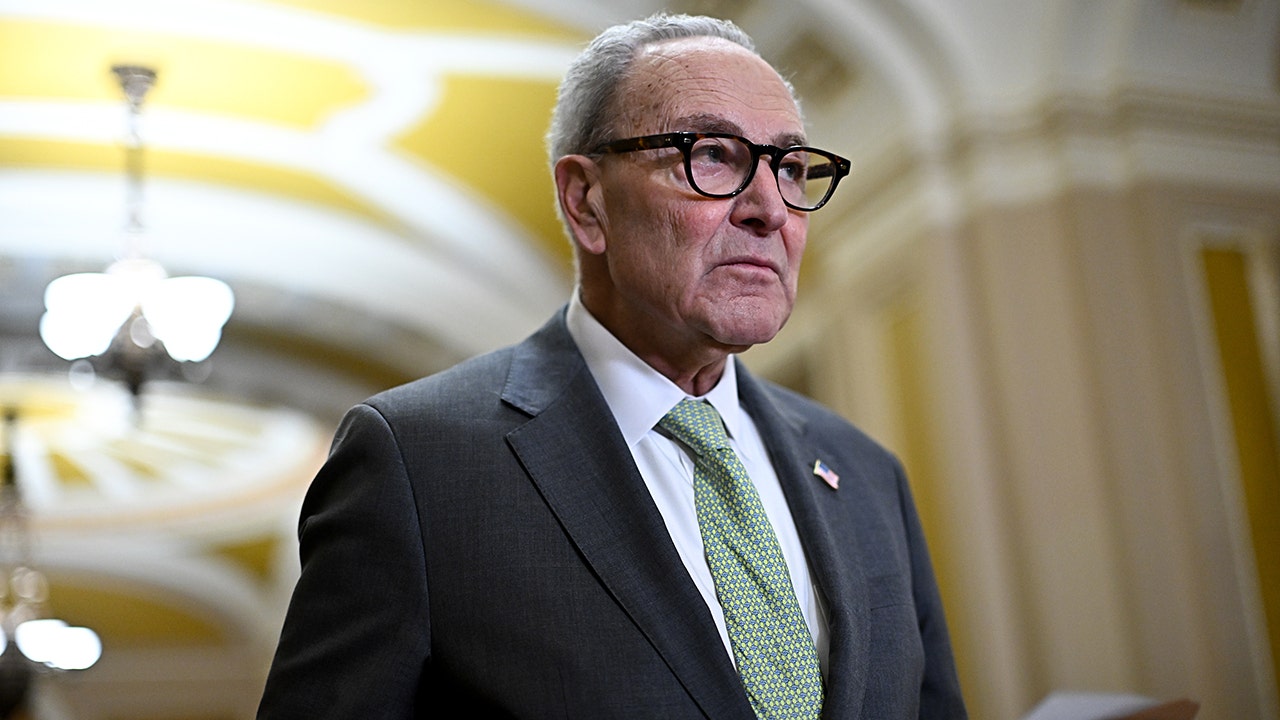
Source: The New York Times
Summary
A new study from the New York Federal Reserve links rising retail prices to President Donald Trump’s tariff policies. According to the research, tariffs on imported goods increased costs for consumers and businesses. The report highlights how trade policies impact inflation. It suggests that tariffs have contributed to higher prices in the U.S. economy. The findings add to the ongoing debate over the economic effects of trade restrictions.
Our Reading
The trend returns with a new name.
Tariffs once seen as a tool for protectionism now face scrutiny as inflation rises.
Retail prices reflect the long-term consequences of trade policy.
The data underscores the complexity of economic decisions.
The cycle of policy and price remains unchanged.
Author: Evan Null
Context of the Tariff Agenda
President Donald Trump’s tariff agenda, initiated in 2018, aimed to protect American industries by imposing higher taxes on imported goods. These tariffs were primarily targeted at China, with the goal of reducing the trade deficit and encouraging domestic manufacturing. However, the effects of these policies have been far-reaching and complex, influencing not only international trade but also the domestic economy.
Economic Impact and Consumer Prices
The New York Federal Reserve’s research highlights how the tariffs have led to higher retail prices. As import costs increased, businesses passed these expenses on to consumers. This has contributed to a broader trend of inflation, affecting everything from electronics to clothing. The report suggests that the impact of these tariffs is not limited to specific industries but is felt across the entire economy.
Debate Over Trade Policy
The findings from the New York Federal Reserve add to the ongoing debate over the effectiveness of trade policies. Critics argue that the tariffs have hurt American consumers and businesses by increasing costs and reducing competition. Supporters, on the other hand, maintain that the policies have helped protect domestic industries and reduce reliance on foreign manufacturing. This debate continues to shape economic discussions at both the national and international levels.
Long-Term Consequences
The long-term consequences of the tariff agenda are still being evaluated. While some argue that the policies have had a positive impact on certain sectors, others warn that the overall economic costs may outweigh the benefits. The New York Federal Reserve’s report is one of many studies examining the effects of trade policies on inflation and economic stability. As the data continues to emerge, it will be important to assess how these policies shape the future of the U.S. economy.
Future Implications
The implications of the New York Federal Reserve’s research extend beyond the current administration. As new policies are proposed and implemented, the lessons learned from the Trump-era tariffs will likely influence future trade decisions. The report serves as a reminder of the complex relationship between trade policy, inflation, and consumer prices. It also highlights the need for careful consideration when implementing economic strategies that affect the broader population.