Source: Fortune
Summary
Some US companies that initially moved away from China due to tariffs are now reinvesting in Chinese suppliers. Alliance Consumer Group, a Texas-based flashlight company, is reconsidering where it manufactures its flashlights after tariffs on Chinese goods fell to similar levels as other areas of southeast Asia. Economist Mary Lovely notes that while there’s no quantitative data, a trend of US companies returning to Chinese suppliers “does make sense” given the reduced tariff differential. Despite Trump’s tariffs, the US is still reliant on China for key products, and economists warn that decoupling would be costly.
Our Reading
The numbers tell one story.
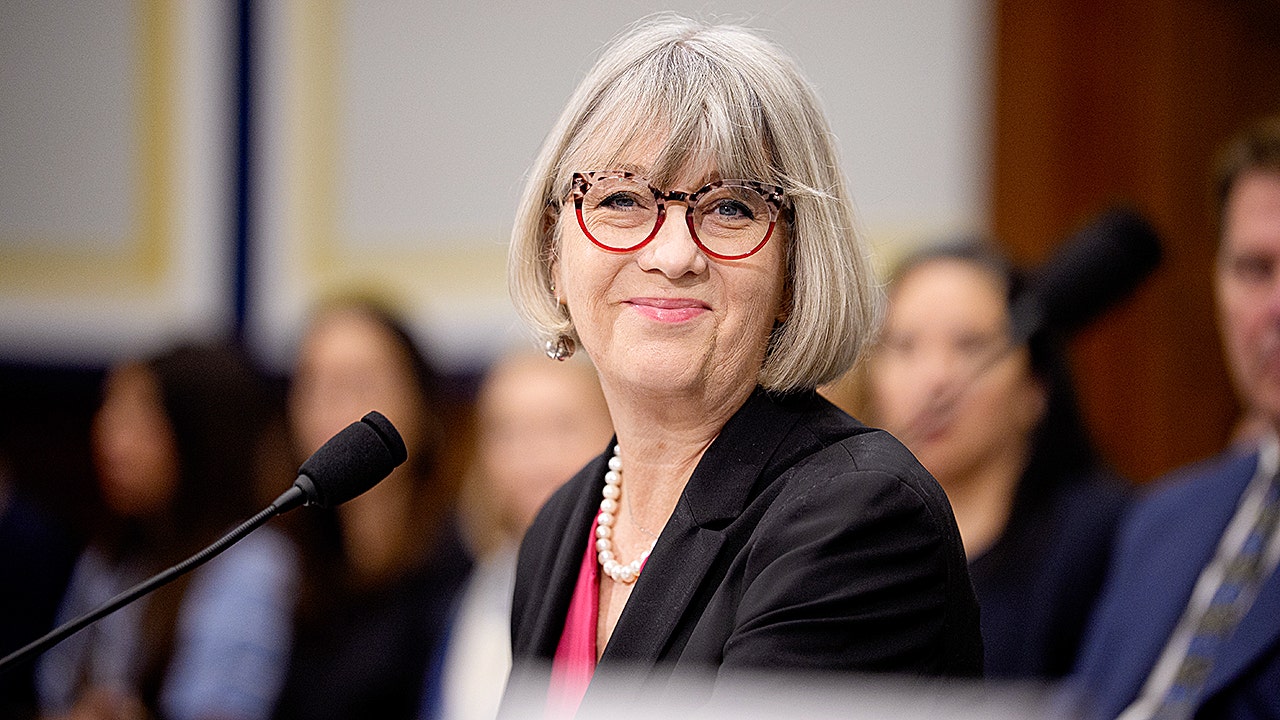
Alliance Consumer Group’s decision to reconsider China as a manufacturing hub after tariffs fell is just one example of how Trump’s reshoring efforts may be backfiring. The US still has levies on Chinese goods, but the magnitude has fallen, making China a more attractive option for US companies. Economist Mary Lovely notes that the US is “tethered to China” when it comes to trade, and that Trump’s tariffs have done little to curb Chinese imports. The US would need to invest $13.7 trillion over 25 years to effectively stop its reliance on China for key goods.
The US is in a tough spot, with some products, including industrial supplies, where it will continue to buy from China. While the Trump administration can carve out exemptions for tariffs, reshoring efforts will also likely require subsidies, which are unlikely given the mounting US debt.
“The story that it is bringing back manufacturing is really not the story,” Lovely said. “Manufacturing is not coming back.”
Author: Evan Null