Summary
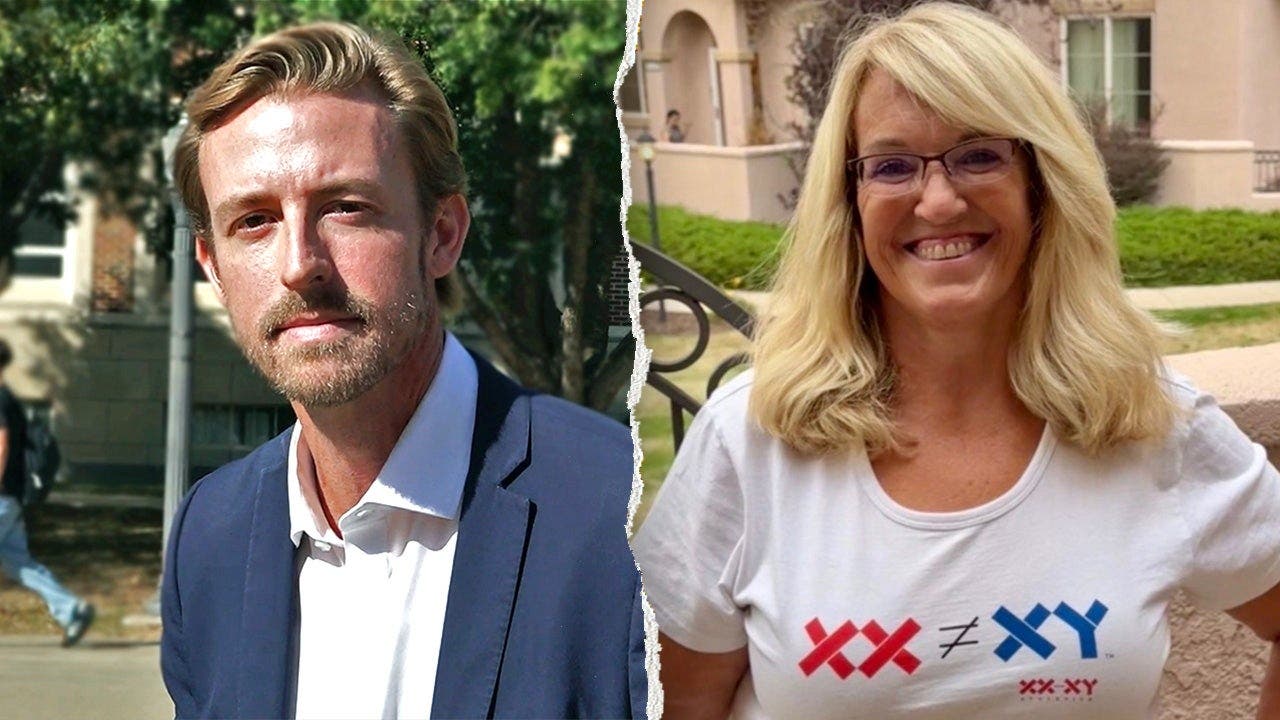
Stacy Adair, a Colorado teacher named teacher of the year, faced scrutiny after wearing an “XX ≠ XY” t-shirt to a professional development event. An anonymous complaint led to a questionnaire and a warning against wearing “controversial” clothing. Adair said the shirt was not political and that she wears “facts” as a matter of principle. The incident has raised concerns about ideological control in schools, with Ryan Walters of the Teachers Freedom Alliance calling it emblematic of broader struggles.
Our Reading
As expected, the matter has reached another stage.
Adair wore a t-shirt with a scientific statement.
She was questioned about it in a training event without students.
She was told not to wear “controversial” clothing.
Her case reflects a pattern of ideological pushback in education.
Author: Evan Null
Stacy Adair and the “XX ≠ XY” Shirt
Stacy Adair, a Colorado teacher, wore an “XX ≠ XY” t-shirt to a professional development event. The shirt refers to the genetic difference between female and male chromosomes. Adair, who was named teacher of the year at the 2025 Teacher Freedom Summit, said she didn’t see the shirt as political or disruptive. She said the event had no students present.
After the event, an anonymous complaint led to a questionnaire. Adair was instructed not to wear clothing with “controversial” messaging. She said she didn’t expect the reaction, but she had been aware of potential backlash for years. She had previously helped remove union influence from her school district.
Adair said she wears shirts with scientific statements because she believes in “truth.” She noted that she had also worn a “Math facts” shirt when meeting a member of the Trump administration. She said the school district has a policy against political or “disruptive” apparel.
Adair’s case has drawn attention from Ryan Walters, CEO of the Teachers Freedom Alliance. He said her situation reflects larger struggles over ideology in schools. He said similar cases have happened across the country, with teachers facing pressure for expressing certain viewpoints.
Adair said she doesn’t have evidence that the teachers union is behind the anonymous complaint. However, she said she has felt targeted since helping to weaken the union’s influence. She said she once received a threatening email from a local plumber after speaking out against the union.
The Role of Teacher Unions
Adair’s actions in 2021 led to the removal of two school board members backed by the teachers union. This allowed the district’s contract with the union to lapse. Adair said the contract gave the union control over the school district, including decisions about teacher pay and performance incentives.
She said the union’s influence made it difficult for the superintendent to make independent decisions. Without the contract, the school board regained more control. Adair said she felt like she had a “target on her back” after this action.
She described an incident where a local plumber sent her a threatening email after she spoke out against the union. She had to file a police report. Adair said she wasn’t surprised by the reaction, but she was afraid it marked the beginning of more pressure from the union.
Despite the challenges, Adair continues to wear shirts with scientific statements. She said she believes in “truth” and feels it’s important to state facts, even if they are controversial.
Her case highlights the growing tension between educators and school administrators over ideological influence. It also shows how teacher unions and their influence can shape the educational environment in ways that some educators find restrictive.
Political and Ideological Struggles in Education
The incident involving Stacy Adair is part of a broader pattern of ideological battles in schools. Teachers who express certain viewpoints, especially on issues like gender and science, often face scrutiny or disciplinary action. This has led to concerns about the control of educational content and the influence of political groups.
Adair’s case has drawn attention from organizations like the Teachers Freedom Alliance, which advocates for alternatives to teacher unions. Ryan Walters, the CEO of the group, said Adair’s situation reflects a larger trend of ideological pressure on educators. He said similar incidents have occurred across the country, with teachers facing consequences for challenging established norms.
Walters said that these incidents contribute to a lack of diverse viewpoints in schools. He argued that the pressure on teachers to conform to certain ideologies has led to a homogenization of perspectives in the classroom. He said this is especially concerning in red states, where people might not expect such ideological control.
Adair’s case has also been compared to other incidents involving teachers who have faced disciplinary action for their beliefs. For example, a school counselor in Indiana was fired for speaking out on gender identity and later settled a lawsuit for $200,000. These cases highlight the growing tension between educators and school administrators over ideological control.
Despite the challenges, Adair continues to speak out and wear shirts with scientific statements. She said she believes in “truth” and feels it’s important to state facts, even if they are controversial. Her case has become a symbol of the larger struggle over the role of ideology in education.
Impact on Teachers and Schools
Adair’s case has raised concerns about the impact of ideological pressure on teachers. Many educators feel they must conform to certain viewpoints to avoid disciplinary action or job loss. This has led to a climate of self-censorship, where teachers may avoid discussing certain topics for fear of repercussions.
Adair said she has felt targeted since helping to weaken the influence of the teachers union in her district. She said she received a threatening email from a local plumber after speaking out against the union. This incident highlights the personal risks that some educators face when challenging established power structures.
Adair’s experience is not unique. Other teachers have faced similar challenges, including being fired or disciplined for expressing certain viewpoints. These cases have led to calls for greater protection of educators’ rights to express their beliefs, even if those beliefs are controversial.
The growing tension between educators and school administrators has also led to increased scrutiny of teacher unions. Critics argue that unions have too much control over school policies and that this limits the ability of educators to express their own views. Proponents of unions, however, argue that they are necessary to protect teachers’ rights and ensure fair treatment.
Adair’s case has become a focal point in the debate over the role of ideology in education. It highlights the challenges that teachers face when trying to express their beliefs in a climate of increasing ideological pressure.
Broader Implications for Education
The case of Stacy Adair has broader implications for the future of education. It highlights the growing influence of political and ideological forces in schools, where teachers are often caught between competing interests. This has led to concerns about the role of education in shaping students’ worldviews and the extent to which teachers should be allowed to express their own beliefs.
Adair’s experience is part of a larger trend in which educators are facing increased scrutiny for their views. This has led to a climate of fear, where teachers may avoid discussing certain topics to avoid disciplinary action. The result is a narrowing of perspectives in the classroom, which some argue is detrimental to students’ ability to think critically.
Adair’s case has also sparked a debate about the role of teacher unions in education. Critics argue that unions have too much control over school policies and that this limits the ability of educators to express their own views. Proponents of unions, however, argue that they are necessary to protect teachers’ rights and ensure fair treatment.
The growing tension between educators and school administrators has also led to increased scrutiny of teacher training programs. Some educators argue that these programs are pushing a particular ideological agenda, which can limit the diversity of perspectives in the classroom. Others argue that teacher training should focus on preparing educators to handle a wide range of topics and viewpoints.
Adair’s case has become a symbol of the larger struggle over the role of ideology in education. It highlights the challenges that teachers face when trying to express their beliefs in a climate of increasing ideological pressure. It also raises important questions about the future of education and the role of teachers in shaping students’ understanding of the world.