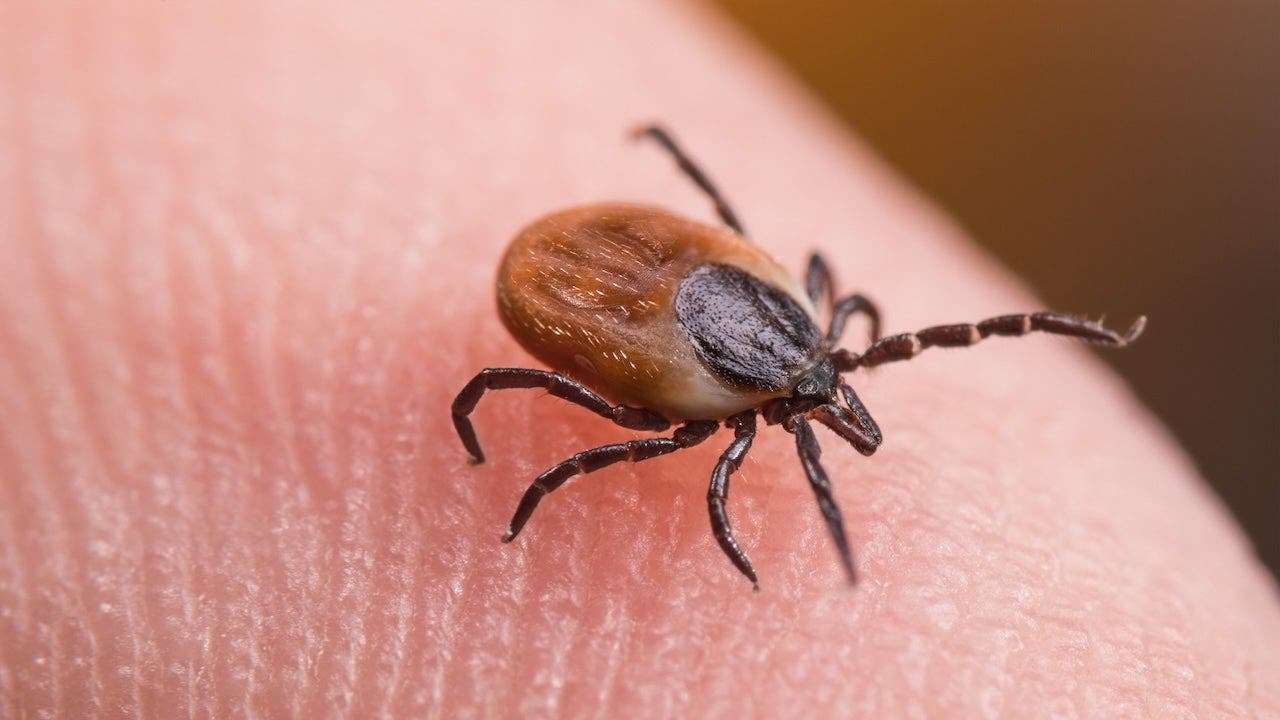
Source: Fox News
Summary
Tick bite-related ER visits have reached their highest seasonal levels since 2017, with 71 visits per 100,000 people in April 2026, compared to a historical average of 30 per 100,000. The Ohio River Valley region has seen a significant increase in Lyme disease cases, with Ohio experiencing a 10-fold increase over the past decade. Climate change and land development are contributing factors, as warmer and wetter conditions allow ticks to survive in new habitats. Ticks can transmit numerous illnesses, including Lyme disease, anaplasmosis, ehrlichiosis, and babesiosis.
Our Reading
The advice sounds familiar.
Tick-borne illnesses are on the rise, and the usual suspects are to blame: climate change, land development, and the expansion of tick habitats. The Ohio River Valley region is a hotspot for Lyme disease, with cases increasing 10-fold over the past decade. Ticks are also spreading northward, bringing diseases like ehrlichiosis and alpha-gal syndrome to new areas. The lone star tick is expanding its range, and with it, the risk of tick-borne illnesses. As temperatures rise, ticks thrive in new ecosystems, and the risk of disease transmission increases. The Powassan virus, a rare but deadly tick-borne disease, is also on the rise.
The situation feels like a rerun of the same old story: new studies, new warnings, and the same old advice to prevent tick-borne illnesses.
Author: Evan Null