
Transit Funding at Record Highs Amid Declining Ridership
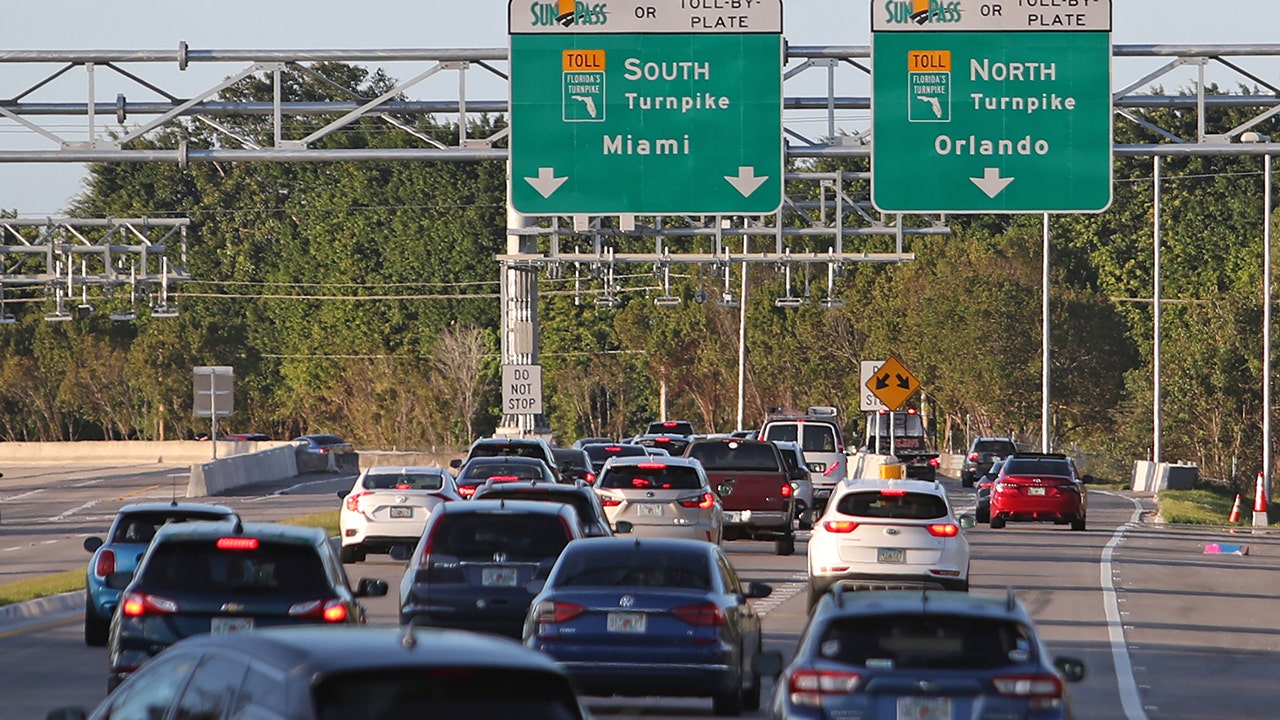
Source: Fox News
Summary
A new report from the Committee to Unleash Prosperity raises questions about the effectiveness of federal transit spending, which has reached record highs despite bus and rail commuting remaining below pre-pandemic levels. The report’s author, Wendell Cox, argues that the federal transit program has structural flaws and that funding should be reassessed in light of changing commuting patterns and budget pressures. According to the report, transit’s commuter share has dropped from 12% in 1960 to under 4% in 2024, while the number of Americans driving to work has increased by 88 million.
Our Reading
As expected, the matter has reached another stage.
The report’s findings highlight the gap between federal transit spending and the actual commuting habits of Americans. Wendell Cox notes that transit travel times are generally slower than commuting by car, and that cars offer direct, door-to-door travel. The report also finds that workers can reach 58 times as many jobs by car as by transit across the nation’s 50 largest metropolitan areas. Cox argues that this underscores the need for a broader reassessment of federal transit policy.
One thing that stands out is how the report’s criticism of federal transit spending is framed in terms of its failure to deliver results, rather than its potential benefits or drawbacks. This framing is consistent with the way politicians often talk about government programs, but it also highlights the tension between the program’s original goals and its current outcomes.
Author: Evan Null
