Source: Fox News
Summary
American truckers are facing financial strain due to rising diesel prices, which have reached $6.32 per gallon, up over 70% from last year. Truckers like Suave Dorsett and Tyler Rinaldi report that fuel costs are cutting into their earnings and forcing companies to cut routes. Some drivers warn that smaller operators may be forced to shut down, potentially affecting supply chains. The situation is linked to the Iran conflict, with President Trump predicting oil prices will drop once the conflict ends. The American Transportation Research Institute noted a 53.7% surge in fuel costs in 2022, and the current spike threatens similar pressures.
Our Reading
As expected, the matter has reached another stage.
Truckers talk about fuel costs and route cuts.
Trump says prices will drop when the war ends.
Drivers say the war is making everything more expensive.
Prices keep rising, and the same old problems come back.
Author: Evan Null
Truckers and the Rising Cost of Diesel
American truckers are facing a growing crisis as diesel prices soar, putting pressure on their profits and forcing companies to cut routes. Drivers like Suave Dorsett and Tyler Rinaldi have spoken out, saying that rising fuel costs are making it harder to stay in business. The national average for diesel is now $6.32 per gallon, up from $3.69 a year ago, a jump of more than 70%. This surge has already affected the industry, with some companies reducing weekend routes and smaller operators struggling to stay afloat.
The Iran conflict is a major factor in the price increase, with truckers warning that the situation could eventually affect consumers. As diesel prices rise, the pressure on trucking companies grows, and some drivers fear that smaller operators may be forced to shut down. This could lead to a chain reaction, with larger carriers also feeling the impact. The situation echoes the fuel crisis of 2022, when the pandemic and Russia’s invasion of Ukraine sent prices soaring.
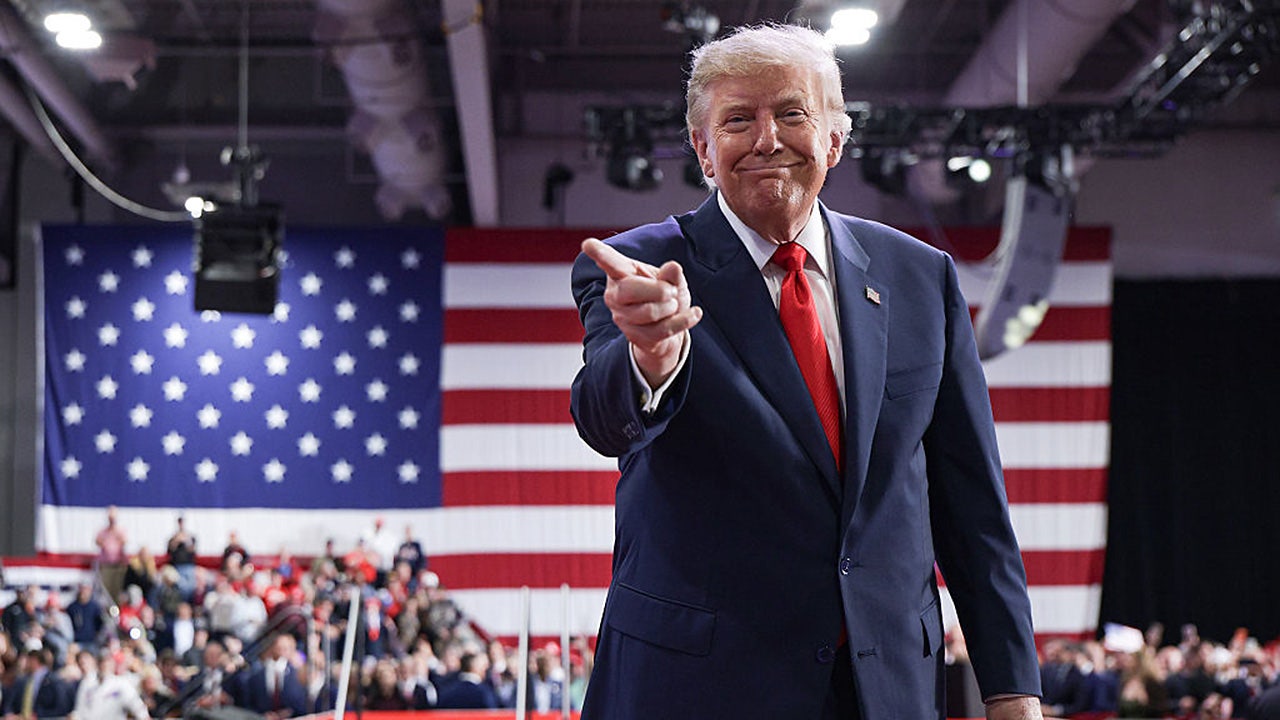
President Trump has predicted that oil prices will fall once the conflict with Iran ends, but truckers say the effects are already being felt. Trump has taken steps to address the issue, including negotiating with European countries to release emergency fuel reserves. However, many truckers remain skeptical, saying that the current situation is not improving quickly enough. The American Transportation Research Institute reported a 53.7% increase in fuel costs in 2022, and the current spike threatens to bring similar challenges.
Truckers like Avante Jackson have warned that the rising costs could eventually affect consumers, with fewer routes leading to higher prices for goods. Despite these concerns, some drivers caution against fear-mongering, saying that the situation is complex and not as dire as some suggest. However, the pressure on the industry is real, and many truckers are calling on the government to take action to lower fuel prices.
The situation highlights the delicate balance between global conflicts, energy markets, and the everyday lives of American workers. As the Iran war continues, the impact on diesel prices and the trucking industry is likely to persist, with no clear solution in sight. For now, truckers are left to navigate the rising costs and uncertain future, hoping for relief that may not come anytime soon.
Trump’s Response and the Call for Action
President Trump has taken a strong stance on rising fuel prices, calling the current situation a “small price to pay” for preventing Iran from obtaining nuclear weapons. He has defended the high costs as a temporary measure, predicting that prices will “come down like a rock” once the conflict ends. Trump has also taken action, signing an executive order aimed at lowering diesel costs for truckers and negotiating with European allies to release emergency fuel reserves. These steps have been framed as part of a broader effort to stabilize the market and ease pressure on consumers.
White House spokesperson Taylor Rogers has emphasized that the administration is working to bring prices down, citing the release of 100 million barrels of oil and fuel products from emergency reserves. However, truckers remain skeptical, saying that the effects of these measures are not yet visible. Despite the government’s efforts, the situation on the ground is still challenging, with many drivers struggling to make ends meet. The pressure on the trucking industry is growing, and the call for relief is getting louder.
Truckers like Avante Jackson have urged the government to take more direct action, saying that the current measures are not enough. Jackson emphasized that truckers are the “backbone of America” and that their concerns should not be ignored. He called on the administration to put themselves in the shoes of truckers and take meaningful steps to lower fuel prices. The message is clear: the industry is under pressure, and the need for action is urgent.
As the Iran conflict continues, the impact on fuel prices and the trucking industry remains a pressing issue. The government’s response has been swift, but many truckers feel that more needs to be done. The situation is a reminder of the complex interplay between global events, energy markets, and the daily lives of workers. For now, the focus remains on finding a solution that can bring relief to the industry and prevent further strain on the economy.
The call for action is not just about lowering prices, but about ensuring that the trucking industry can continue to function effectively. With the current crisis, the need for a coordinated response is more important than ever. As the situation evolves, the hope is that the government will take the necessary steps to support the industry and prevent further disruption to the supply chain.
The Impact on Consumers and the Economy
The rising cost of diesel is not just a problem for truckers; it is also affecting consumers and the broader economy. As truckers face financial strain, the potential for route cuts and reduced operations could lead to higher prices for goods, including groceries, Amazon packages, and even new homes. This ripple effect is a concern for many, as the trucking industry plays a crucial role in keeping the economy moving. The connection between fuel prices and consumer costs is becoming more apparent, with many people feeling the impact of the crisis in their daily lives.
Truckers like Suave Dorsett and Tyler Rinaldi have highlighted the challenges they face, with rising fuel costs making it difficult to maintain profitability. The pressure on smaller operators is particularly acute, as they have less room to absorb the increased expenses. This could lead to a domino effect, with larger carriers also feeling the strain. The situation is reminiscent of the fuel crisis of 2022, when the pandemic and the Russia-Ukraine conflict led to similar challenges for the industry.
Despite the concerns, some drivers caution against panic, saying that the situation is complex and not as dire as some suggest. However, the pressure on the industry is real, and many are calling for immediate action to address the issue. The government’s response has been swift, with Trump taking steps to lower fuel prices and negotiate with international partners. However, the effectiveness of these measures remains to be seen, and many truckers are waiting for tangible results.
The impact of the crisis is not limited to the trucking industry; it is also affecting the broader economy. As fuel prices rise, the cost of transporting goods increases, leading to higher prices for consumers. This is a concern for many, as the economy becomes more vulnerable to external shocks. The situation highlights the interconnected nature of global markets and the need for coordinated efforts to address the challenges facing the industry.
As the Iran conflict continues, the pressure on fuel prices is likely to persist, with no clear solution in sight. The call for action is growing, with many hoping that the government will take the necessary steps to support the industry and prevent further disruption. For now, the focus remains on finding a solution that can bring relief to the trucking industry and prevent further strain on the economy.
Global Conflicts and the Cost of Fuel
The current crisis in the fuel market is closely tied to global conflicts, particularly the ongoing situation in Iran. The war has led to a surge in diesel prices, with the national average now at $6.32 per gallon, up from $3.69 a year ago. This increase has put significant pressure on truckers, who are struggling to maintain profitability. The situation is reminiscent of the fuel crisis of 2022, when the pandemic and the Russia-Ukraine conflict led to similar challenges for the industry. The connection between global events and fuel prices is becoming more apparent, with many people feeling the impact of the crisis in their daily lives.
Truckers like Suave Dorsett and Tyler Rinaldi have spoken out about the challenges they face, with rising fuel costs making it difficult to stay in business. The pressure on smaller operators is particularly acute, as they have less room to absorb the increased expenses. This could lead to a domino effect, with larger carriers also feeling the strain. The situation is a reminder of the complex interplay between global events, energy markets, and the daily lives of workers. For now, the focus remains on finding a solution that can bring relief to the industry and prevent further disruption to the supply chain.
President Trump has taken a strong stance on rising fuel prices, calling the current situation a “small price to pay” for preventing Iran from obtaining nuclear weapons. He has defended the high costs as a temporary measure, predicting that prices will “come down like a rock” once the conflict ends. Trump has also taken action, signing an executive order aimed at lowering diesel costs for truckers and negotiating with European allies to release emergency fuel reserves. These steps have been framed as part of a broader effort to stabilize the market and ease pressure on consumers.
White House spokesperson Taylor Rogers has emphasized that the administration is working to bring prices down, citing the release of 100 million barrels of oil and fuel products from emergency reserves. However, truckers remain skeptical, saying that the effects of these measures are not yet visible. Despite the government’s efforts, the situation on the ground is still challenging, with many drivers struggling to make ends meet. The pressure on the trucking industry is growing, and the call for relief is getting louder.
The impact of the crisis is not just a problem for truckers; it is also affecting consumers and the broader economy. As truckers face financial strain, the potential for route cuts and reduced operations could lead to higher prices for goods, including groceries, Amazon packages, and even new homes. This ripple effect is a concern for many, as the trucking industry plays a crucial role in keeping the economy moving. The connection between fuel prices and consumer costs is becoming more apparent, with many people feeling the impact of the crisis in their daily lives.
The Role of Government and the Call for Relief
The government’s response to the rising fuel prices has been a key focus for truckers, who are calling for immediate action to address the crisis. President Trump has taken steps to lower diesel costs, including signing an executive order aimed at reducing prices for truckers and negotiating with European allies to release emergency fuel reserves. These measures have been framed as part of a broader effort to stabilize the market and ease pressure on consumers. However, many truckers remain skeptical, saying that the effects of these actions are not yet visible and that more needs to be done to support the industry.
White House spokesperson Taylor Rogers has emphasized that the administration is working to bring prices down, citing the release of 100 million barrels of oil and fuel products from emergency reserves. Despite these efforts, the situation on the ground is still challenging, with many drivers struggling to make ends meet. The pressure on the trucking industry is growing, and the call for relief is getting louder. Truckers like Avante Jackson have urged the government to take more direct action, saying that the current measures are not enough and that the industry needs immediate support to stay afloat.
The call for action is not just about lowering prices, but about ensuring that the trucking industry can continue to function effectively. With the current crisis, the need for a coordinated response is more important than ever. As the situation evolves, the hope is that the government will take the necessary steps to support the industry and prevent further disruption to the supply chain. For now, the focus remains on finding a solution that can bring relief to the trucking industry and prevent further strain on the economy.
Truckers like Suave Dorsett and Tyler Rinaldi have highlighted the challenges they face, with rising fuel costs making it difficult to maintain profitability. The pressure on smaller operators is particularly acute, as they have less room to absorb the increased expenses. This could lead to a domino effect, with larger carriers also feeling the strain. The situation is a reminder of the complex interplay between global events, energy markets, and the daily lives of workers. For now, the focus remains on finding a solution that can bring relief to the industry and prevent further disruption to the supply chain.
The impact of the crisis is not just a problem for truckers; it is also affecting consumers and the broader economy. As truckers face financial strain, the potential for route cuts and reduced operations could lead to higher prices for goods, including groceries, Amazon packages, and even new homes. This ripple effect is a concern for many, as the trucking industry plays a crucial role in keeping the economy moving. The connection between fuel prices and consumer costs is becoming more apparent, with many people feeling the impact of the crisis in their daily lives.