Source: Fox News
Summary
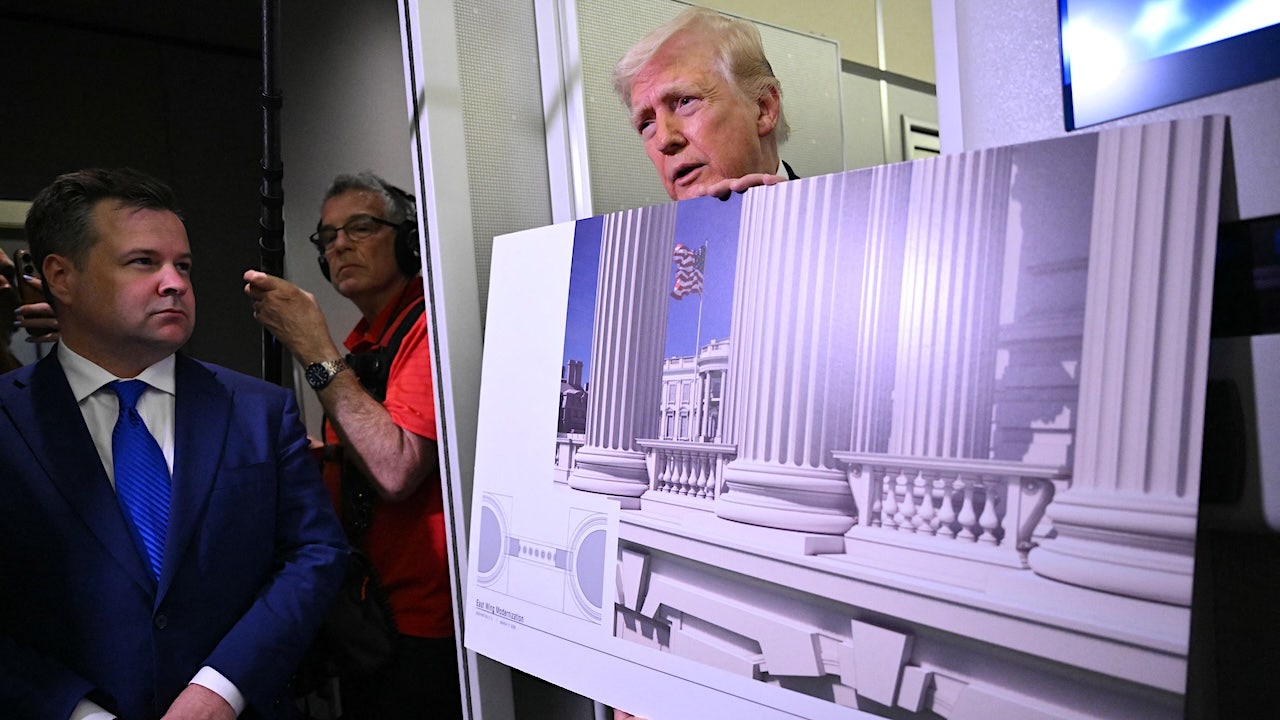
The Trump administration has filed an emergency motion to restore construction of the White House ballroom, citing “time is of the essence” and security concerns. The motion argues that the judge’s ruling halting the project is “untenable” and threatens national security. The administration claims that Congress has given the President authority to make improvements to the White House grounds and structures. The project is privately funded, with over $400 million in donations, and the administration argues that congressional approval is not needed.
The motion also criticizes the judge for not visiting the construction site, despite an invitation. Preservationists challenging the construction claim that the administration bypassed federal review and authorization requirements. The administration rejects this claim, stating that the President has complete authority to renovate the White House.
Our Reading
As expected, the matter has reached another stage.
The Trump administration files an emergency motion to restore construction of the White House ballroom, citing security concerns and the need for completion. The motion argues that the judge’s ruling is “untenable” and threatens national security. The administration claims that Congress has given the President authority to make improvements to the White House grounds and structures. The project’s $400 million in donations is at stake. The judge’s decision is seen as a delay in the construction process.
Once again, the discussion returns to a familiar question: who has the authority to make decisions about the White House?
The Trump administration’s motion is a performance of urgency, emphasizing the need for swift action to protect national security. The language used is dramatic, with phrases like “time is of the essence” and “untenable” ruling. The administration’s claims of congressional authority and the judge’s alleged mistakes are part of a familiar script. The motion is a ritualistic appeal to a higher authority, the U.S. Court of Appeals for the D.C. Circuit.
Author: Evan Null