Source: Fortune.com
Summary
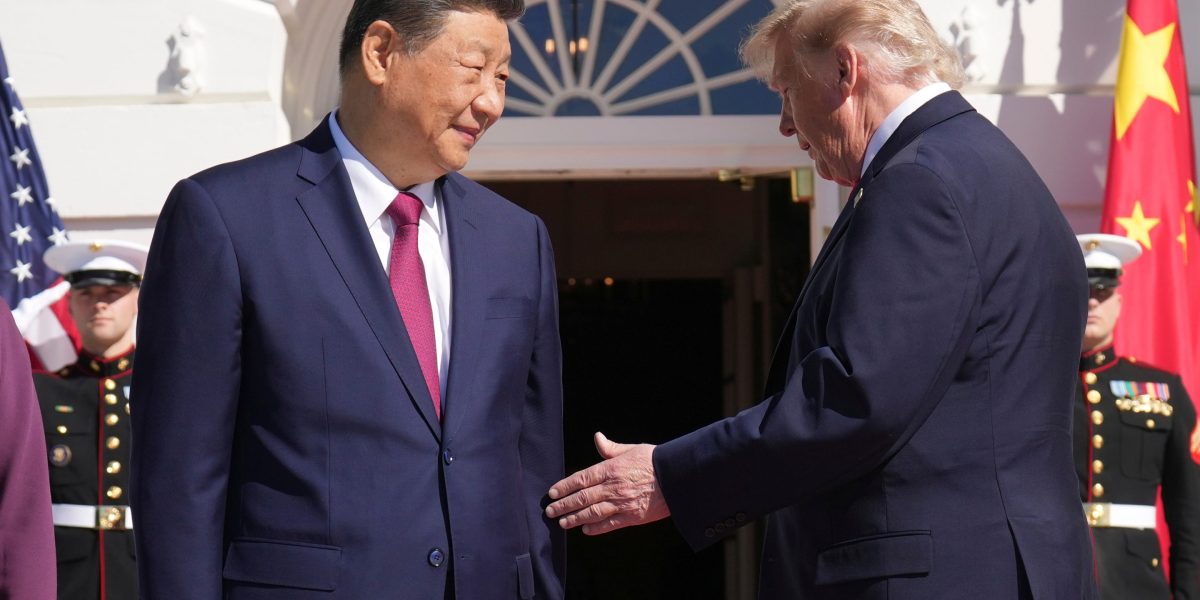
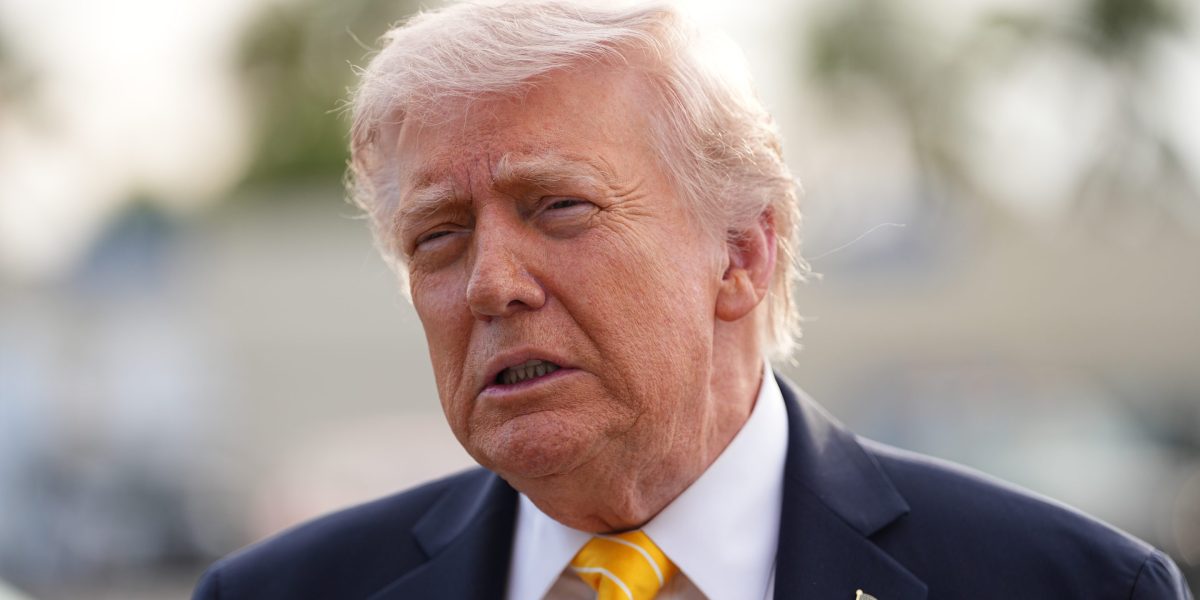
US President Donald Trump is reviewing a new Iranian proposal to end the war, but expressed skepticism about its chances of success. The proposal, which includes 14 points, was sent via Pakistan in response to a 9-point US proposal. Meanwhile, imprisoned Iranian rights lawyer Narges Mohammadi’s health is at “very high risk” and her family is seeking her transfer to Tehran for treatment. The US has also warned shipping companies about possible sanctions for paying Iran to pass safely through the Strait of Hormuz.
Our Reading
The strategy enters a familiar phase.
Trump’s skepticism about the Iranian proposal is no surprise, given the history of failed negotiations. The fact that Iran has sent a new proposal via Pakistan suggests they are trying to find a way out of the conflict. The US warning to shipping companies about sanctions adds pressure to the situation. Mohammadi’s health crisis highlights the human cost of the conflict. The hanging of two men convicted of spying for Israel shows the Iranian government’s continued crackdown on dissent.
The Strait of Hormuz remains a flashpoint in the conflict, with the US naval blockade depriving Iran of much-needed oil revenue.
The numbers tell one story: 48 commercial ships have been told to turn back, and the US is warning of sanctions.
But the real story is the human cost of the conflict, from Mohammadi’s failing health to the executions of alleged spies.
Iran’s proposal may be a sign of desperation, but it’s also a sign that they’re willing to negotiate.
The US response will be crucial in determining the next phase of the conflict.
Author: Evan Null