Source: Fortune.com
Summary
President Donald Trump unveiled a new White House helicopter landing pad, despite a First Amendment controversy and major TV networks boycotting the event. Networks ABC, CBS, NBC, and Fox skipped the ceremony in protest after CNN was banned from White House coverage. Trump claimed the helipad, which he described as “very beautiful,” was privately funded and would impress visiting dignitaries, including Chinese President Xi Jinping. The project, which began in June, involved replacing original stone with granite and was part of Trump’s broader focus on White House renovations. The event overshadowed other planned activities, including Trump’s trip to the United Nations General Assembly.
Our Reading
The announcement sounds familiar.
Trump cut a ribbon and waved to construction workers.
TV networks skipped the event in protest.
He praised the helipad’s “million-year life” and its impact on foreign dignitaries.
The event was overshadowed by media bans and political tensions.
Construction projects continue, even as criticism grows.
Author: Evan Null
Trump’s Helipad Unveiling
President Donald Trump unveiled a new White House helicopter landing pad, aiming to highlight his administration’s construction efforts. The event took place on the South Lawn, where a light drizzle fell as Trump used oversized gold scissors to cut a red, white, and blue ribbon. He exchanged handshakes with officials and construction workers, trying to project normalcy despite the controversy surrounding the event.
The unveiling was marked by a lack of media coverage, as major television networks, including ABC, CBS, NBC, and Fox, chose to skip the ceremony in protest of CNN’s ban from White House coverage. This decision reflected growing tensions between the administration and the press, with Trump continuing his efforts to limit media access to the White House.
Trump’s focus on the helipad was part of a broader pattern of prioritizing construction projects, even as his approval ratings dipped and concerns about the economy and ongoing conflicts in the Middle East persisted. The president claimed the helipad was privately funded and would impress visiting dignitaries, including Chinese President Xi Jinping, who was set to arrive for a state visit.
The event also overshadowed other planned activities, including Trump’s trip to the United Nations General Assembly. Despite the controversy, the president continued to promote his building projects, emphasizing their importance in showcasing the administration’s achievements.
Trump’s approach to construction and media relations has drawn criticism, with some questioning the legitimacy of his claims about the longevity and cost of the projects. The helipad, which was part of a larger renovation effort, has become a symbol of the administration’s focus on infrastructure and its ongoing tensions with the press.
Media Boycott and Legal Challenges
The absence of major television networks at the helipad unveiling was a significant development, highlighting the growing rift between the administration and the press. CNN, along with Politico and MS Now, had sued the administration after being banned from White House coverage. This move was seen as an escalation of Trump’s long-standing efforts to restrict media access, which he has framed as a response to what he perceives as biased reporting.
The networks’ decision to skip the event was an unusual step, as they typically participate in a five-network rotation that provides pooled footage of daily White House events. By collectively skipping the helipad ceremony, ABC, CBS, NBC, and Fox signaled their disapproval of the administration’s actions and the broader trend of limiting press access.
The media boycott was part of a larger pattern of resistance to Trump’s policies, with journalists and legal experts raising concerns about the implications for free speech and the First Amendment. The situation underscored the growing tension between the administration and the press, with the president continuing to frame his actions as necessary for maintaining control over the narrative.
The legal challenges against the media ban added another layer of complexity to the situation, as courts weighed in on the administration’s authority to restrict press access. This development highlighted the broader constitutional questions surrounding the role of the press in covering government activities and the potential impact on democratic processes.
As the situation continued to unfold, the media boycott and legal challenges reflected the deepening divide between the administration and the press, with both sides increasingly entrenched in their positions.
Construction Projects and Public Funding
Trump’s focus on construction projects, including the helipad, has been a key part of his administration’s agenda. The president has consistently emphasized the importance of infrastructure and renovation efforts, often framing them as necessary for modernizing the White House and enhancing its capabilities. However, the funding for these projects has been a subject of debate, with some of the work relying on public funds despite initial claims of private financing.
The helipad project, which began in June, involved replacing original stone with granite and was part of a larger renovation effort. Trump claimed the project would be privately funded and estimated its cost at up to $6 million. However, additional changes, including extensive ground leveling around the helipad, made calculating the exact expenditure difficult. This lack of transparency raised questions about the true cost of the project and the administration’s financial practices.
Other construction projects, such as the $400 million ballroom, have also drawn scrutiny. Initially, Trump claimed the ballroom would be funded by private donors, but the administration later sought $1 billion from Congress for security improvements. This shift in funding sources highlighted the administration’s reliance on public money for major projects, despite the president’s initial claims to the contrary.
The focus on construction has been part of a broader pattern of infrastructure development, with Trump positioning himself as a leader in building and renovating key government facilities. However, the reliance on public funding for these projects has raised concerns about the administration’s financial transparency and the potential impact on taxpayer dollars.
As the administration continues its focus on construction, the funding sources and financial practices remain under scrutiny, with critics questioning the legitimacy of the projects and their impact on public resources.
Trump’s Focus on Foreign Dignitaries
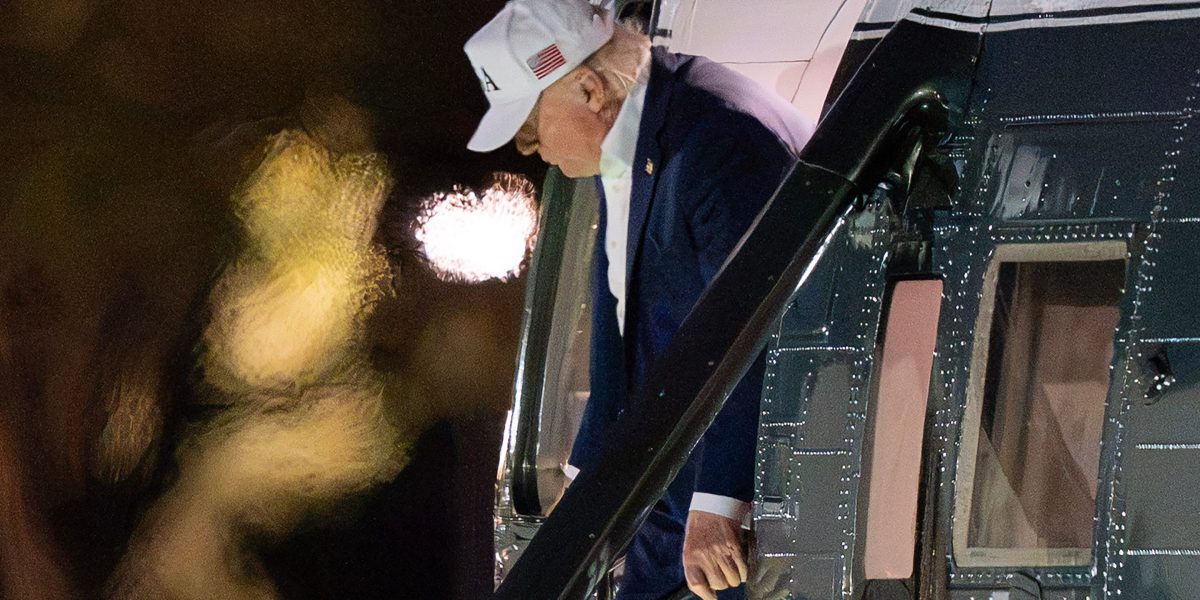
Trump’s emphasis on the helipad was closely tied to his efforts to impress visiting dignitaries, particularly Chinese President Xi Jinping, who was set to arrive for a state visit. The president has long claimed that the helipad would serve as a symbol of the administration’s commitment to modernizing the White House and enhancing its capabilities for international visitors. However, the project’s practical necessity has been questioned, as Marine One is the only aircraft that lands so close to the White House.
The helipad was also part of a broader strategy to showcase the administration’s achievements to foreign leaders. Trump has consistently emphasized the importance of making a strong impression on visiting dignitaries, often highlighting the scale and quality of the renovations as evidence of his leadership. This focus on foreign relations has been a key part of his administration’s messaging, with the president positioning himself as a strong leader capable of delivering impressive results.
Despite the emphasis on foreign dignitaries, the project has been overshadowed by other developments, including the media boycott and legal challenges. The controversy surrounding the event has drawn attention away from the administration’s efforts to promote its construction projects and has raised questions about the broader implications for the president’s agenda.
The focus on foreign dignitaries has also been part of a larger strategy to bolster the administration’s image and gain support for its policies. Trump has often framed his actions as necessary for maintaining the United States’ global standing and ensuring that foreign leaders view the administration favorably. This approach has been a key part of his messaging, with the president emphasizing the importance of projecting strength and capability.
As the administration continues its focus on construction and international relations, the impact of these efforts on the president’s broader agenda remains to be seen.
Trump’s Media Tensions and Public Image
The controversy surrounding the helipad unveiling and the media boycott highlighted the growing tensions between the administration and the press. Trump has consistently criticized the media, accusing it of bias and seeking to limit its access to White House events. This approach has been part of a broader pattern of resistance to media coverage, with the president framing his actions as necessary for maintaining control over the narrative.
The media boycott by major networks was a significant development, reflecting the deepening divide between the administration and the press. By skipping the event, the networks signaled their disapproval of the administration’s actions and the broader trend of restricting press access. This decision underscored the growing concerns about the impact of these actions on the First Amendment and the role of the press in covering government activities.
Trump’s focus on media relations has been a key part of his administration’s strategy, with the president often using his social media platform to communicate directly with the public. This approach has allowed him to bypass traditional media outlets and maintain a direct line of communication with his supporters. However, it has also contributed to the growing tensions between the administration and the press, with critics questioning the legitimacy of his actions.
The situation has raised broader questions about the role of the press in a democracy and the potential impact of restricting media access on public accountability. As the administration continues its focus on media relations, the implications for the press and the broader democratic process remain to be seen.
Trump’s approach to media relations has been a defining feature of his administration, with the president positioning himself as a strong leader capable of navigating the challenges of the press and maintaining control over the narrative.