Source: Fortune.com
Summary
The U.S. bond market, particularly Treasury yields, is influencing interest rates for mortgages, loans, and savings. Rising yields have led the Treasury to intervene, but the 10-year yield remains near a one-year high. Global competition from higher-yielding bonds in Japan, the U.K., and Germany is pressuring U.S. rates. The Federal Reserve’s short-term rates also affect consumer loans and savings. Higher yields benefit savers but increase borrowing costs and may dampen consumer spending.
Our Reading
The numbers tell one story.
Treasury yields rose despite intervention, showing limited effectiveness.
Global bonds now compete with U.S. Treasurys, shifting investor focus.
Higher rates hurt borrowers but help savers and attract investment in tech.
Investors remain cautious, but no panic has emerged yet.
Author: Evan Null
Understanding the Bond Market
The bond market is a critical component of the financial system, where governments and corporations raise capital by issuing debt. These bonds are essentially loans that investors make to the issuer, who promises to repay the principal plus interest. The U.S. Treasury market is the largest and most liquid, but it’s not the only game in town anymore.
Investors are increasingly looking at bonds from other countries, such as Japan, the U.K., and Germany, which now offer higher yields than U.S. Treasurys. This competition is pushing U.S. rates higher, as investors demand more return for their money. The shift reflects broader global economic trends and changing investor sentiment.
The bond market’s influence extends beyond government borrowing. It sets the tone for interest rates on mortgages, car loans, and savings accounts. When bond yields rise, borrowing costs for consumers and businesses increase, which can slow down economic activity. This dynamic is particularly evident in the housing market, where mortgage rates have climbed to their highest levels in a year.
The U.S. government is under pressure to manage its debt, which has surpassed $40 trillion. As yields rise, the cost of servicing this debt increases, putting further strain on the federal budget. The Treasury has taken steps to stabilize yields, but the market’s response has been mixed, with yields rebounding quickly after temporary interventions.
Despite concerns, the bond market has not yet reached a tipping point where investors are fleeing U.S. Treasurys in mass. However, the ongoing rise in yields and the global nature of the debt crisis suggest that the U.S. government’s fiscal path remains unsustainable in the long term.
The Impact on Consumers and Investors
Rising bond yields have a direct impact on consumers, particularly those looking to buy a home. Mortgage rates, which are closely tied to the 10-year Treasury yield, have reached their highest levels in a year, making home purchases more expensive. This could deter potential buyers and slow the housing market, which is a key driver of economic growth.
For investors, higher yields present both opportunities and challenges. Savers benefit from higher returns on their deposits, while borrowers face steeper interest rates on loans. Additionally, higher yields can lead to lower prices for riskier assets like stocks, gold, and cryptocurrencies, as investors seek safer, higher-yielding investments.
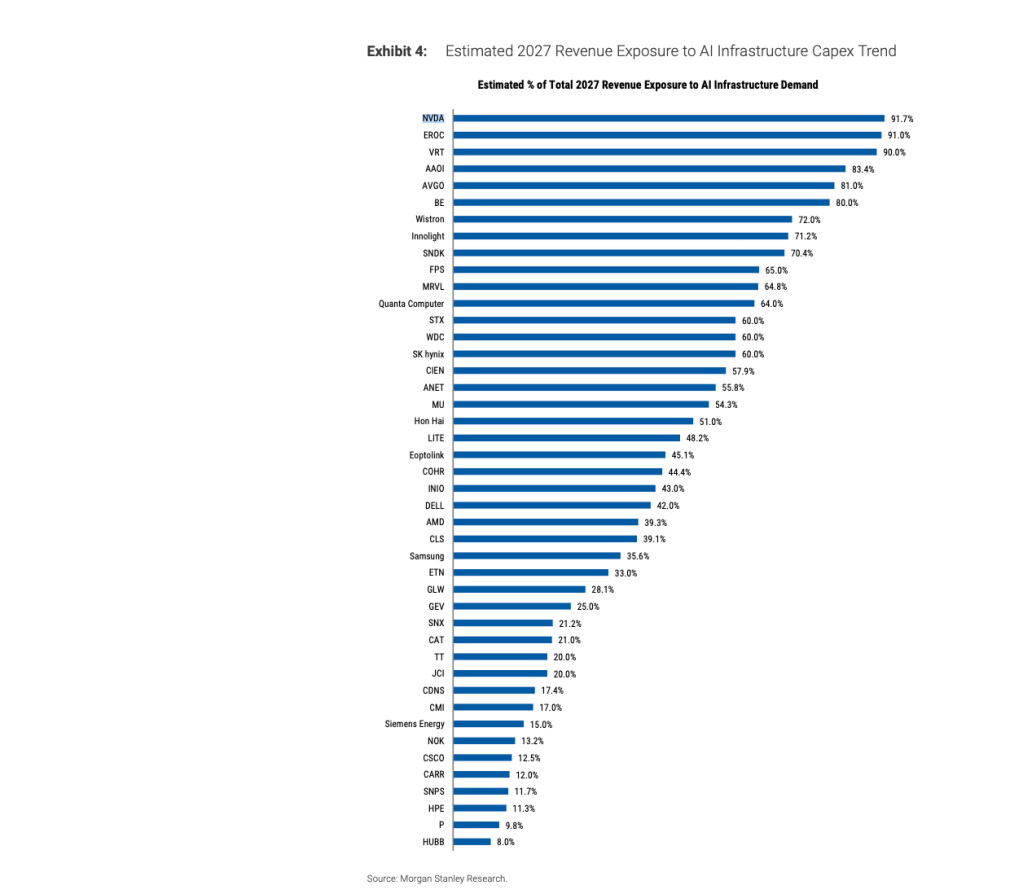
The bond market also plays a role in shaping corporate financing. As yields rise, companies may find it more expensive to borrow money, which could affect their ability to invest in growth or innovation. However, some sectors, like technology, may benefit from increased demand for infrastructure, such as AI development.
While the bond market’s influence is broad, it’s not the only factor affecting the economy. Inflation, geopolitical tensions, and monetary policy all play a role in shaping market conditions. The recent rise in yields has been driven by concerns over inflation, the U.S. debt burden, and global economic uncertainty.
Despite the challenges, the bond market remains a vital part of the financial system. It provides a way for governments and corporations to raise capital and offers investors a range of options for managing risk and returns.
The Global Debt Landscape
The U.S. is not the only country facing debt challenges. Global bond markets are experiencing similar pressures, with yields rising in Japan, Germany, and other major economies. This global trend suggests that the debt issue is not isolated to the U.S. but is part of a broader economic shift.
Investors are increasingly looking at the creditworthiness of different countries as they make investment decisions. The U.S. has traditionally been seen as a safe haven, but the rising debt and the competition from other markets are changing that perception. This shift could have long-term implications for the U.S. economy and its ability to attract capital.
The Federal Reserve’s role in setting short-term interest rates also influences the bond market. When the Fed raises rates, it can lead to higher borrowing costs for consumers and businesses. This, in turn, can affect inflation and economic growth, creating a complex web of interactions between monetary policy and the bond market.
While the U.S. government has taken steps to manage its debt, the long-term sustainability of its fiscal policies remains a concern. The rising cost of servicing the debt could limit the government’s ability to invest in public services and infrastructure, which are essential for long-term economic growth.
As the global economy continues to evolve, the bond market will remain a key indicator of financial health. Investors and policymakers will need to monitor trends closely to navigate the challenges and opportunities that lie ahead.
Investor Sentiment and Market Dynamics
Investor sentiment is a key driver of bond market dynamics. As yields rise, investors may become more cautious, leading to shifts in capital flows and investment strategies. This can create volatility in the market and affect the broader economy.
The bond market is also influenced by macroeconomic indicators such as inflation, employment data, and economic growth. These factors can impact investor confidence and shape market expectations. For example, rising inflation can lead to higher yields as investors demand more compensation for the risk of losing purchasing power.
Central banks play a crucial role in managing the bond market. The Federal Reserve’s decisions on interest rates can have a ripple effect across the financial system, influencing everything from mortgage rates to corporate borrowing costs. This underscores the interconnected nature of the global financial system.
Despite the challenges, the bond market remains a vital part of the financial ecosystem. It provides a way for governments and corporations to raise capital and offers investors a range of options for managing risk and returns. As the market evolves, it will continue to shape the economic landscape in significant ways.
The ongoing rise in bond yields and the global nature of the debt crisis suggest that the U.S. government’s fiscal path remains unsustainable in the long term. However, the market’s response has been measured, and no panic has emerged yet. This suggests that while challenges remain, the system is still functioning within certain bounds.
The Future of the Bond Market
The future of the bond market will depend on a variety of factors, including economic growth, inflation, and global events. As the U.S. government continues to grapple with its debt, the bond market will remain a key indicator of financial health and stability.
Investors will need to monitor trends closely as they make decisions about where to allocate their capital. The competition from other markets and the rising cost of U.S. debt could lead to further shifts in investor behavior and market dynamics.
The bond market’s influence on the broader economy will continue to be significant. As yields rise, the impact on consumers, businesses, and governments will become more pronounced. This could lead to changes in spending patterns, investment strategies, and economic policy.
While the U.S. government has taken steps to manage its debt, the long-term sustainability of its fiscal policies remains a concern. The rising cost of servicing the debt could limit the government’s ability to invest in public services and infrastructure, which are essential for long-term economic growth.
As the global economy continues to evolve, the bond market will remain a key indicator of financial health. Investors and policymakers will need to monitor trends closely to navigate the challenges and opportunities that lie ahead. The bond market’s role in shaping the economic landscape will only become more important in the years to come.