Source: Fox News
Summary
President Donald Trump announced an agreement with Venezuela that would give the U.S. majority control over 65 billion barrels of oil from the country’s reserves. The deal grants the U.S. a 55% interest in a new private company managing the reserves. The agreement allows the U.S. to purchase Venezuelan oil at cost, but experts say it will take years to increase production. Gas prices in the U.S. remain high, averaging $4.08 per gallon. Trump claims the deal will lower gas prices in the long term.
Our Reading
As expected, the matter has reached another stage.
Trump stands in front of a map, pointing at Venezuela.
He says the oil is ours now, like a prize from a game.
Oil executives sit in a room, nodding politely.
It feels like a promise made in the dark, with no light yet.
Author: Evan Null
Trump’s Announcement
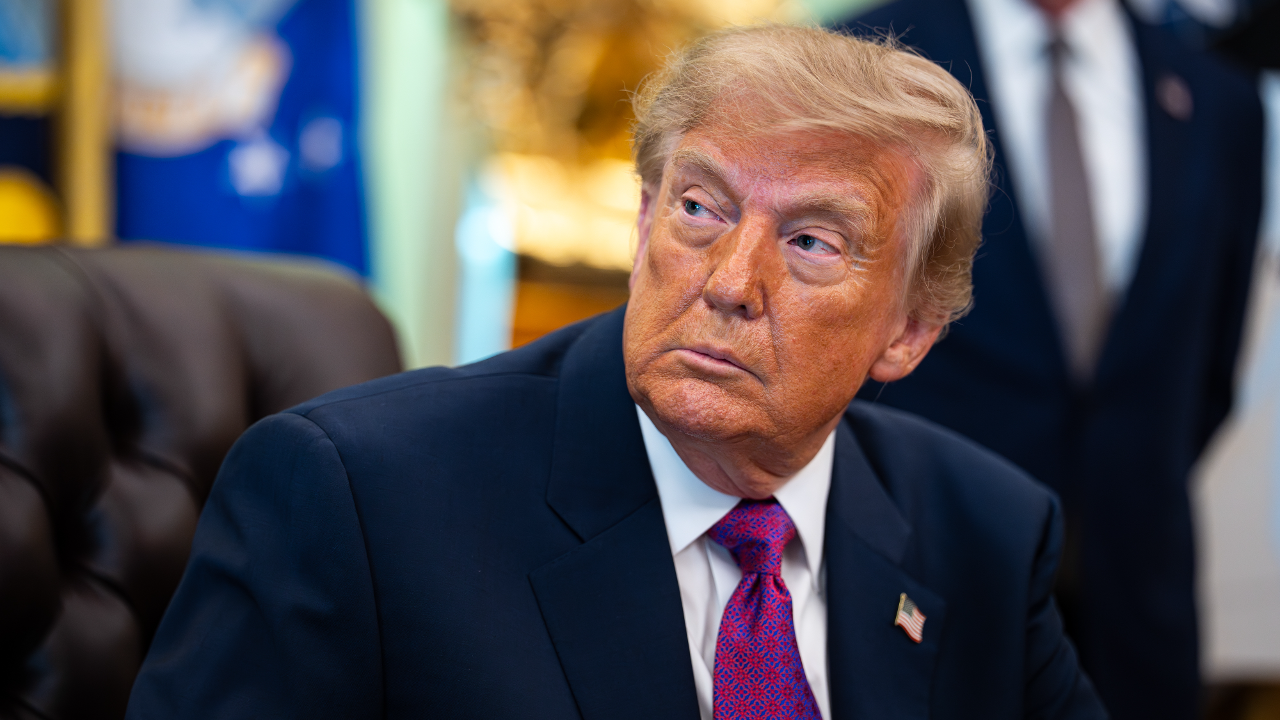
President Donald Trump announced an agreement with Venezuela that would give the U.S. majority control over 65 billion barrels of oil from the country’s proven reserves. The deal was presented as a breakthrough in the fight against rising gas prices, with Trump claiming it would substantially lower costs for Americans.
Global Energy Market Disruptions
Disruptions to global energy markets from the Iran war have pushed up prices at the pump. Americans now pay an average of $4.08 per gallon for regular gasoline, up from $3.20 a year ago. The agreement with Venezuela is seen as a way to counter these rising costs.
U.S. Interest in Venezuelan Oil
The agreement gives the U.S. a 55% effective interest in the output of a new private company formed to manage Venezuela’s oil reserves. While the U.S. will not immediately gain access to 35.75 billion barrels of oil, the 55% interest applies to the oil ultimately produced by the 17 Venezuelan fields covered by the agreement.
Challenges to Implementation
Experts say the deal is unlikely to translate into an immediate drop in U.S. gasoline prices. Bringing significantly more Venezuelan crude to market will require years of infrastructure work and billions of dollars in investment. Rystad Energy said Venezuelan oil production could jump 17% by 2028, but only if significant advances are made.
Uncertain Future for Venezuelan Oil
Venezuela’s oil is extremely heavy and viscous, requiring a steady supply of diluents to make it flow through pipelines. S&P Global described Venezuelan oil as having “the viscosity of asphalt.” The U.S. Energy Information Administration has previously said years of underinvestment and mismanagement would limit growth in Venezuela’s oil sector.