Source: Fortune.com
Summary
The U.S. is set to resume cattle imports from Mexico starting Aug. 24, ending a yearlong ban over concerns about the New World screwworm fly. The parasite, which infests wounds, has caused outbreaks in both countries, with Mexico reporting 1,969 active cases. U.S. authorities will limit daily shipments to 700 cattle initially, increasing over time. Mexican ranchers, including Martín Alfonso Ibarra, hope to restore trade but face new restrictions. The ban had hurt both economies, with U.S. beef prices rising and Mexican ranchers losing income.
Our Reading
The numbers tell one story.
U.S. cattle imports from Mexico will resume after a yearlong ban.
New restrictions will limit daily shipments to 700 cattle initially.
Ranchers in Sonora face uncertainty as they prepare for the reopening.
The screwworm outbreak has left both countries scrambling to balance health and trade.
Author: Evan Null
Background on the Screwworm Outbreak
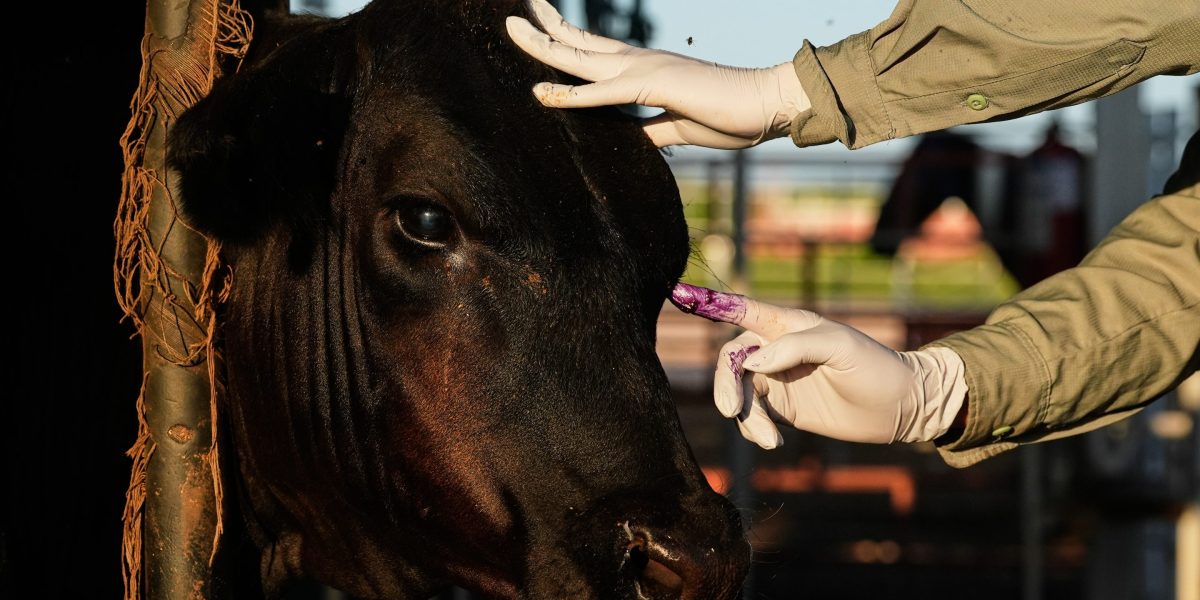
The New World screwworm fly, known for burrowing into wounds, has been a major concern for both the U.S. and Mexico. The outbreak was first detected in Mexico in November 2024 and has since spread to 30 of the country’s 32 states. The parasite has also crossed into the U.S., with cases reported in Texas and New Mexico. The U.S. imposed a ban on Mexican cattle imports in May 2025, citing the risk of the parasite spreading further.
Impact on the Cattle Industry
The ban had a significant impact on both the U.S. and Mexican cattle industries. In the U.S., it contributed to a livestock shortage and record-high beef prices, leading some consumers to cut back on meat. For Mexican ranchers, the loss of the U.S. market meant selling cattle at a 40% discount domestically, forcing many to reduce investments or sell livestock. The U.S. Department of Agriculture estimates that Mexico previously exported about 1.2 million head of cattle annually to the U.S.
New U.S. Protocols and Restrictions
As the U.S. prepares to resume imports, new protocols have been put in place to prevent the spread of the screwworm. These include the use of radio-frequency identification tags on cattle, electronic screening, and inspections by USDA officials. Initially, only 700 cattle per day will be allowed through the Douglas, Arizona, border crossing, with the number gradually increasing to 1,300. Mexican ranchers have expressed frustration with the restrictions, arguing that they will limit the flow of cattle and delay recovery.
Local Reactions and Concerns
Ranchers like Martín Alfonso Ibarra in Sonora are cautiously optimistic about the reopening but remain wary. Ibarra, who lost 40% of his income during the ban, is preparing to send 16 calves to the U.S. but says he will wait until October to finalize the sale. Local officials, including veterinarian Arturo Ruiz, have emphasized the need for strict controls to prevent the parasite from spreading further. Meanwhile, the Regional Livestock Union of Sonora has criticized the U.S. for being too restrictive and called for more technical and reasonable policies.
Broader Implications for Trade and Health
The resumption of cattle imports marks a key step in restoring trade between the U.S. and Mexico, but the new restrictions highlight the ongoing challenges of balancing public health and economic interests. The screwworm outbreak has tested the resilience of both countries’ agricultural sectors, with long-term implications for supply chains and market stability. As the U.S. and Mexico work to contain the parasite, the success of the reopening will depend on the effectiveness of the new protocols and the willingness of both sides to collaborate on a long-term solution.