Source: Fortune
Summary
As the US searches for an exit from the Iran war, the Strait of Hormuz has become a critical point of contention. Experts warn that ceding control of the strait could lead to a nuclear arms race among Gulf states, while taking control militarily would require massive costs and risks. The current status quo, with the US and Israel pounding Iranian targets, could lead to a global recession. Trump has threatened to “completely obliterate” Iranian power and water infrastructure if the strait is not opened, and has also lashed out at US allies for not helping enough.
Our Reading
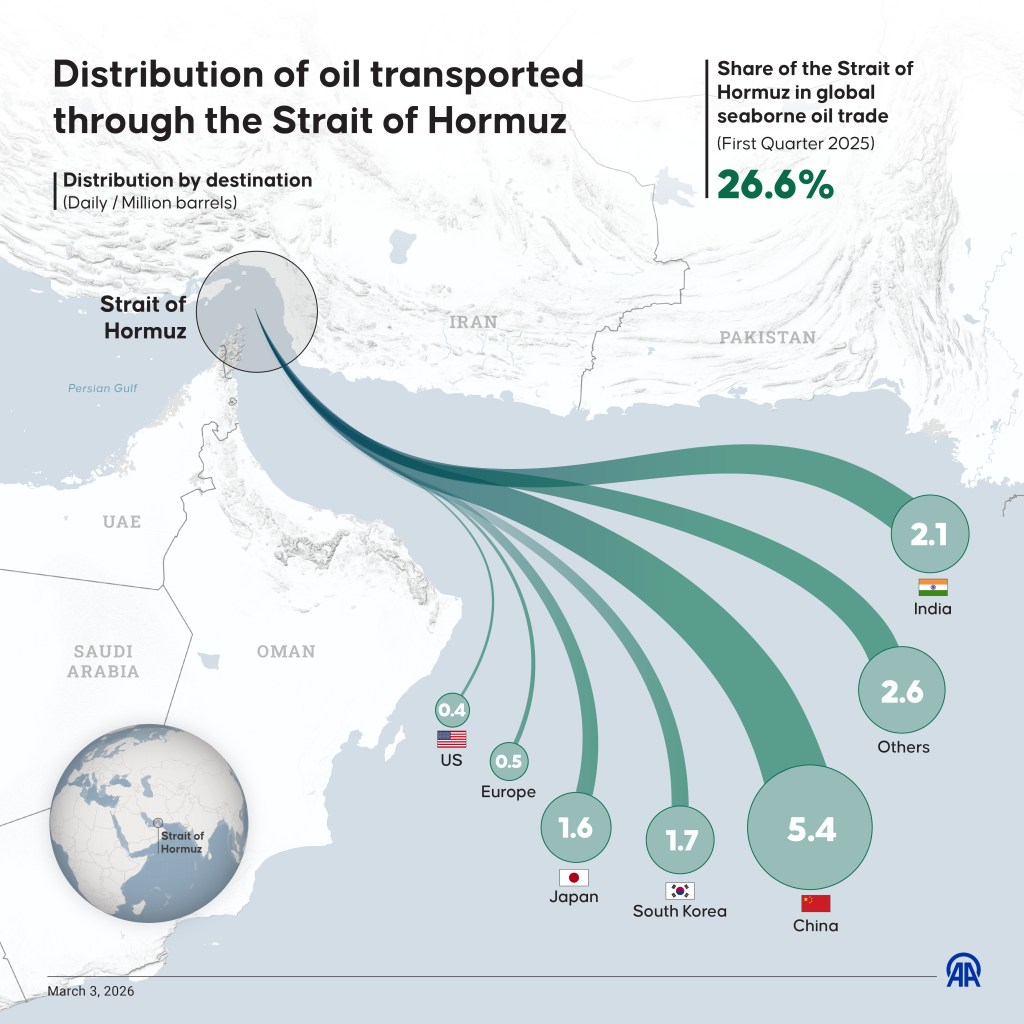
The numbers tell one story.
The US is staring down the barrel of a credit crash and sky-high inflation, with oil and natural gas prices remaining high even if the strait is opened. Trump’s threats and ultimatums have not resulted in a resolution, and experts warn that a ceasefire or US disengagement without militarily seizing control of the strait could be catastrophic for US foreign policy interests. The situation is precarious, with Pakistan and China serving as negotiation mediators and offering a five-point peace initiative. The US is likely to see an intensification of combined operations to degrade Iran’s ability to threaten Hormuz traffic.
The announcement sounds like a familiar refrain: a fragile ceasefire that’s unlikely to last.
Author: Evan Null