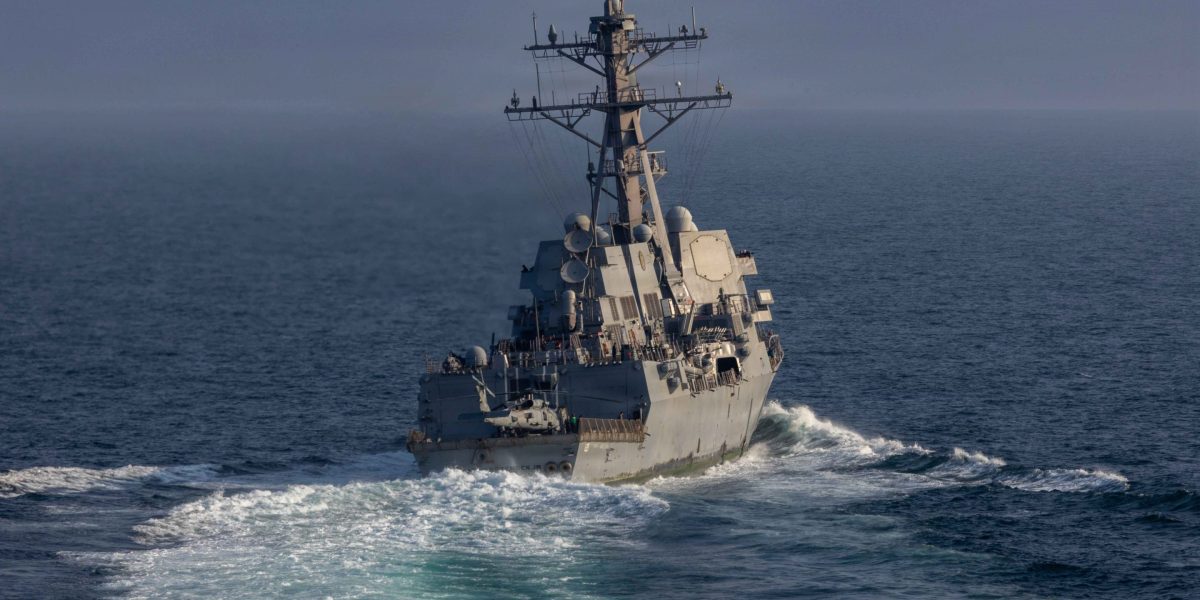
Source: Fortune
Summary
The US is set to impose a naval blockade on the Strait of Hormuz, targeting Iranian oil shipments, after talks between the two countries ended without a deal. The move is part of a two-part strategy to target Iran’s exports and control of the strait. The blockade will begin on Monday and will be enforced impartially against vessels of all nations entering or departing Iranian ports. The US Navy has sent two destroyers through the strait to prepare for mine-clearing operations.
Our Reading
The numbers tell one story. The US is escalating its war on Iran with a naval blockade, targeting Iranian oil shipments. The move is expected to cripple Iran’s already-collapsing economy and deny financial resources to the Islamic Revolutionary Guard Corps. The Navy’s decision to send two destroyers through the strait is a significant move, as it had previously avoided the area due to the high risk of Iranian attacks. The blockade is a high-stakes gamble that could have significant consequences for the global economy.
The announcement sounds familiar. The US is using a naval blockade to strangle Iran’s economy, a tactic that has been used before in other conflicts. The move is likely to escalate tensions in the region and could lead to further violence.
The strategy enters a familiar phase. The US is shifting its focus from aerial bombardments and missile barrages to naval forces, targeting Iran’s exports and control of the strait. The move is a sign that the US is committed to a long-term strategy to weaken Iran’s economy and military.
The US is playing with fire. The naval blockade is a high-risk move that could lead to further escalation and violence in the region. The consequences of the blockade could be severe, including a significant increase in oil prices and a disruption to global trade.
Author: Evan Null