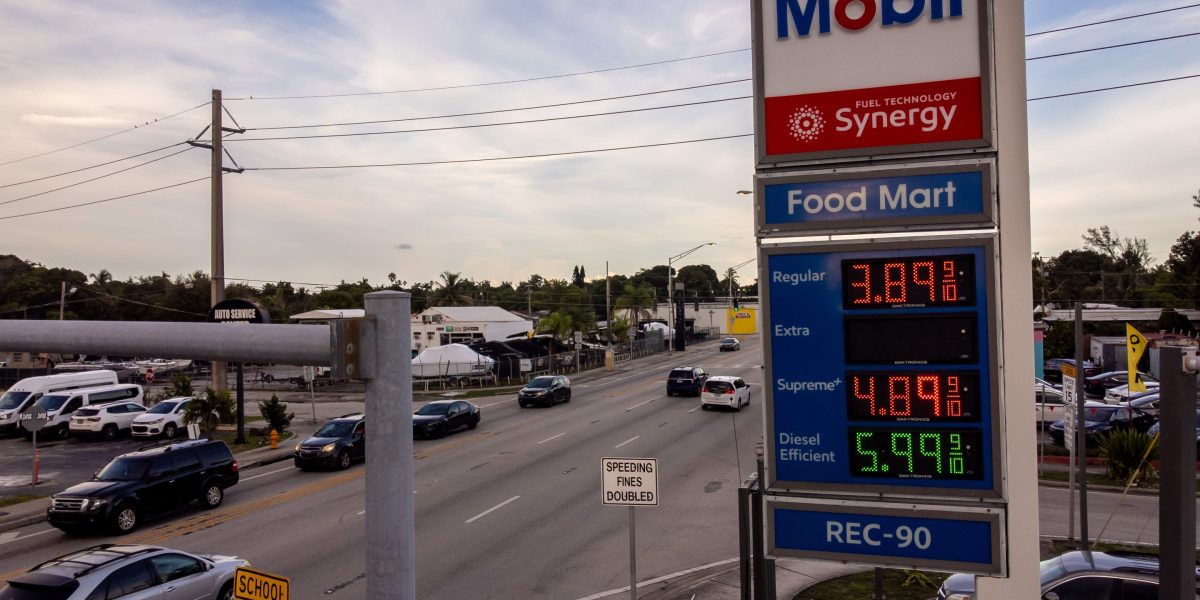
Source: Fortune
Summary
Russia’s war in Ukraine has led to significant disruptions in global energy markets, with diesel prices reaching record highs. Ukraine’s successful drone attacks on Russian refineries have caused 40% of Russia’s refining capacity to go offline, leading to diesel export cuts and global supply shortages. U.S. diesel prices hit $5.85 per gallon, while gasoline prices reached a record $4.14 per gallon. Analysts say the global refining system is fragile, and the situation is expected to worsen in the coming months. Russia has shifted some refining to Kazakhstan and increased gasoline imports, further straining global supplies.
Our Reading
The numbers tell one story.
Russia’s refining network is under attack.
Ukraine’s drone strikes have crippled 40% of it.
Diesel exports are down, prices are up.
Global markets are feeling the squeeze.
Refining capacity is the new bottleneck.
Author: Evan Null
How the War in Ukraine Is Shaking Global Energy Markets
The war in Ukraine has had a ripple effect on global energy markets, with diesel prices hitting record highs. Russia’s refining infrastructure has been severely damaged by Ukrainian drone attacks, leading to a significant reduction in diesel exports. This has created a global supply shortage, driving up prices in the U.S. and around the world. Analysts say the situation is expected to worsen as refineries in North America and elsewhere prepare for maintenance and seasonal shifts in fuel production.
The impact of the war extends beyond Russia and Ukraine, affecting global oil and fuel supplies. Disruptions to pipelines, terminals, and refineries have created a complex web of challenges for energy markets. While some refineries in North America have stepped in to compensate, the overall supply of refined products remains tight. This has led to increased prices for both diesel and gasoline, with consumers feeling the effects through higher costs for food, goods, and services.
Russia has responded to the crisis by shifting some of its refining operations to Kazakhstan and increasing its imports of gasoline. This has further strained global fuel supplies and contributed to the price spikes. Analysts warn that the situation is unlikely to improve soon, with diesel prices expected to remain high through the fall. The combination of reduced refining capacity, supply chain disruptions, and increased demand is creating a perfect storm for energy markets.
The war has also led to increased tensions in the Middle East and other regions, with NATO and other powers taking steps to counter Russian influence. However, the focus remains on the impact of the war on energy markets, with analysts closely watching how the situation develops. The long-term effects of the war on global energy security and pricing remain uncertain, but the current trends suggest that the energy market is in for a difficult period.
As the war continues, the effects on global energy markets are becoming more pronounced. The combination of reduced refining capacity, supply chain disruptions, and increased demand is creating a complex and challenging environment for energy producers and consumers alike. Analysts are closely monitoring the situation, with many predicting that the current trends will continue for the foreseeable future.
Why Refining Capacity Is the New Battleground
The war in Ukraine has shifted the focus from oil production to refining capacity. While oil production has remained relatively stable, the damage to Russia’s refining network has created a major bottleneck in the global energy supply chain. This has led to a surge in diesel prices, as refineries struggle to meet demand. The situation is expected to worsen as more refineries go offline for maintenance and seasonal shifts in fuel production.
The impact of the war on refining capacity is not limited to Russia. Disruptions to pipelines, terminals, and other infrastructure have created a ripple effect across the global energy market. This has led to increased prices for both diesel and gasoline, with consumers feeling the effects through higher costs for food, goods, and services. Analysts warn that the situation is unlikely to improve soon, with diesel prices expected to remain high through the fall.
Russia has responded to the crisis by shifting some of its refining operations to Kazakhstan and increasing its imports of gasoline. This has further strained global fuel supplies and contributed to the price spikes. Analysts warn that the situation is unlikely to improve soon, with diesel prices expected to remain high through the fall. The combination of reduced refining capacity, supply chain disruptions, and increased demand is creating a perfect storm for energy markets.
The war has also led to increased tensions in the Middle East and other regions, with NATO and other powers taking steps to counter Russian influence. However, the focus remains on the impact of the war on energy markets, with analysts closely watching how the situation develops. The long-term effects of the war on global energy security and pricing remain uncertain, but the current trends suggest that the energy market is in for a difficult period.
As the war continues, the effects on global energy markets are becoming more pronounced. The combination of reduced refining capacity, supply chain disruptions, and increased demand is creating a complex and challenging environment for energy producers and consumers alike. Analysts are closely monitoring the situation, with many predicting that the current trends will continue for the foreseeable future.
The Global Energy Market Is in Turmoil
The war in Ukraine has created a major disruption in the global energy market, with diesel prices reaching record highs. The damage to Russia’s refining network has led to a significant reduction in diesel exports, creating a global supply shortage. This has driven up prices in the U.S. and around the world, with consumers feeling the effects through higher costs for food, goods, and services. Analysts say the situation is expected to worsen as refineries in North America and elsewhere prepare for maintenance and seasonal shifts in fuel production.
The impact of the war extends beyond Russia and Ukraine, affecting global oil and fuel supplies. Disruptions to pipelines, terminals, and refineries have created a complex web of challenges for energy markets. While some refineries in North America have stepped in to compensate, the overall supply of refined products remains tight. This has led to increased prices for both diesel and gasoline, with consumers feeling the effects through higher costs for food, goods, and services.
Russia has responded to the crisis by shifting some of its refining operations to Kazakhstan and increasing its imports of gasoline. This has further strained global fuel supplies and contributed to the price spikes. Analysts warn that the situation is unlikely to improve soon, with diesel prices expected to remain high through the fall. The combination of reduced refining capacity, supply chain disruptions, and increased demand is creating a perfect storm for energy markets.
The war has also led to increased tensions in the Middle East and other regions, with NATO and other powers taking steps to counter Russian influence. However, the focus remains on the impact of the war on energy markets, with analysts closely watching how the situation develops. The long-term effects of the war on global energy security and pricing remain uncertain, but the current trends suggest that the energy market is in for a difficult period.
As the war continues, the effects on global energy markets are becoming more pronounced. The combination of reduced refining capacity, supply chain disruptions, and increased demand is creating a complex and challenging environment for energy producers and consumers alike. Analysts are closely monitoring the situation, with many predicting that the current trends will continue for the foreseeable future.
How the War Is Reshaping the Global Energy Landscape
The war in Ukraine has had a profound impact on the global energy landscape, with diesel prices reaching record highs. The damage to Russia’s refining network has led to a significant reduction in diesel exports, creating a global supply shortage. This has driven up prices in the U.S. and around the world, with consumers feeling the effects through higher costs for food, goods, and services. Analysts say the situation is expected to worsen as refineries in North America and elsewhere prepare for maintenance and seasonal shifts in fuel production.
The impact of the war extends beyond Russia and Ukraine, affecting global oil and fuel supplies. Disruptions to pipelines, terminals, and refineries have created a complex web of challenges for energy markets. While some refineries in North America have stepped in to compensate, the overall supply of refined products remains tight. This has led to increased prices for both diesel and gasoline, with consumers feeling the effects through higher costs for food, goods, and services.
Russia has responded to the crisis by shifting some of its refining operations to Kazakhstan and increasing its imports of gasoline. This has further strained global fuel supplies and contributed to the price spikes. Analysts warn that the situation is unlikely to improve soon, with diesel prices expected to remain high through the fall. The combination of reduced refining capacity, supply chain disruptions, and increased demand is creating a perfect storm for energy markets.
The war has also led to increased tensions in the Middle East and other regions, with NATO and other powers taking steps to counter Russian influence. However, the focus remains on the impact of the war on energy markets, with analysts closely watching how the situation develops. The long-term effects of the war on global energy security and pricing remain uncertain, but the current trends suggest that the energy market is in for a difficult period.
As the war continues, the effects on global energy markets are becoming more pronounced. The combination of reduced refining capacity, supply chain disruptions, and increased demand is creating a complex and challenging environment for energy producers and consumers alike. Analysts are closely monitoring the situation, with many predicting that the current trends will continue for the foreseeable future.
The Ripple Effects of a War on Energy Markets
The war in Ukraine has created a major disruption in the global energy market, with diesel prices reaching record highs. The damage to Russia’s refining network has led to a significant reduction in diesel exports, creating a global supply shortage. This has driven up prices in the U.S. and around the world, with consumers feeling the effects through higher costs for food, goods, and services. Analysts say the situation is expected to worsen as refineries in North America and elsewhere prepare for maintenance and seasonal shifts in fuel production.
The impact of the war extends beyond Russia and Ukraine, affecting global oil and fuel supplies. Disruptions to pipelines, terminals, and refineries have created a complex web of challenges for energy markets. While some refineries in North America have stepped in to compensate, the overall supply of refined products remains tight. This has led to increased prices for both diesel and gasoline, with consumers feeling the effects through higher costs for food, goods, and services.
Russia has responded to the crisis by shifting some of its refining operations to Kazakhstan and increasing its imports of gasoline. This has further strained global fuel supplies and contributed to the price spikes. Analysts warn that the situation is unlikely to improve soon, with diesel prices expected to remain high through the fall. The combination of reduced refining capacity, supply chain disruptions, and increased demand is creating a perfect storm for energy markets.
The war has also led to increased tensions in the Middle East and other regions, with NATO and other powers taking steps to counter Russian influence. However, the focus remains on the impact of the war on energy markets, with analysts closely watching how the situation develops. The long-term effects of the war on global energy security and pricing remain uncertain, but the current trends suggest that the energy market is in for a difficult period.
As the war continues, the effects on global energy markets are becoming more pronounced. The combination of reduced refining capacity, supply chain disruptions, and increased demand is creating a complex and challenging environment for energy producers and consumers alike. Analysts are closely monitoring the situation, with many predicting that the current trends will continue for the foreseeable future.