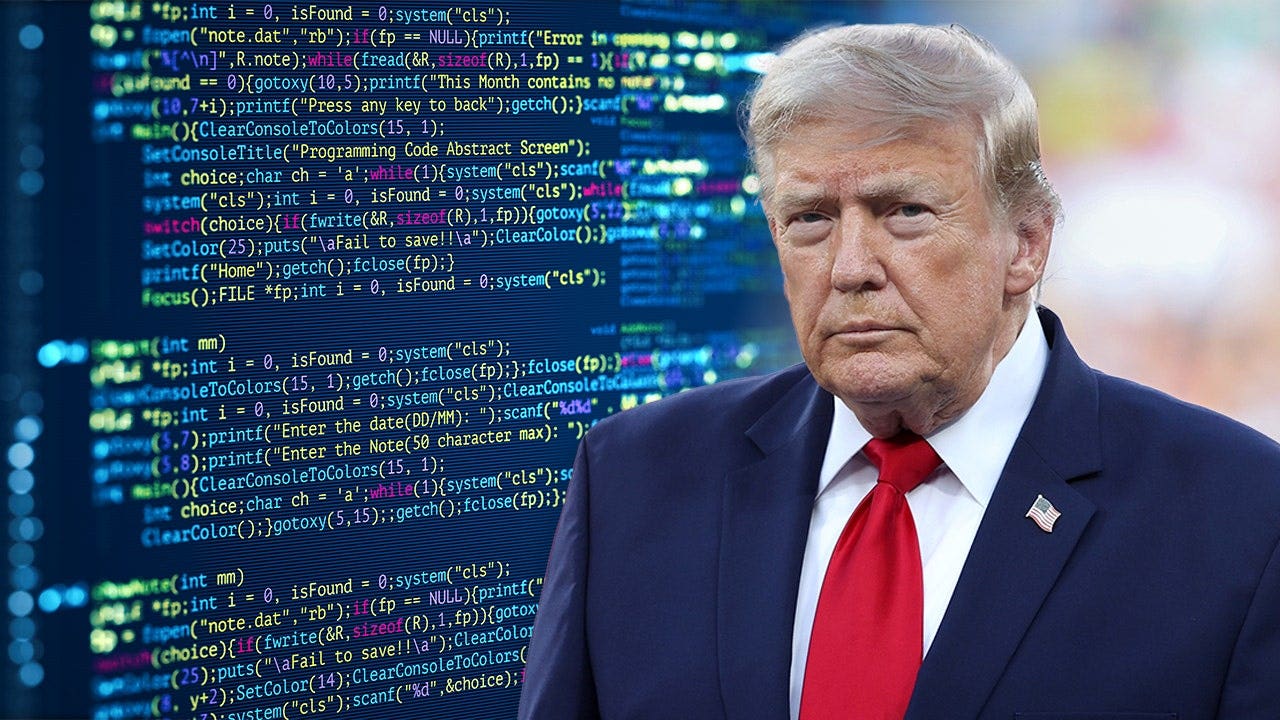
Source: Fox News
Summary
Experts compare growing concerns over artificial intelligence to the Y2K crisis, where fears of technological collapse were largely unfounded. Steven Milloy, founder of Junk Science, said the tech industry addressed Y2K issues, suggesting similar solutions could work for AI. Democrats call for AI regulation, citing risks to jobs and democracy, while the Trump administration promotes AI development. Former researcher Jacob Coxon warned of AI’s potential to “kill us all by the end of the decade.” A 2000 Senate report estimated the U.S. spent $100 billion on Y2K preparations.
Our Reading
As expected, the matter has reached another stage.
Experts compare AI fears to Y2K.
Democrats call for regulation, Republicans push for development.
Former researchers warn of existential risks.
History repeats with similar warnings and similar outcomes.
Author: Evan Null
Y2K and AI: A Pattern of Fear and Response
The comparison between Y2K and AI highlights a recurring pattern in how society responds to technological threats. Both situations involve widespread concern about potential system failures. In the case of Y2K, the fear was about computer systems failing when the date rolled over to 2000. With AI, the fear is about the technology becoming uncontrollable or harmful.
Experts like Steven Milloy argue that just as Y2K was addressed before it caused major issues, AI can also be managed with the right measures. He draws parallels between AI concerns and past climate change warnings, suggesting that fear often leads to calls for regulation without sufficient evidence.
Democrats, on the other hand, see AI as a serious threat that needs oversight. They cite potential risks such as job loss, inequality, and threats to democracy. This divide between those who see AI as a danger and those who see it as an opportunity is evident in political discourse.
The Trump administration has taken a different stance, emphasizing AI’s economic potential and opposing what it sees as unnecessary restrictions. This reflects a broader ideological split over how to approach emerging technologies.
As with Y2K, the outcome of AI’s development will likely depend on how well the challenges are addressed. Whether the fears will materialize or be mitigated remains to be seen, but the pattern of alarm and response seems familiar.
Political Rhetoric and Technological Fears
The political response to AI mirrors past reactions to other technological shifts. In the case of Y2K, there was a lot of alarm, but the actual impact was minimal. This pattern suggests that fears about new technologies often outpace their real-world consequences.
Political leaders and experts are using similar language to describe AI as an existential threat. This rhetoric can shape public opinion and influence policy decisions. It also reflects a broader trend of using fear to justify regulatory action.
At the same time, there are those who argue that the warnings are exaggerated. They point to past examples where fears were not realized, suggesting that AI may not be as dangerous as some claim. This debate highlights the tension between caution and innovation.
The comparison to Y2K also shows how the same concerns can be raised in different contexts. Whether it’s a new technology or a new threat, the response often follows a similar script. This can lead to a cycle of alarm, action, and eventual normalization.
As with Y2K, the outcome of the AI debate will depend on how well the risks are managed. The political and public response will play a key role in determining whether AI is seen as a threat or an opportunity.
Regulation and the Role of Government
The debate over AI regulation reflects a broader question about the role of government in managing technological change. Some argue that regulation is necessary to prevent harm, while others believe it could stifle innovation. This tension is evident in the political discourse around AI.
Democrats have called for government oversight, citing potential risks to jobs, democracy, and society. They argue that without regulation, AI could be used in ways that harm the public. This view is similar to past calls for regulation in response to other technological advancements.
Republicans, on the other hand, have been more supportive of AI development, emphasizing its economic benefits. They often frame regulation as a threat to progress, suggesting that it could slow down innovation. This reflects a broader ideological divide over the role of government in the economy.
The comparison to Y2K also raises questions about the effectiveness of regulation. In that case, the fears were largely unfounded, and the response was seen as excessive. This suggests that the same could happen with AI, with regulation being implemented without a clear threat.
Ultimately, the debate over AI regulation is part of a larger conversation about how society should respond to technological change. It involves balancing the need for caution with the desire for progress.
The Role of Media and Public Perception
The media plays a significant role in shaping public perception of AI and other emerging technologies. In the case of Y2K, the media amplified fears, leading to widespread concern. This pattern is repeating with AI, as news outlets highlight potential risks and dangers.
Experts and commentators often use dramatic language to describe AI, comparing it to past existential threats. This can create a sense of urgency, even when the actual risks are not well understood. The media’s role in this process is crucial, as it can influence public opinion and policy decisions.
At the same time, there are voices that challenge the alarmist narrative. They argue that the fears are exaggerated and that the benefits of AI should not be overlooked. This creates a polarized discourse, with different perspectives shaping the conversation.
The comparison to Y2K also shows how public perception can shift over time. What was once seen as a major threat may eventually be viewed as a manageable issue. This suggests that the current fears about AI may also be overblown.
As with Y2K, the media’s portrayal of AI will play a key role in how the public and policymakers respond. The way the issue is framed can have a lasting impact on the direction of AI development and regulation.
Historical Parallels and Future Implications
The comparison between Y2K and AI highlights the recurring nature of technological fears. In both cases, there was widespread concern about potential system failures, but the actual impact was much less severe. This pattern suggests that the current fears about AI may also be overblown.
Historical examples show that technological advancements often come with a period of alarm and uncertainty. This is followed by a gradual normalization as the technology becomes more understood. The same process may be happening with AI, as society grapples with its implications.
The political response to AI reflects a broader trend of using fear to justify action. This can lead to a cycle of alarm, regulation, and eventual normalization. The outcome will depend on how well the risks are managed and whether the fears are justified.
As with Y2K, the long-term impact of AI will depend on how it is developed and regulated. The current debate is shaping the future of AI, with different perspectives influencing the direction of policy and public opinion.
The historical parallels between Y2K and AI suggest that the current fears may not be as severe as they seem. However, the way the issue is handled will have lasting consequences for the development and use of AI in the future.