
Court Clears Path for Trump to End Haiti TPS
Source: Fox News
Summary
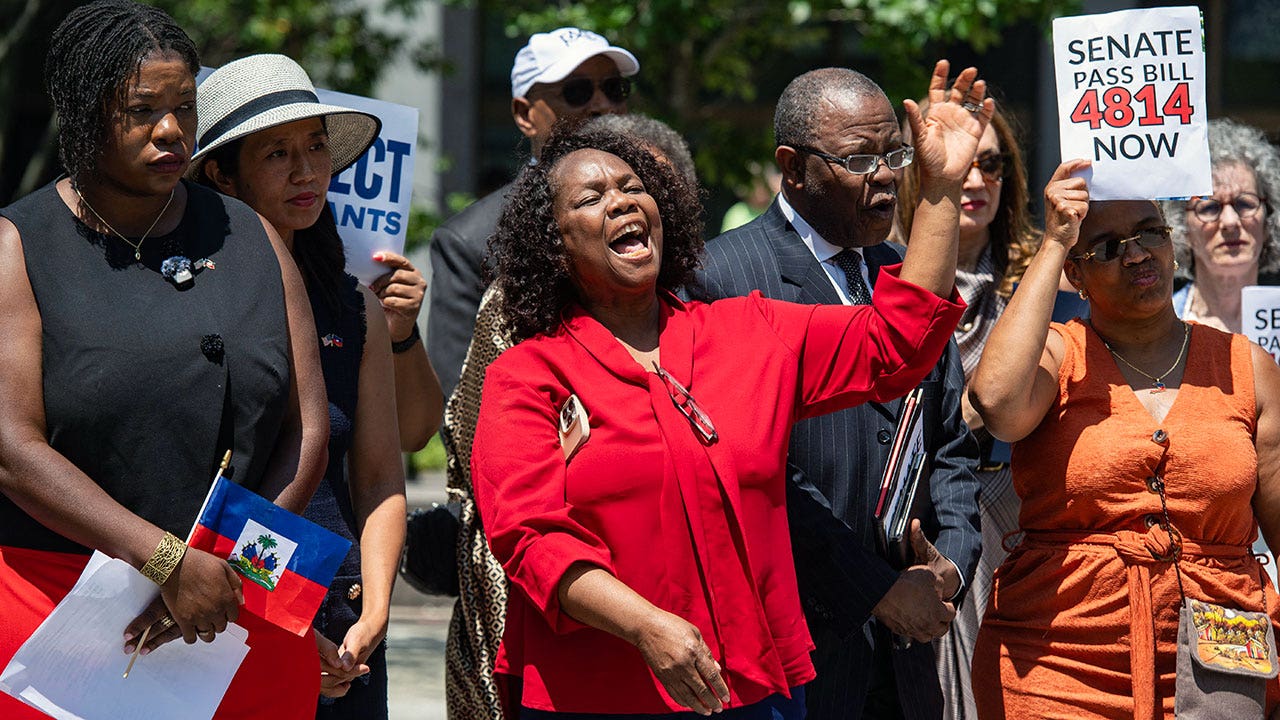
President Donald Trump has achieved a significant immigration victory after a federal judge acknowledged that the court order blocking the administration from ending Temporary Protected Status (TPS) for hundreds of thousands of Haitians is no longer in effect. The ruling follows the Supreme Court’s decision in Mullin v. Doe, which found that the TPS statute bars judicial review of the administration’s non-constitutional decisions to terminate TPS designations. The administration is no longer barred from moving forward with ending TPS protections for an estimated 330,000 to 350,000 Haitians living in the U.S.
Our Reading
As expected, the matter has reached another stage.
The controversy surrounding the TPS designation for Haitians has been a longstanding issue, with the Biden administration expanding and extending protections for hundreds of thousands of Haitians already living in the U.S. The Trump administration’s decision to terminate the designation was met with legal challenges, which ultimately reached the Supreme Court. The Court’s ruling has now paved the way for the administration to move forward with ending TPS protections for Haitians. The issue has been a centerpiece of the 2024 election, with Trump and his running mate JD Vance blaming the Biden administration’s Haiti TPS policies for the influx of Haitian migrants into Springfield, Ohio. The Trump administration’s victory is seen as a significant win for the president’s immigration agenda.
The sequence of events has followed a familiar pattern: a court order, a Supreme Court ruling, and a subsequent acknowledgment that the order is no longer in effect. The administration’s decision to terminate the TPS designation has been met with resistance, but ultimately, the legal challenges have been overcome. The outcome is a testament to the Trump administration’s persistence in pursuing its immigration agenda.
And so, the process continues, with the administration moving forward with ending TPS protections for Haitians, and the affected individuals facing an uncertain future.
Author: Evan Null