Source: Fortune.com
Summary
A six-figure salary no longer guarantees financial security as inflation and rising costs have eroded its value. Walmart and Dollar General report that even higher-income shoppers are turning to discount retailers. Dollar General CEO Todd Vasos noted that consumers earning $100,000 or more are acting like lower-income shoppers due to sustained inflation. Gas prices have risen to $4.476 per gallon, and other expenses like utilities and food have also increased. A Harris Poll survey found that 64% of six-figure earners view their income as the bare minimum to stay afloat. Despite this, consumers remain resilient, with retail sales showing growth in August.
Our Reading
The numbers tell one story.
High earners are shopping like the less affluent.
Gas prices and inflation have changed spending habits.
Even $100,000 feels like a stretch.
Resilience is the new normal, but it’s not enough.
Author: Evan Null
Salary No Longer a Shield
A six-figure salary used to be a symbol of success, but it no longer offers the financial security it once did. Inflation has reduced the real value of $100,000, forcing even middle- and upper-middle-class earners to adopt more frugal habits. This shift is evident in the growing number of high-income shoppers turning to discount retailers like Walmart and Dollar General.
Discount Retailers See a Shift
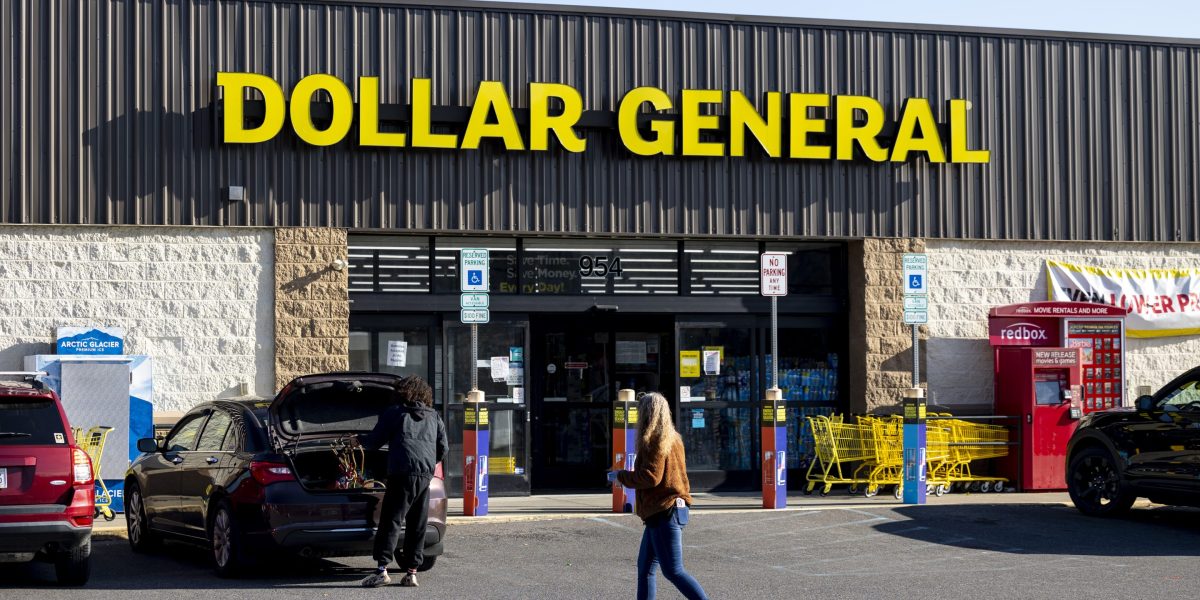
Dollar General CEO Todd Vasos highlighted that even those earning $100,000 a year are behaving like lower-income shoppers. This is due to sustained inflation and rising costs across essential categories like gas, utilities, and food. The company’s strategy of offering 2,000 items at or below $1 has become more relevant in this environment.
Gas Prices and Economic Pressure
The national average for gasoline has risen to $4.476 per gallon, up from $3.189 a year ago. This increase, combined with higher diesel prices, has made goods more expensive. Consumers are adapting by shopping more frequently and buying less at a time, as they struggle to manage unpredictable expenses.
High-Income Shoppers Feel the Squeeze
A Harris Poll survey found that 64% of six-figure earners see their income as the bare minimum to stay afloat. Even those making $200,000 or more are using financial tools typically associated with lower-income households, such as rewards points, “buy now, pay later” plans, and credit cards. This trend highlights the growing economic anxiety among high earners.
Reassessing the Poverty Line
Michael Green, a financial strategist, argues that the real poverty line should be $140,000 based on current spending patterns. Conventional measures fail to capture the true financial strain on households, even those with six-figure incomes. This reevaluation suggests that economic hardship is more widespread than previously thought.