Source: Fox News
Summary
Artificial intelligence infrastructure is creating demand for blue-collar workers in the U.S., as construction firms seek to build data centers, power systems, and related facilities. Skilled trades are becoming more valuable, with workers needed for site preparation, concrete pouring, and electrical installation. Cole Renken of Merlo America said the trades offer stable income and lifestyle. A report predicts U.S. construction spending will rise to $2.85 trillion by 2031, with industrial construction reaching $684 billion. Data centers, driven by AI and cloud computing, require workers at every stage of development. Brittany Kaiser of Alpha Compute said data centers need ongoing maintenance and expansion, creating long-term jobs. However, skilled labor shortages could challenge the growing industry.
Our Reading
As expected, the matter has reached another stage.
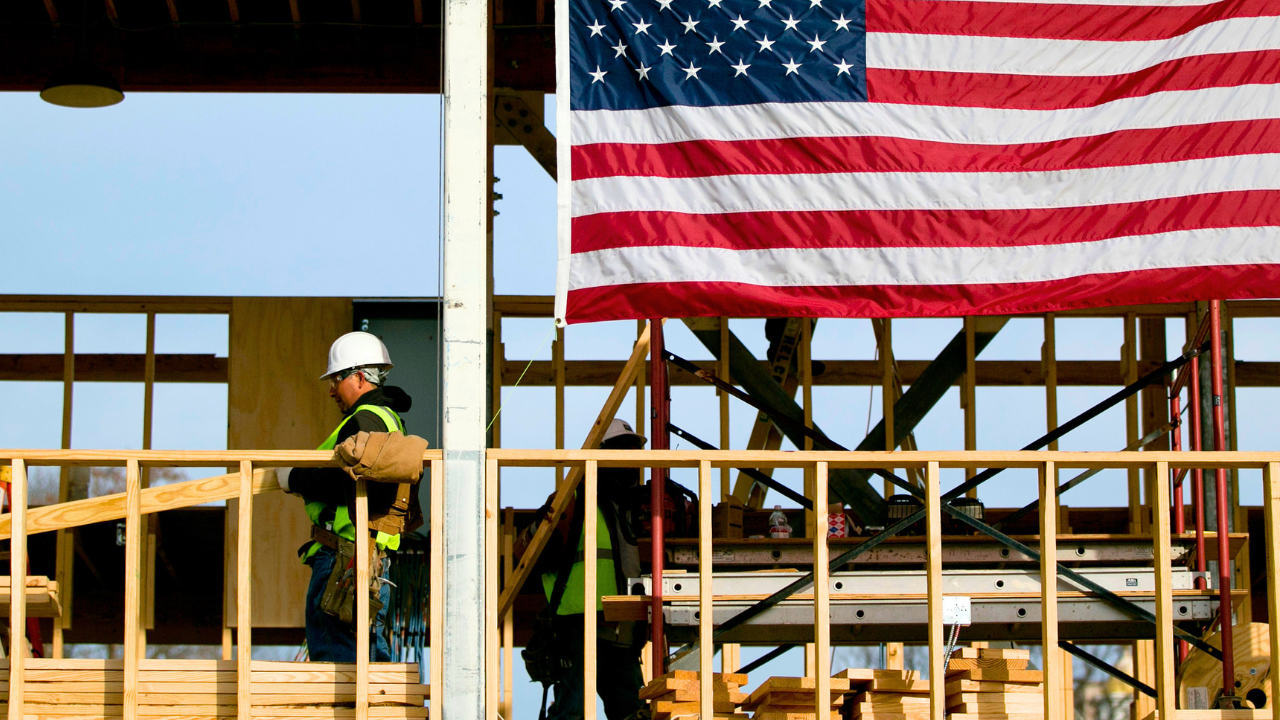
Workers pour concrete, install wiring, move heavy equipment.
Executives talk about stability, training, and long-term jobs.
Reports predict growth, but shortages linger.
Technology depends on hands, not just code.
Author: Evan Null
AI Infrastructure and the Blue-Collar Boom
The development of artificial intelligence is reshaping the U.S. job market, particularly in the construction sector. As companies race to build data centers and power systems, there is a growing need for skilled tradespeople. This shift has brought attention to careers in construction, which have historically been undervalued compared to high-tech professions.
Construction firms are now scrambling to fill roles that require expertise in site preparation, electrical systems, and infrastructure development. These jobs are seen as stable and well-paying, offering an alternative to traditional tech careers. The demand for workers is rising as AI and cloud computing continue to expand, creating a new wave of industrial projects.
Industry leaders, such as Cole Renken of Merlo America, emphasize the importance of skilled labor in supporting AI infrastructure. They argue that while technology is advancing rapidly, it still relies on physical construction and maintenance. This has led to renewed interest in the trades, with some companies investing in training programs to develop a qualified workforce.
Despite the opportunities, challenges remain. Skilled labor shortages have persisted for years, and the growing demand for workers could exacerbate these issues. Companies are now looking to communities to help train new employees, offering education initiatives to bring more people into the field.
The focus on infrastructure highlights a broader trend: even the most advanced technologies require human effort. As AI continues to evolve, the role of blue-collar workers in building and maintaining its foundation remains essential. This shift is not just about technology—it’s about the people who make it possible.
Construction Spending and Industrial Growth
According to a report by Merlo America and BiltData.ai, U.S. construction spending is expected to increase significantly over the next decade. The report forecasts a rise from $2.22 trillion in 2026 to $2.85 trillion by 2031. This growth is driven by the need for new infrastructure to support AI, cloud computing, and 5G technology. Industrial construction, which includes data centers and factories, is projected to reach $684 billion by 2031, making up 24% of total construction spending.
Data centers are a key component of this expansion, as they serve as the backbone for AI and cloud services. Their construction requires a wide range of skilled workers, from heavy-equipment operators to electricians and plumbers. As these facilities grow, they also require ongoing maintenance and support, creating long-term employment opportunities.
Executives in the industry stress that the demand for skilled labor is not temporary. Unlike traditional construction projects, data centers are often described as “constant construction projects” that require workers across multiple stages of development. This ongoing need has led to calls for more investment in training and education to prepare workers for specialized roles.
The shift in focus to the trades reflects a broader recognition of their value in the modern economy. While high-tech careers have dominated recent discussions, the physical infrastructure that supports them is just as important. This has led to a renewed interest in skilled labor, with some companies looking to partner with local communities to develop a pipeline of qualified workers.
Despite the optimism, challenges remain. Labor shortages have been a persistent issue in the construction industry, and the growing demand for workers could make it harder to meet project timelines. However, the potential for long-term employment and stable income continues to attract attention, suggesting that the blue-collar workforce may play a key role in the future of AI infrastructure.
The Role of Skilled Trades in AI Development
The expansion of AI infrastructure has created a new demand for skilled trades, particularly in construction and electrical work. As data centers and power systems are built, workers are needed at every stage of the process, from site preparation to installation and maintenance. This has led to a renewed focus on the value of these careers, which have long been overshadowed by the emphasis on high-tech professions.
Industry leaders argue that the trades offer stable income and a reliable lifestyle, making them an attractive option for workers looking for long-term opportunities. Companies are now investing in training programs to develop a qualified workforce, recognizing that the growth of AI infrastructure depends on the availability of skilled labor. This has led to increased collaboration between industry and local communities, with efforts to provide education and training for those interested in entering the field.
Despite the growing demand, challenges remain. Skilled labor shortages have been a persistent issue, and the rapid pace of development could make it difficult to find enough workers to meet the needs of expanding projects. However, the potential for long-term employment and the stability of these roles continue to draw attention, suggesting that the blue-collar workforce will play a critical role in the future of AI development.
The shift in focus to the trades highlights a broader trend: even the most advanced technologies require human effort. As AI continues to evolve, the role of construction workers, electricians, and other skilled professionals in building and maintaining its foundation remains essential. This has led to a renewed appreciation for the value of these careers, with some companies looking to invest in training and education to support their growth.
The growing demand for skilled labor also reflects a broader change in how the economy is structured. While high-tech careers have dominated recent discussions, the physical infrastructure that supports them is just as important. This shift is not just about technology—it’s about the people who make it possible, and the roles they play in shaping the future of AI and related industries.
Community Engagement and Workforce Development
As the demand for skilled workers in AI infrastructure grows, companies are increasingly looking to local communities for support. This has led to the development of education and training initiatives aimed at preparing individuals for specialized roles in construction, electrical work, and maintenance. These programs are designed to provide access to higher-paying jobs for people who may not have had the opportunity to develop the necessary skills in the past.
Brittany Kaiser of Alpha Compute emphasized the importance of these initiatives, noting that data centers require a wide range of workers throughout their lifecycle. From installation and monitoring to maintenance and expansion, the need for skilled labor is ongoing. This has created a new opportunity for communities to engage with the industry, offering training programs that can help individuals transition into these roles.
Industry leaders argue that the growth of AI infrastructure presents a unique chance to revitalize the trades and provide stable employment for a new generation of workers. By investing in education and training, companies can help address labor shortages while also supporting the long-term development of the industry. This approach not only benefits the companies but also provides opportunities for individuals looking for reliable, well-paying jobs.
However, the success of these initiatives depends on the willingness of communities to participate and the availability of resources to support training programs. While some companies have already begun working with local organizations, the scale of the challenge remains significant. The growing demand for skilled workers means that more investment will be needed to ensure that the workforce can keep up with the pace of development.
Despite these challenges, the potential for long-term employment and stable income continues to attract attention. The shift in focus to the trades reflects a broader recognition of their value in the modern economy, and the opportunities they provide for individuals seeking a reliable career path. As AI infrastructure continues to expand, the role of skilled workers in building and maintaining its foundation will remain essential.
The Future of AI and the Workforce
The rapid development of AI infrastructure is reshaping the job market, particularly in the construction and skilled trades sectors. As companies build data centers, power systems, and other facilities, there is a growing need for workers with expertise in site preparation, electrical installation, and maintenance. This shift has brought renewed attention to careers that have long been undervalued, highlighting their importance in supporting the growth of high-tech industries.
Industry leaders emphasize that the demand for skilled labor is not temporary. Unlike traditional construction projects, data centers often require ongoing maintenance and expansion, creating long-term employment opportunities. This has led to a renewed focus on training and education, with companies working to develop a pipeline of qualified workers. These efforts are aimed at addressing labor shortages and ensuring that the workforce can keep up with the pace of development.
Despite the opportunities, challenges remain. Skilled labor shortages have persisted for years, and the growing demand for workers could make it harder to meet project timelines. However, the potential for stable income and long-term employment continues to attract attention, suggesting that the blue-collar workforce will play a critical role in the future of AI infrastructure.
The shift in focus to the trades reflects a broader trend: even the most advanced technologies require human effort. As AI continues to evolve, the role of construction workers, electricians, and other skilled professionals in building and maintaining its foundation remains essential. This has led to a renewed appreciation for the value of these careers, with some companies looking to invest in training and education to support their growth.
The growing demand for skilled labor also reflects a broader change in how the economy is structured. While high-tech careers have dominated recent discussions, the physical infrastructure that supports them is just as important. This shift is not just about technology—it’s about the people who make it possible, and the roles they play in shaping the future of AI and related industries.