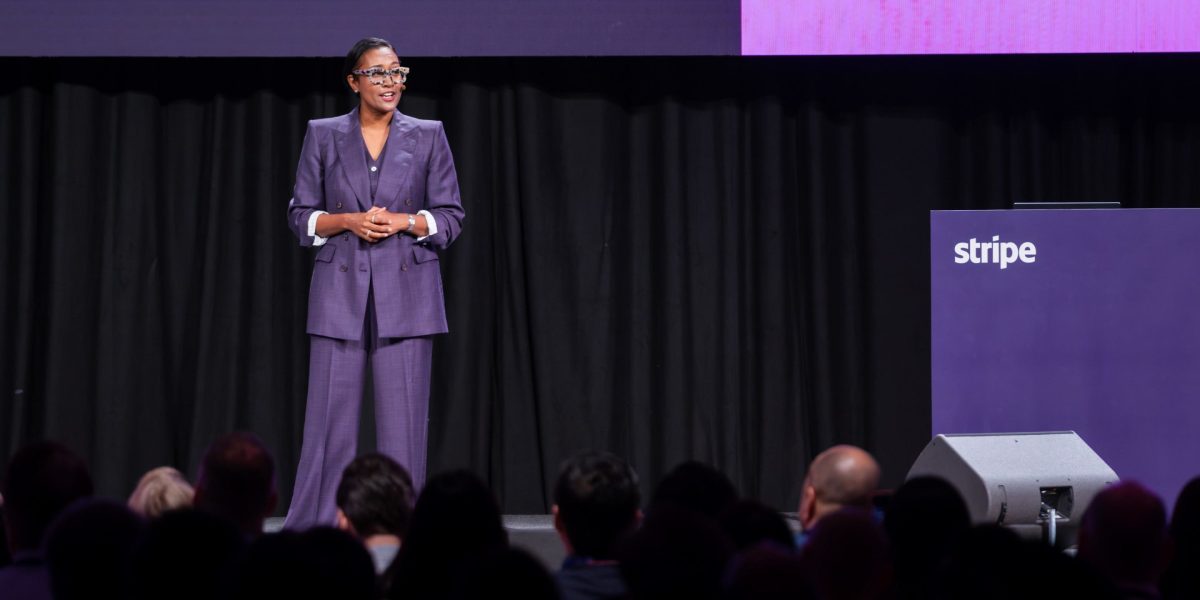
Source: Fortune
Summary
Coinbase CEO Brian Armstrong announced the layoff of 14% of the company’s workforce and a restructuring of the organization to adapt to the AI era. The move is part of a larger trend of companies reorganizing to keep pace with technological change. A new index from KPMG found that 81% of executives say their boards have raised expectations for organizational adaptability, but only 30% of executives say their organization’s structures, roles, and processes can reconfigure quickly as business needs change. The report also found that companies are investing more in new technology than in employee training, and that the industries most focused on innovation are not the most adaptable.
Our Reading
The numbers tell one story. Coinbase’s restructuring is just the beginning of a larger trend of companies reorganizing to keep pace with technological change. The KPMG index found that companies are struggling to adapt to the changing business landscape, with only 30% of executives saying their organization’s structures, roles, and processes can reconfigure quickly. The report also found that companies are prioritizing technology investment over employee training, which could have negative consequences for workers. The trend towards “megamanagers” and flatter hierarchies is also on the rise, with companies like Meta and Coinbase leading the way. The future of work is uncertain, but one thing is clear: companies must adapt to survive.
Coinbase’s move is a bet that the old command-and-control machine cannot survive the AI era. The company is capping its hierarchy at five layers and increasing its employee-to-manager ratio to 15-to-1. Meta’s new applied engineering team runs at a 50-to-1 ratio, and the broader “megamanager” trend has pushed the average manager’s span of control to 12.1 employees, up from 10.9 in 2024. The KPMG data bears this out in sometimes uncomfortable detail. Only 30% of executives say their organization’s structures, roles, and processes can reconfigure quickly as business needs change.
The org chart of the American corporation is under pressure. AI is compressing timelines, flattening information asymmetries, and rewarding organizations that can act before the picture is complete. The executives who built their careers in the old machine are now being asked to rewire it while it’s running. The future organization is just equity holders and essential workers with LLMs in between.
The management layer that most Fortune 500 org charts are built around is not just being challenged. It is structurally threatened. The future of work is uncertain, but one thing is clear: companies must adapt to survive. The KPMG index found that companies are struggling to adapt to the changing business landscape, with only 30% of executives saying their organization’s structures, roles, and processes can reconfigure quickly. The report also found that companies are prioritizing technology investment over employee training, which could have negative consequences for workers.
Author: Evan Null