Source: Fortune.com
Summary
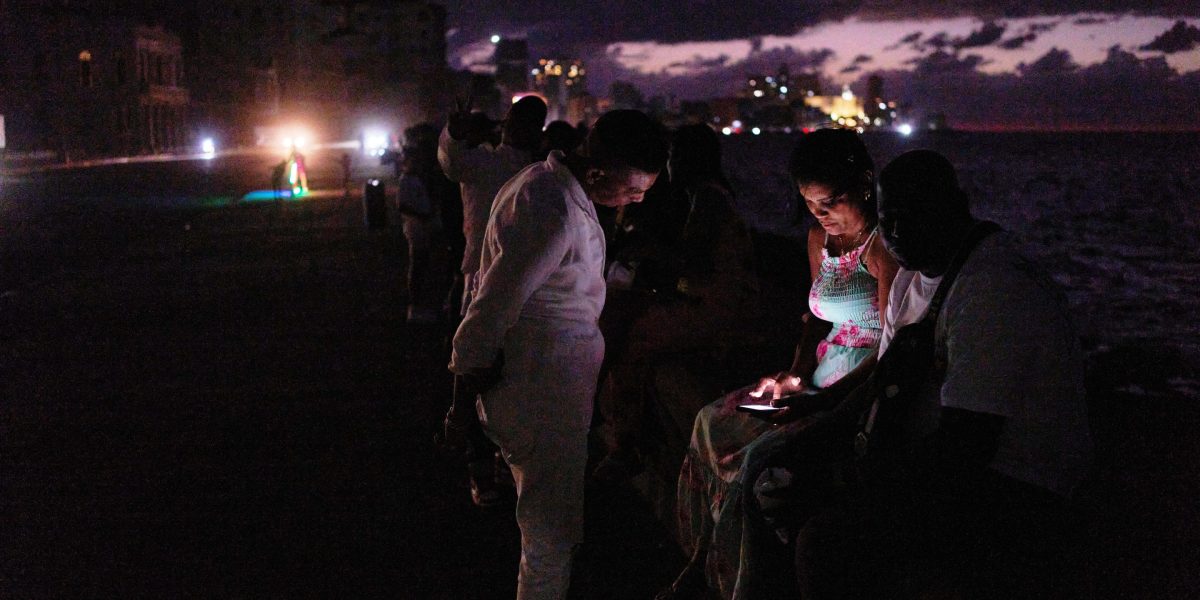
Cuba’s energy system began to restore on Sunday after a nationwide collapse left millions without power for the third time this month. The government reported that 72,000 customers in Havana had electricity again, but the city’s population of 2 million remains largely affected. Cuba is facing an energy crisis due to its aging grid and US sanctions, which have led to a shortage of oil. The government has blamed the US energy blockade, while President Miguel Díaz-Canel has said the island has not received oil from foreign suppliers for three months.
Our Reading
The numbers tell one story.
Cuba’s energy crisis is not just about numbers, but about the daily lives of its citizens, who are struggling with constant blackouts, reduced work hours, and damage to household appliances. The government’s efforts to restore power are a temporary solution to a deeper problem. The US sanctions have had a significant impact on Cuba’s economy, and the removal of Venezuela’s former President Nicolás Maduro has halted critical petroleum shipments. The situation is not just about politics, but about the human cost of economic pressure.
Cuba’s government is trying to survive, but the constant outages are taking a toll on its citizens. The Vice Minister of Energy and Mines Argelio Abad Vigo has acknowledged the seriousness of the situation, and President Díaz-Canel has said that the island has not received oil from foreign suppliers for three months. The situation is a perfect storm of economic and political pressure.
The announcement sounds familiar. Cuba’s energy crisis is not new, but the current situation is unprecedented. The government is trying to find solutions, but the US sanctions are a significant obstacle. The situation is a reminder that economic pressure can have a significant human cost.
Author: Evan Null