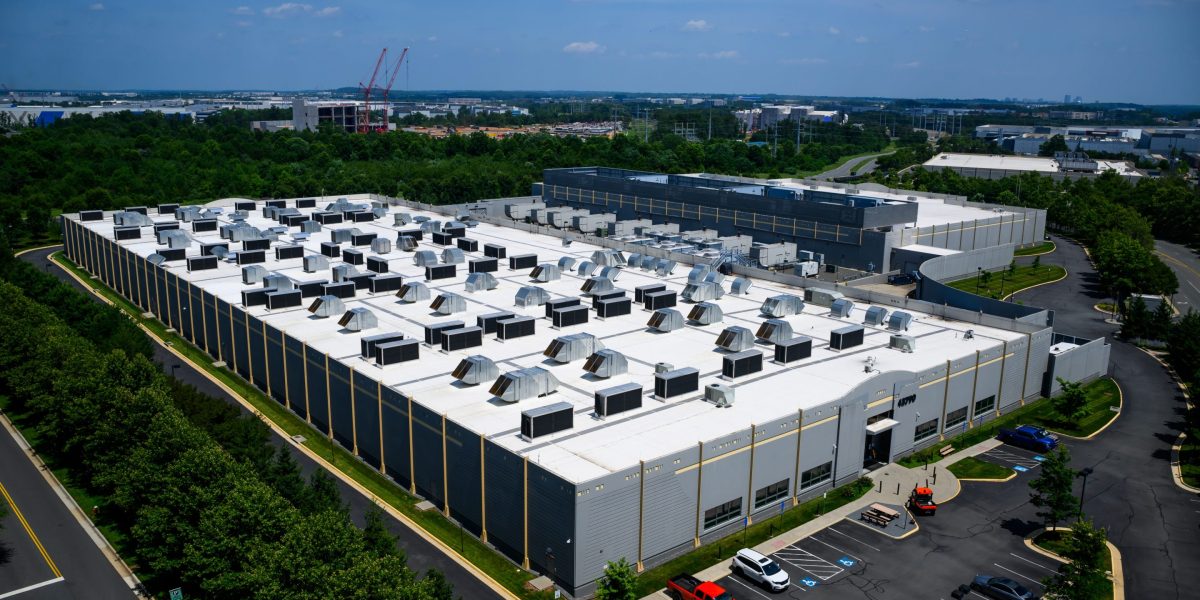
—
Source: Fortune
Summary
Data centers are expanding rapidly across the U.S., with nearly 5,000 facilities now operating in all 50 states. Hyperscalers are driving much of this growth, and many states offer tax incentives to attract data center development. These incentives include exemptions from sales, property, and use taxes, with eligibility varying by state. Some states require minimum capital investments or job creation metrics. A report by Good Jobs First found that at least 14 states failed to disclose tax revenue losses from these incentives. Illinois, for example, saw a sharp increase in tax-exempt data center projects between 2020 and 2024.
Our Reading
The numbers tell one story.
Hyperscalers expand, states offer tax breaks, and eligibility rules vary widely.
Illinois saw 27 tax-exempt data center projects by 2024, up from six in 2020.
Some states require $2 million in investment, others $450 million.
The tax breaks are a trade-off for local revenue, but the economic impact is unclear.
Author: Evan Null
AI Data Center Expansion
The U.S. is seeing a surge in data center construction, driven by the AI boom. With nearly 5,000 data centers across all 50 states, the growth is largely fueled by hyperscalers. These large tech companies are pushing for more facilities, and states are offering tax incentives to attract them. The incentives include exemptions from sales and use taxes, property taxes, and other financial transactions, which can significantly reduce costs for data center operators.
Tax Incentives Across States
Eligibility for tax incentives varies by state, with some requiring substantial capital investments, others setting minimum square footage or employment thresholds. For example, Texas requires at least $200 million in investment, while Maine sets a minimum square footage requirement. New York, on the other hand, has no minimum investment requirement and offers broad tax exemptions for data center expenditures.
Illinois and the Tax Exemption Shift
Illinois has seen a sharp increase in tax-exempt data center projects, from six in 2020 to 27 by 2024. The state offers exemptions from sales and use taxes on essential equipment, and also provides a 20% income tax credit on wages for construction workers. These incentives are valid for up to 20 years, with renewable five-year increments, and are contingent on continued investment from the data centers.
Financial Impact on States
The tax incentives are causing significant revenue losses for some states. A report by Good Jobs First found that at least 14 states failed to disclose these losses. In Illinois, the state stopped providing annual revenue-loss numbers in 2023. The financial burden is growing as more data centers qualify for exemptions, leading some states to reconsider their tax incentive strategies.
Economic Benefits and Drawbacks
While data centers can bring short-term economic benefits, such as increased employment and wages, the long-term impact is less clear. A Georgia Tech study found that employment rose by about 3.5%, wages by 5%, and household income by 2% with the opening of a data center. However, the study also noted that these gains are smaller than expected and not evenly distributed. Additionally, data centers can lead to higher electricity prices, which can strain local infrastructure and affect residents.