Source: Fortune.com
Summary
Iran launched missiles at U.S. naval vessels in the Persian Gulf, prompting the U.S. to destroy three Iranian oil tankers linked to the Islamic Revolutionary Guard Corps. U.S. Central Command said the strikes aimed to increase economic pressure on Iran. Analysts noted the attacks marked a new phase of escalation, with Iran targeting U.S. warships for the first time. Iran’s economy is under severe strain due to the naval blockade, and officials have acknowledged worsening conditions. The U.S. has warned of further sanctions against countries aiding Iran’s oil trade.
Our Reading
The numbers tell one story.
Iran attacked U.S. warships, then the U.S. hit Iranian tankers.
Economic pressure is rising on both sides.
Analysts see a new phase of conflict.
Escalation is likely to continue.
Author: Evan Null
Escalation in the Persian Gulf
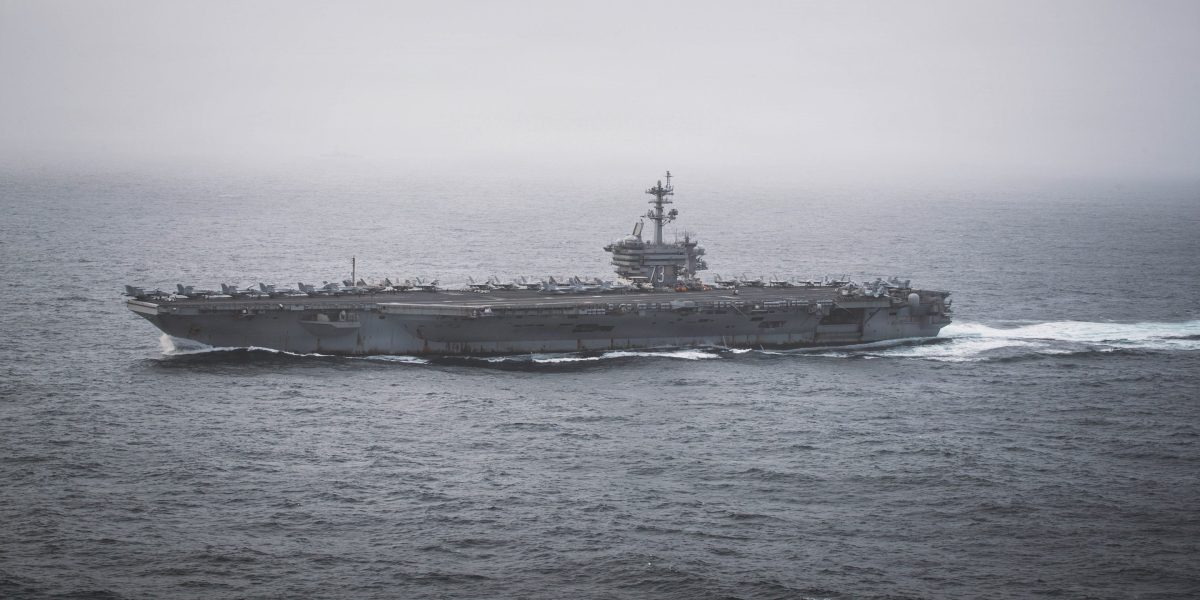
The conflict between the U.S. and Iran is intensifying, with both sides taking direct military actions. Iran launched missiles at U.S. naval vessels, a move that had not been seen before. In response, the U.S. targeted Iranian oil tankers, aiming to increase economic pressure on Tehran. This exchange signals a shift in the dynamics of the ongoing standoff.
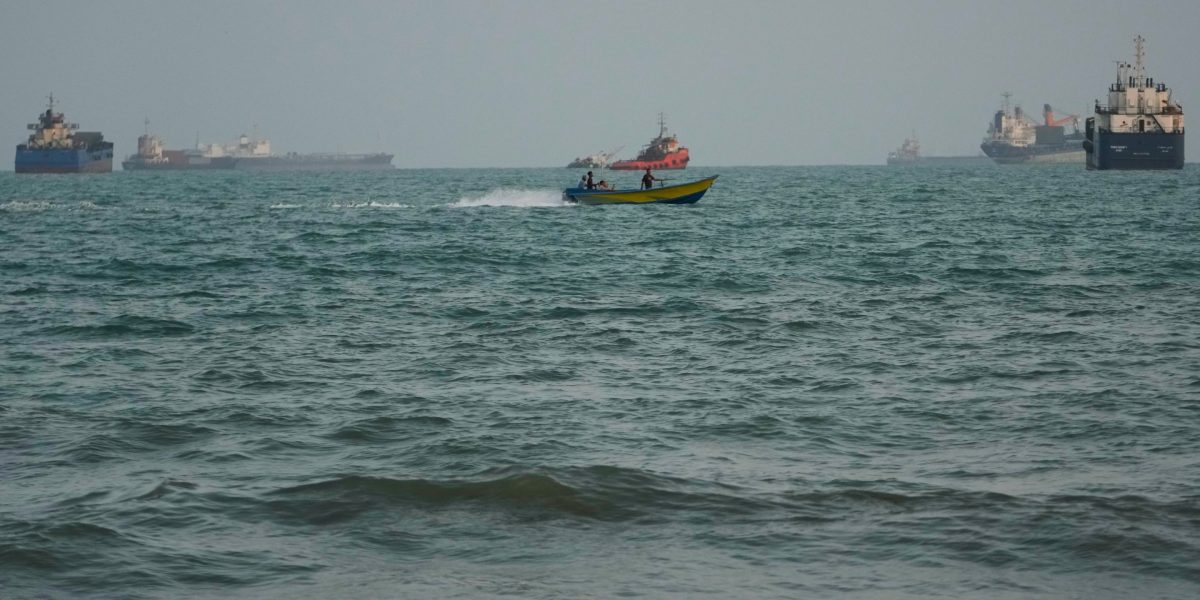
The Strait of Hormuz remains a critical chokepoint for global oil trade, and both nations are vying for control. Iran has struggled to fully close the strait, while the U.S. has failed to fully reopen it. The stalemate has led to rising oil prices and heightened tensions in the region. The latest attacks have further complicated the situation, with both sides showing no signs of backing down.
Analysts suggest that the recent military actions mark a new phase in the conflict. Iran’s attempt to strike U.S. warships represents a significant escalation, as previous attacks had been limited to commercial vessels. The U.S. response has been swift, targeting Iranian assets linked to the Islamic Revolutionary Guard Corps. This pattern of retaliation is likely to continue as both sides seek to assert dominance.
The economic pressure on Iran is growing, with the U.S. naval blockade crippling its economy. Iranian officials have admitted that conditions are dire, and time is running out. The U.S. has also threatened wider sanctions against countries that support Iran’s illicit trade. However, analysts warn that increased pressure may not deter Iran, as it could see the actions as existential and respond with even greater risk.
The involvement of external actors, such as Russia, adds another layer of complexity. Reports suggest that Russia is helping Iran develop advanced missile technology, which could change the balance of power in the region. If successful, such weapons could force the U.S. to move its forces farther away, reducing the effectiveness of the naval blockade. This potential shift could lead to further escalation and a more volatile situation in the Persian Gulf.