Source: Fortune.com
Summary
The U.S. military struck three Iranian oil tankers, claiming they were part of a network funding Iran’s Revolutionary Guard. Two tankers were permanently disabled, and one was destroyed. The attack followed recent missile strikes on U.S. Navy ships, with no U.S. casualties reported. The U.S. said it would “if necessary, destroy Iran’s limited and exposed oil fleet.” The strikes come amid renewed hostilities after months of fluctuating conflict. Negotiations between the U.S. and Iran have collapsed, and the situation remains volatile.
Our Reading
The numbers tell one story.
U.S. military says three Iranian tankers hit. Two disabled, one destroyed.
No U.S. casualties, but attacks on Navy ships continue.
Iran’s oil fleet now a target. U.S. Central Command warns of more action.
Conflict escalates as negotiations fail and tensions rise.
Author: Evan Null
U.S. Military Strikes Iranian Oil Tankers
The U.S. military confirmed it struck three Iranian oil tankers, describing the action as a response to recent attacks on U.S. Navy ships. The strikes were part of an ongoing conflict that has seen both sides inflict military and economic damage. The U.S. said the tankers were linked to Iran’s Revolutionary Guard and its regional proxies, and that the attacks were intended to disrupt their funding.
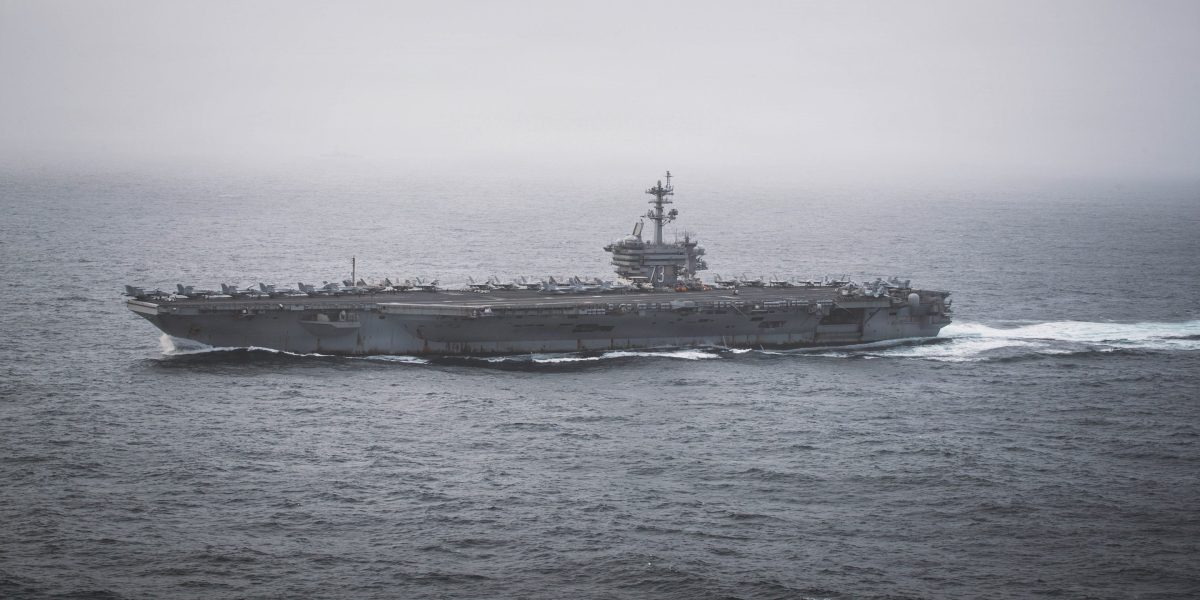
The military statement said the attacks occurred in the Gulf of Oman and near Kharg Island, a key oil export hub. Two of the tankers were permanently disabled, and the third was destroyed. No U.S. personnel were injured in the attacks, and the U.S. aircraft carrier and destroyer involved in the operation were able to evade multiple missile strikes.
The strikes came after a period of relative calm, with both sides resuming attacks in recent days. The U.S. has been increasing pressure on Iran through economic sanctions, while Iran’s new leadership has shown a willingness to endure long-term sanctions. The conflict has also seen attacks on civilian targets, including a U.S. strike that killed at least five people during a wedding in southern Iran.
The situation remains tense as negotiations between the U.S. and Iran have collapsed. The original issue of Iran’s nuclear program was meant to be addressed through talks, but those efforts stalled after a memorandum of understanding was signed in mid-June. Instead, the focus has shifted to control of the Strait of Hormuz, a critical route for global oil and gas shipments.
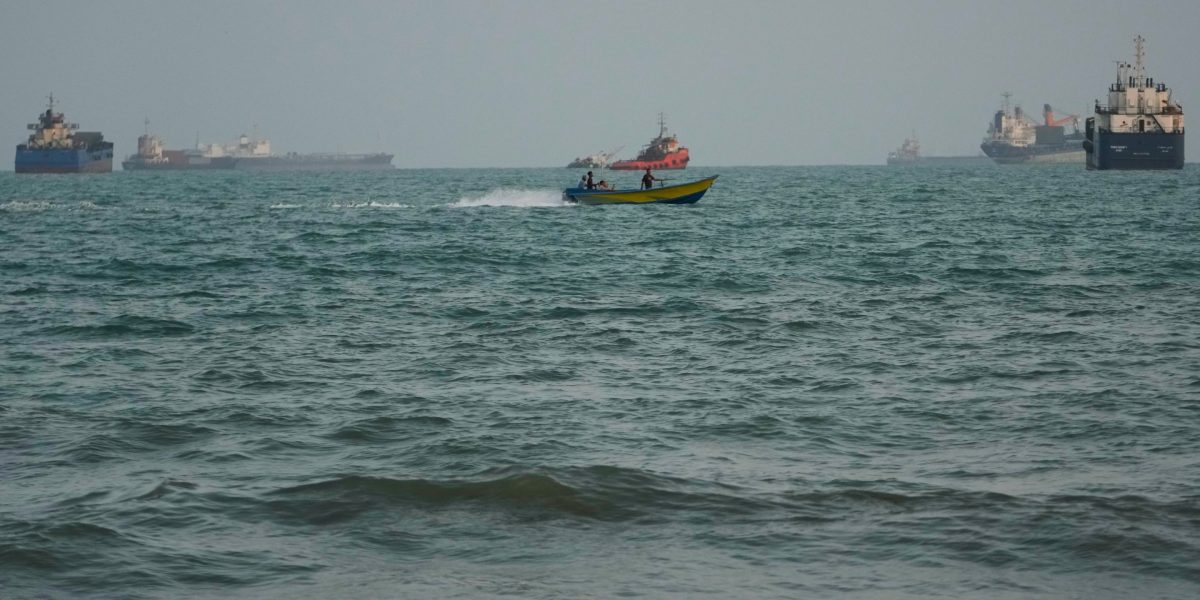
The U.S. military has been assisting ships in navigating the strait, which has become a flashpoint in the conflict. Despite the ongoing hostilities, overall shipping traffic remains low, and the situation continues to escalate as both sides assert their positions.
Escalation of Tensions Between U.S. and Iran
The recent U.S. strikes on Iranian oil tankers mark a significant escalation in the ongoing conflict between the two nations. The U.S. has taken a more aggressive stance, targeting what it calls Iran’s “limited and exposed oil fleet.” This move comes after a series of attacks on U.S. Navy ships, including missile strikes that forced the U.S. to respond with force.
The military’s statement emphasized that the attacks were a defensive measure, aimed at protecting U.S. forces and preventing further escalation. However, the strikes also signal a shift in strategy, as the U.S. appears to be targeting Iran’s economic infrastructure to weaken its ability to fund military operations.
Iran has not yet issued a formal response, but state media reported that U.S. missiles struck a tanker near Kharg Island. The island, which is a major oil export terminal, has been a target in previous attacks, including U.S. strikes on military sites in March. The continued targeting of this area suggests that the U.S. is focusing on disrupting Iran’s economic and military capabilities.
The conflict has been marked by a cycle of attacks and counterattacks, with both sides seeking to inflict damage on the other. The U.S. has also been working to increase pressure on Iran through economic sanctions, while Iran’s new leadership has shown a willingness to endure long-term sanctions and continue its military activities.
As the situation continues to deteriorate, the risk of further escalation remains high. The U.S. has made it clear that it will take action if necessary, and Iran has shown no signs of backing down. The conflict is now entering a new phase, with both sides preparing for a prolonged and potentially more dangerous confrontation.
Impact on Global Oil Markets
The recent U.S. strikes on Iranian oil tankers have raised concerns about the stability of global oil markets. The Strait of Hormuz, a critical route for oil and natural gas shipments, has become a focal point in the conflict. The U.S. has been working to ensure that shipping traffic remains open, but the ongoing hostilities have led to increased uncertainty in the region.
Despite the attacks, shipping traffic through the strait has remained low, indicating that the conflict is having a measurable impact on global supply chains. The U.S. military has been assisting ships in navigating the strait, but the continued targeting of vessels by Iran has made the route more dangerous.
The situation has also raised concerns about the potential for a wider conflict, which could disrupt global energy markets. The U.S. has warned that it will take further action if necessary, and Iran has signaled that it is prepared to continue its military activities. The outcome of this conflict could have significant implications for global oil prices and energy security.
The U.S. has also been working to increase pressure on Iran through economic sanctions, which have already had a significant impact on the country’s economy. However, Iran’s new leadership has shown a willingness to endure long-term sanctions and continue its military activities. This suggests that the conflict may persist for an extended period, with no clear resolution in sight.
As the situation continues to evolve, the impact on global oil markets will be closely watched. The U.S. and Iran are both preparing for a prolonged confrontation, and the outcome could have far-reaching consequences for the global economy.
Strategic Implications for the U.S. and Iran
The U.S. military’s decision to strike Iranian oil tankers represents a significant shift in strategy, as it moves from a more defensive posture to a more aggressive one. The strikes are part of a broader effort to weaken Iran’s military and economic capabilities, and to send a clear message that the U.S. will not tolerate attacks on its forces.
The move also reflects a growing frustration with Iran’s continued military activities and its refusal to engage in meaningful negotiations. The U.S. has been working to increase pressure on Iran through economic sanctions, but the country’s new leadership has shown a willingness to endure these pressures and continue its military operations.
The strikes on the oil tankers are likely to further strain relations between the U.S. and Iran, and could lead to more retaliatory actions from Tehran. The U.S. has warned that it will take further action if necessary, and Iran has not ruled out responding with force. This suggests that the conflict is entering a more dangerous phase, with both sides preparing for a prolonged confrontation.
The situation also has broader implications for the region, as other countries may be drawn into the conflict. The U.S. has been working to maintain stability in the region, but the ongoing hostilities have made this increasingly difficult. The outcome of this conflict could have significant consequences for the security and stability of the Middle East.
As the situation continues to escalate, the U.S. and Iran are both preparing for a prolonged and potentially more dangerous confrontation. The conflict is now entering a new phase, with both sides taking steps to strengthen their positions and prepare for further hostilities.
International Reactions and Diplomatic Implications
The U.S. strikes on Iranian oil tankers have drawn mixed reactions from the international community. While some allies have expressed support for the U.S. actions, others have called for de-escalation and a return to diplomacy. The conflict has also raised concerns among neutral countries, who are worried about the potential for wider regional instability.
The United Nations has called for calm and urged both sides to avoid further escalation. However, the U.S. and Iran have shown little willingness to engage in meaningful dialogue, and the situation remains volatile. The lack of a clear resolution to the conflict has led to increased uncertainty, with many countries watching the situation closely.
The strikes have also complicated efforts to address Iran’s nuclear program, which was meant to be a key focus of recent negotiations. Instead, the conflict has shifted to other issues, including control of the Strait of Hormuz and the targeting of oil infrastructure. This has made it more difficult to reach a comprehensive agreement on Iran’s nuclear activities.
The international community is also concerned about the potential for a wider conflict, which could have significant implications for global security. The U.S. has warned that it will take further action if necessary, and Iran has not ruled out responding with force. This suggests that the situation remains highly unpredictable, and that the risk of further escalation is high.
As the conflict continues to unfold, the international community will be closely monitoring the situation. The outcome of this conflict could have far-reaching consequences for global security, and the actions of both the U.S. and Iran will be closely watched by the world.