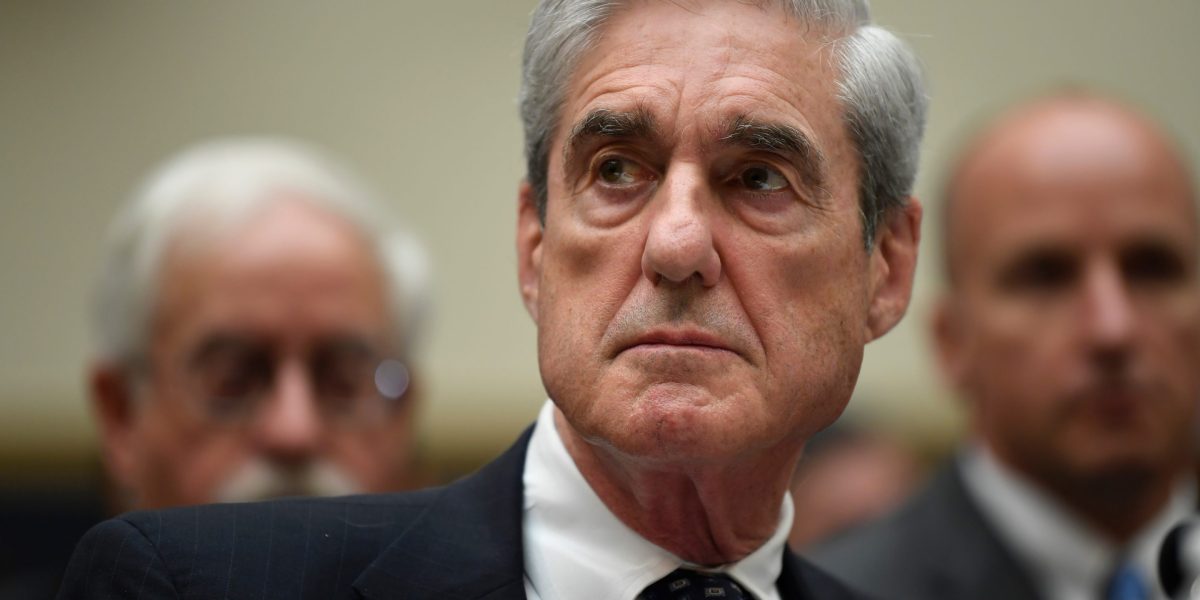
Source: Fortune.com
Summary
Robert S. Mueller III, former FBI director and special counsel, has died at 81. Mueller transformed the FBI into a terrorism-fighting force after the 9/11 attacks and later investigated ties between Russia and Donald Trump’s presidential campaign. He was a patrician Princeton graduate and Vietnam veteran who walked away from a lucrative midcareer job to stay in public service. Mueller’s tenure as special counsel was marked by a 448-page report that identified substantial contacts between the Trump campaign and Russia but did not allege a criminal conspiracy.
Our Reading
The numbers tell one story.
Mueller’s legacy is marked by his transformation of the FBI into a national security agency after 9/11. He oversaw a shift in the bureau’s mission, from solving domestic crime to preventing terrorism. Mueller’s tenure was also marked by his investigation into the Trump-Russia inquiry, which resulted in criminal charges against six of the president’s associates. Despite his reputation as a stern and taciturn leader, Mueller’s report did not deliver the knockout punch to the administration that some had hoped for.
Mueller’s career was defined by his passion for building successful criminal cases, from his early days as a federal prosecutor to his time as head of the FBI.
The announcement of Mueller’s death was met with a statement from Trump, who said “Robert Mueller just died. Good, I’m glad he’s dead.”
Mueller’s legacy will be remembered for his commitment to public service and his transformation of the FBI into a national security agency.
He was a man who walked away from a lucrative midcareer job to stay in public service, and his old-school, buttoned-down style made him an anachronism during a social media-saturated era.
Mueller’s story is one of a man who dedicated his life to public service, and his legacy will be remembered for years to come.
Author: Evan Null