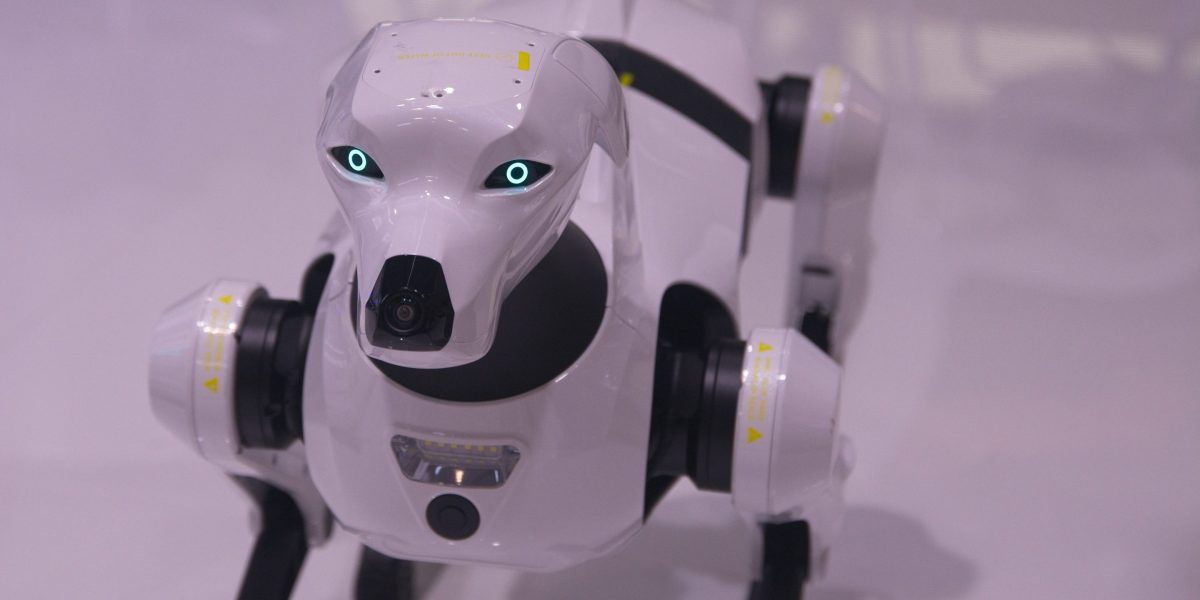
Source: Fortune.com
Summary
The Trump administration is considering using robot dogs as part of its immigration enforcement strategy, according to a market-research notice from US Immigration and Customs Enforcement (ICE). The agency is seeking input on purchasing “quadruped unmanned ground vehicles” and has outlined specifications for the technology. The move comes as civil liberties groups express concerns over increased ICE funding and the use of force in deportation efforts. ICE has also proposed spending up to $20 million on electric shock gloves for agents, according to a separate report. The agency has not confirmed whether it will proceed with a formal procurement process.
Our Reading
The numbers tell one story.
ICE is looking at robot dogs as part of its enforcement toolkit.
The agency also wants to spend $20 million on electric shock gloves.
Civil liberties groups are worried about the direction of ICE’s tech investments.
The government is still deciding if it will move forward with a contract.
Author: Evan Null
Robot Dogs in the Border War
The Trump administration is testing the limits of technology in immigration enforcement. ICE is considering the use of robot dogs, a move that signals a growing reliance on automation in law enforcement. These machines, designed to move like real animals, could be used for surveillance or patrol. The idea is to make enforcement more efficient and less reliant on human agents. But the use of such technology raises questions about privacy and the militarization of border control.
Electric Shock Gloves and More
In addition to robot dogs, ICE is also looking to equip agents with electric shock gloves. These gloves deliver a shock to a person’s skin and are intended for use during arrests. The agency has allocated up to $20 million for this technology, which has drawn criticism from human rights groups. The gloves are seen as a tool that could increase the use of force during deportations. Critics argue that such measures could lead to more aggressive enforcement tactics.
Civil Liberties Concerns
Civil liberties organizations are closely watching ICE’s technology investments. They fear that the use of robot dogs and shock gloves could lead to more invasive and potentially harmful enforcement practices. The push for more advanced tools comes as ICE faces scrutiny over its handling of detainees and the use of force. These concerns are not new, but the scale of the technology being considered is raising new alarms.
Market Research, Not a Guarantee
ICE’s market-research notice does not mean a contract is imminent. The agency is simply seeking information on the availability and cost of robot dogs. The notice also states that there is no guarantee of future orders. This is a common step in the procurement process, but it still signals a serious interest in the technology. The government is looking for options that could enhance its enforcement capabilities without committing to a full purchase yet.
Uncertain Future for ICE Tech
The future of ICE’s technology investments remains unclear. While the agency is exploring new tools, it is also facing pressure from critics and lawmakers. The use of robot dogs and shock gloves could become part of a broader strategy to increase deportations. However, the final decision will depend on political will, budget approvals, and public reaction. For now, the focus is on gathering information and assessing the feasibility of these new technologies.