Source: Fox News
Summary
A federal judge in California ordered the release of David Antonio Aviles Perez, an MS-13 gang member convicted of a 2014 murder in El Salvador, after finding that immigration officials detained him without a bond hearing or risk assessment. The Department of Homeland Security criticized the decision, calling it a threat to public safety. Aviles Perez was arrested in 2023 for attacking a homeless man and was later released. The judge ruled that immigration officials violated his due process rights by not evaluating his danger or flight risk. DHS said it would continue its immigration enforcement efforts despite the ruling.
Our Reading
As expected, the matter has reached another stage.
Judge Ohta found no process in Aviles Perez’s detention.
DHS called the release a danger to public safety.
Aviles Perez was released after five months in custody.
The process repeats, with politics and law tangled in routine.
Author: Evan Null
MS-13 Gang Member’s Release Sparks Political Outcry
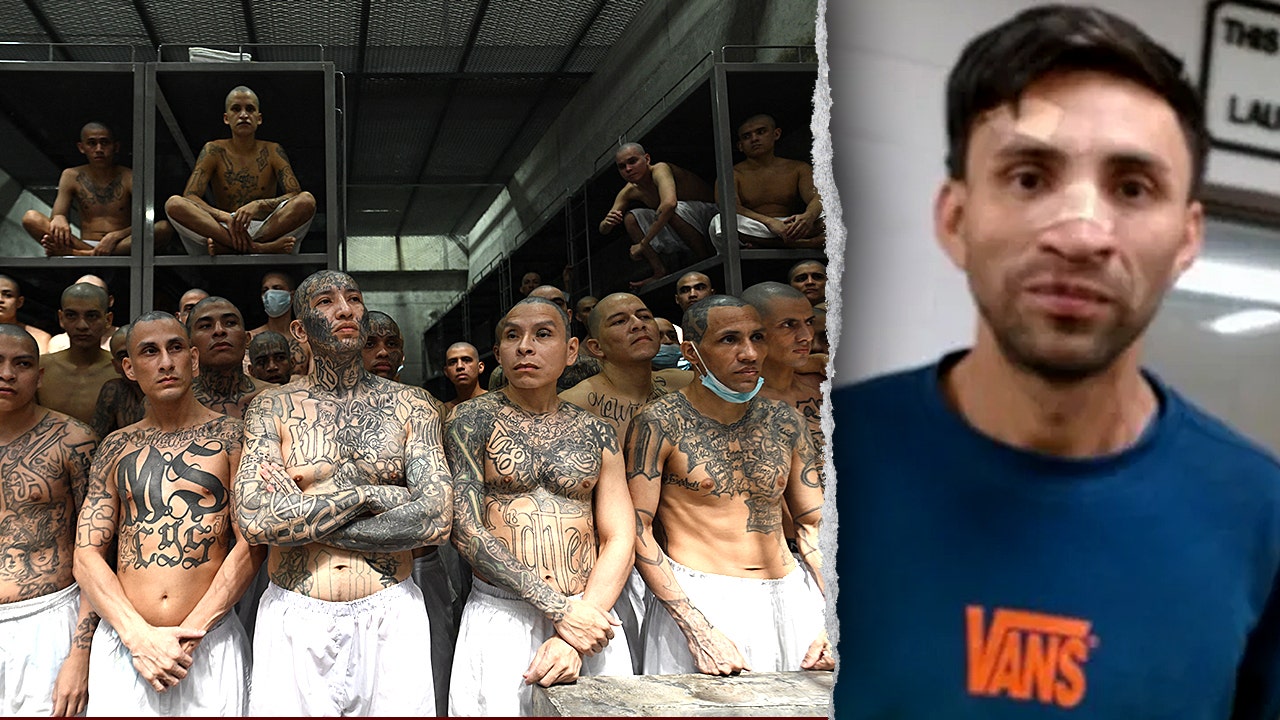
David Antonio Aviles Perez, a member of the MS-13 gang, was released from federal custody in California after a judge ruled that immigration officials violated his due process rights. The judge found that Aviles Perez was held without a bond hearing or risk assessment. The Department of Homeland Security criticized the decision, calling it a threat to public safety. Aviles Perez was previously convicted of a 2014 murder in El Salvador and was arrested in 2023 for attacking a homeless man. His release has sparked anger from the Trump administration, which claims the judge put American lives at risk.
The case highlights the ongoing legal battles over immigration detention and the political tensions surrounding sanctuary policies. Aviles Perez was released after five months in custody, and the judge ruled that immigration officials failed to evaluate his danger or flight risk. DHS said it would continue its immigration enforcement efforts despite the ruling. The judge’s decision has reignited debates about the balance between due process and public safety in immigration cases.
The release of Aviles Perez has also brought attention to the role of federal judges in immigration matters. Judge Jinsook Ohta, appointed by President Joe Biden, ruled that immigration officials did not follow proper procedures in detaining Aviles Perez. The Trump administration has long criticized such rulings, claiming they undermine immigration enforcement. The case underscores the political nature of immigration policy and the legal challenges that come with it.
Aviles Perez’s release has also raised questions about the effectiveness of sanctuary policies in California. The state’s policies limit cooperation between local authorities and federal immigration officials, which DHS claims puts public safety at risk. The judge’s decision to release Aviles Perez has been seen as a blow to the Trump administration’s immigration crackdown. Despite the ruling, DHS remains committed to its enforcement efforts, vowing not to be deterred by what it calls partisan games.
The case has drawn attention to the legal and political complexities of immigration detention. Aviles Perez’s release has sparked a debate about the rights of immigrants and the responsibilities of federal agencies. The judge’s ruling highlights the importance of due process in immigration cases, while the administration’s response reflects the broader political tensions surrounding immigration policy. As the legal battle continues, the case remains a focal point in the ongoing discussion about immigration enforcement and public safety.
Judge’s Ruling Sparks Controversy
Judge Jinsook Ohta’s decision to release David Antonio Aviles Perez has sparked controversy, with the Department of Homeland Security accusing her of endangering public safety. The judge ruled that immigration officials violated Aviles Perez’s due process rights by detaining him without a bond hearing or risk assessment. This has led to criticism from the Trump administration, which claims the ruling undermines immigration enforcement. Aviles Perez, a convicted MS-13 gang member, was released after five months in custody, prompting outrage from officials who believe he poses a threat to the public.
The case has highlighted the tension between due process and public safety in immigration matters. Judge Ohta’s ruling emphasized the need for individualized assessments before detaining immigrants, a standard that the Trump administration has often challenged. The administration’s response to the ruling reflects its broader stance on immigration enforcement, with officials vowing to continue their crackdown despite legal challenges. This has created a cycle of legal battles and political rhetoric that continues to shape the immigration debate.
The release of Aviles Perez has also drawn attention to the role of federal judges in immigration cases. Judge Ohta, appointed by President Joe Biden, has faced criticism from the Trump administration for her rulings on immigration detention. The case has become a symbol of the ongoing conflict between different political factions over immigration policy. As the legal process unfolds, the case remains a focal point in the broader discussion about the balance between individual rights and public safety.
The controversy surrounding Aviles Perez’s release has also brought attention to the legal challenges faced by immigrants in the U.S. The judge’s decision to release him has been seen as a victory for due process, but it has also raised concerns about the potential risks to public safety. The case underscores the complexity of immigration law and the difficult decisions that must be made when balancing individual rights with the needs of the broader community.
As the legal process continues, the case of David Antonio Aviles Perez serves as a reminder of the ongoing challenges in immigration policy. The judge’s ruling has sparked a debate about the role of the courts in immigration matters, while the administration’s response reflects the political nature of the issue. The case highlights the need for a balanced approach that respects due process while also addressing concerns about public safety.
Political Reactions and Legal Implications
The release of David Antonio Aviles Perez has led to strong political reactions, with the Trump administration condemning the decision as a threat to public safety. DHS Secretary Markwayne Mullin accused the judge of putting American lives at risk by releasing a “wanted murderer.” The administration has long criticized the judiciary for what it sees as an overreach in immigration matters, and this case has become another point of contention. The judge’s ruling has been framed as part of a broader pattern of judicial decisions that the administration believes undermine immigration enforcement.
The legal implications of the ruling are significant, as it highlights the need for individualized assessments in immigration detention. Judge Jinsook Ohta’s decision emphasized that immigration officials must evaluate each case before detaining an individual, a standard that the Trump administration has often opposed. This has led to a cycle of legal challenges and political rhetoric, with each side accusing the other of failing to protect public safety. The case has become a focal point in the ongoing debate over the role of the courts in immigration policy.
The political tensions surrounding the case reflect the broader divide in the U.S. over immigration enforcement. The Trump administration has consistently pushed for stricter immigration policies, while the Biden administration has taken a more cautious approach. The release of Aviles Perez has reignited these tensions, with officials on both sides using the case to advance their respective agendas. The legal battle over his detention has become a symbol of the larger struggle over the future of immigration policy in the country.
The case has also drawn attention to the role of sanctuary policies in California, which limit cooperation between local authorities and federal immigration officials. DHS has criticized these policies, claiming they put public safety at risk. The release of Aviles Perez has been seen as a direct result of these policies, further fueling the debate over their effectiveness. The case highlights the complex relationship between state and federal authorities in immigration enforcement and the challenges that come with it.
As the legal process continues, the case of David Antonio Aviles Perez remains a focal point in the ongoing discussion about immigration policy. The judge’s ruling has sparked a political backlash, with officials vowing to continue their enforcement efforts despite legal challenges. The case underscores the need for a balanced approach that respects due process while also addressing concerns about public safety. The outcome of this case could have lasting implications for the future of immigration policy in the United States.
Immigration Enforcement and Judicial Oversight
The release of David Antonio Aviles Perez has reignited debates over the balance between immigration enforcement and judicial oversight. Judge Jinsook Ohta’s decision to order his release was based on the argument that immigration officials failed to conduct a proper risk assessment before detaining him. This has led to criticism from the Trump administration, which claims that the ruling undermines efforts to protect public safety. The case highlights the ongoing tension between the judiciary and immigration enforcement agencies, with each side accusing the other of failing to uphold the law.
The legal process surrounding Aviles Perez’s release has become a focal point in the broader discussion about the role of the courts in immigration matters. Judge Ohta’s ruling emphasized the importance of due process, arguing that immigration officials must evaluate each case individually before making detention decisions. This has led to a cycle of legal challenges, with the Trump administration often opposing such rulings. The case reflects the broader political divide over how immigration enforcement should be handled, with different administrations taking varying approaches to the issue.
The controversy surrounding Aviles Perez’s release has also drawn attention to the legal challenges faced by immigrants in the U.S. The judge’s decision to release him has been seen as a victory for due process, but it has also raised concerns about the potential risks to public safety. The case underscores the complexity of immigration law and the difficult decisions that must be made when balancing individual rights with the needs of the broader community. As the legal battle continues, the case remains a focal point in the ongoing discussion about immigration policy.
The political reactions to the ruling have been swift, with officials from the Trump administration condemning the decision as a threat to public safety. DHS Secretary Markwayne Mullin accused the judge of putting American lives at risk, framing the release as a direct result of what he called “sanctuary politics.” The administration has vowed to continue its immigration enforcement efforts, despite the legal challenges. This has created a cycle of political rhetoric and legal battles that continues to shape the immigration debate.
The case of David Antonio Aviles Perez serves as a reminder of the ongoing challenges in immigration policy. The judge’s ruling has sparked a political backlash, with officials vowing to continue their enforcement efforts despite legal challenges. The case highlights the need for a balanced approach that respects due process while also addressing concerns about public safety. The outcome of this case could have lasting implications for the future of immigration policy in the United States.
Public Safety Concerns and Legal Challenges
The release of David Antonio Aviles Perez has raised significant concerns about public safety, with the Trump administration accusing the judge of endangering American lives. DHS Secretary Markwayne Mullin called the decision a threat to public safety, claiming that Aviles Perez, a convicted MS-13 gang member, poses a risk to the community. The administration has long criticized the judiciary for what it sees as an overreach in immigration matters, and this case has become another point of contention. The judge’s ruling has been framed as part of a broader pattern of judicial decisions that the administration believes undermine immigration enforcement.
The legal challenges surrounding Aviles Perez’s release highlight the complex relationship between immigration enforcement and judicial oversight. Judge Jinsook Ohta’s decision emphasized the need for individualized assessments in immigration detention, a standard that the Trump administration has often opposed. This has led to a cycle of legal battles, with each side accusing the other of failing to protect public safety. The case has become a focal point in the ongoing debate over the role of the courts in immigration policy.
The controversy surrounding Aviles Perez’s release has also drawn attention to the role of sanctuary policies in California, which limit cooperation between local authorities and federal immigration officials. DHS has criticized these policies, claiming they put public safety at risk. The release of Aviles Perez has been seen as a direct result of these policies, further fueling the debate over their effectiveness. The case highlights the complex relationship between state and federal authorities in immigration enforcement and the challenges that come with it.
The political tensions surrounding the case reflect the broader divide in the U.S. over immigration enforcement. The Trump administration has consistently pushed for stricter immigration policies, while the Biden administration has taken a more cautious approach. The release of Aviles Perez has reignited these tensions, with officials on both sides using the case to advance their respective agendas. The legal battle over his detention has become a symbol of the larger struggle over the future of immigration policy in the country.
As the legal process continues, the case of David Antonio Aviles Perez remains a focal point in the ongoing discussion about immigration policy. The judge’s ruling has sparked a political backlash, with officials vowing to continue their enforcement efforts despite legal challenges. The case underscores the need for a balanced approach that respects due process while also addressing concerns about public safety. The outcome of this case could have lasting implications for the future of immigration policy in the United States.