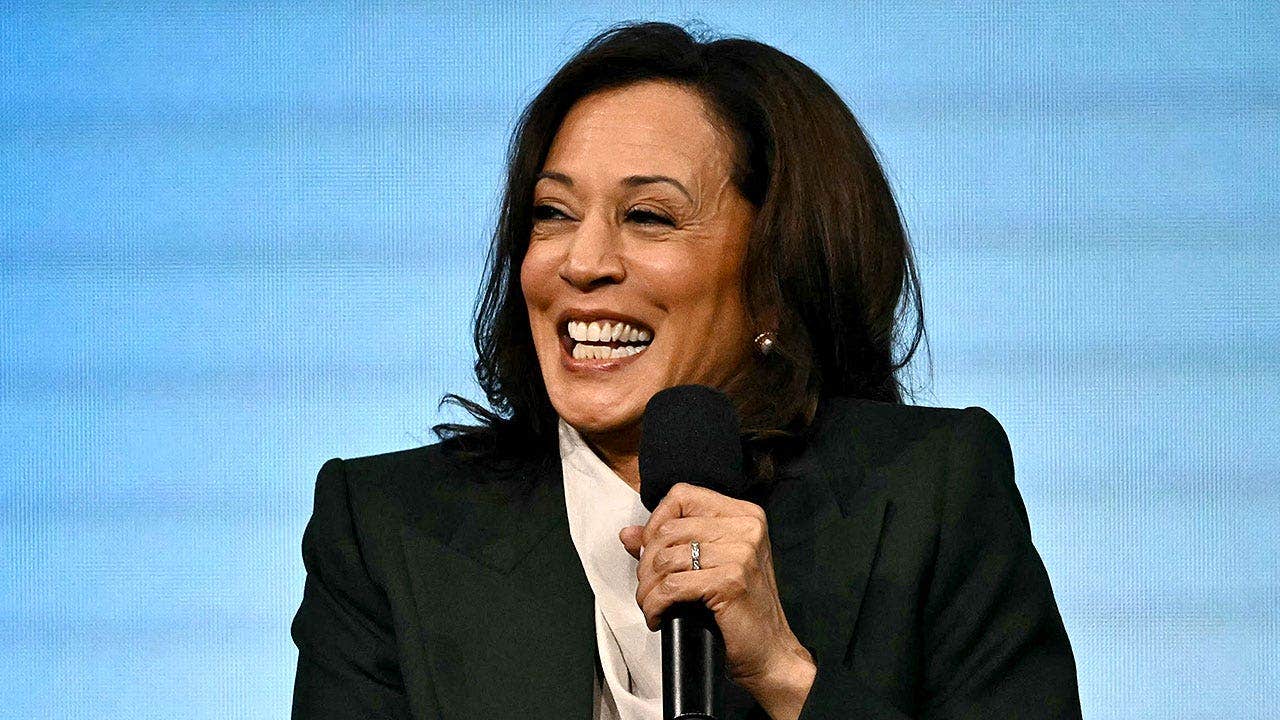
Source: Fox News
Summary
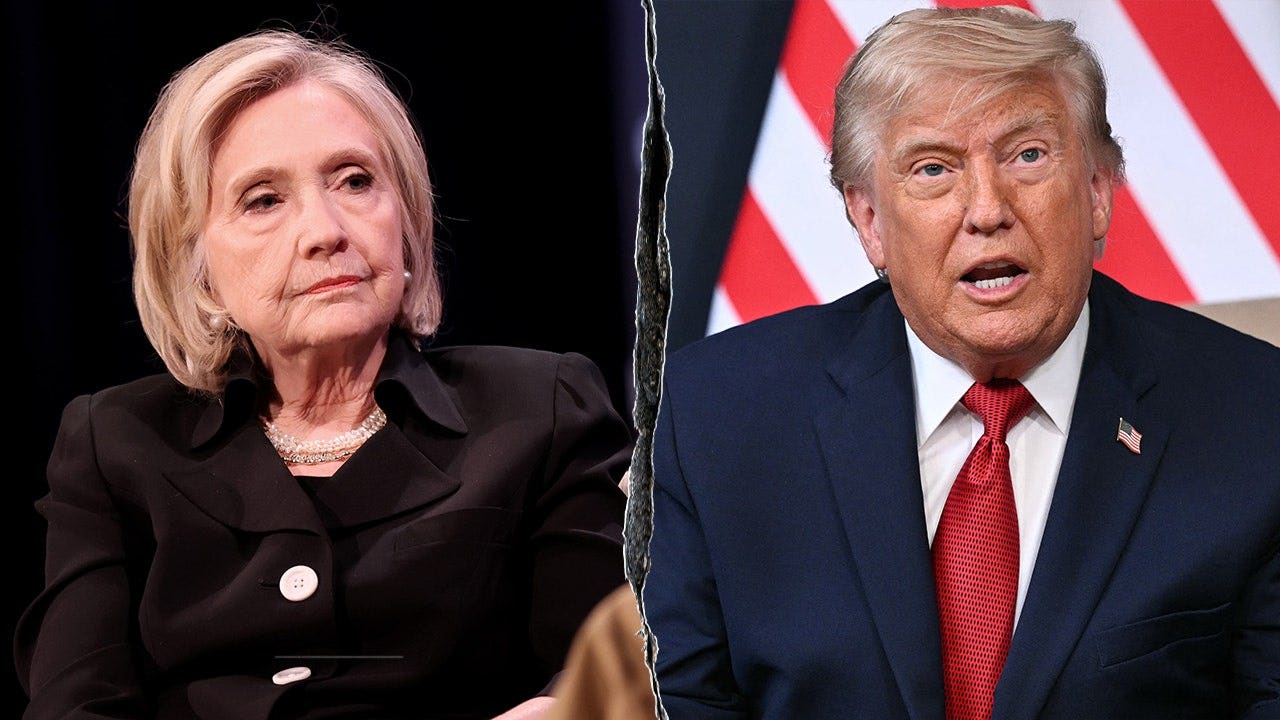
Kamala Harris warned that Republicans are “trying to cheat” in the 2026 midterms, using the phrase “too big to rig” in a video urging Democratic turnout. The phrase was previously used by Donald Trump during the 2024 campaign. Harris cited a Supreme Court ruling that allowed parts of Trump’s mail-voting policy to move forward. A federal judge temporarily blocked the Postal Service from enforcing the new mail-ballot requirements. Critics on social media mocked Harris for echoing Trump’s rhetoric.
Our Reading
As expected, the matter has reached another stage.
Harris repeats a phrase used by Trump.
Critics mock her for borrowing his language.
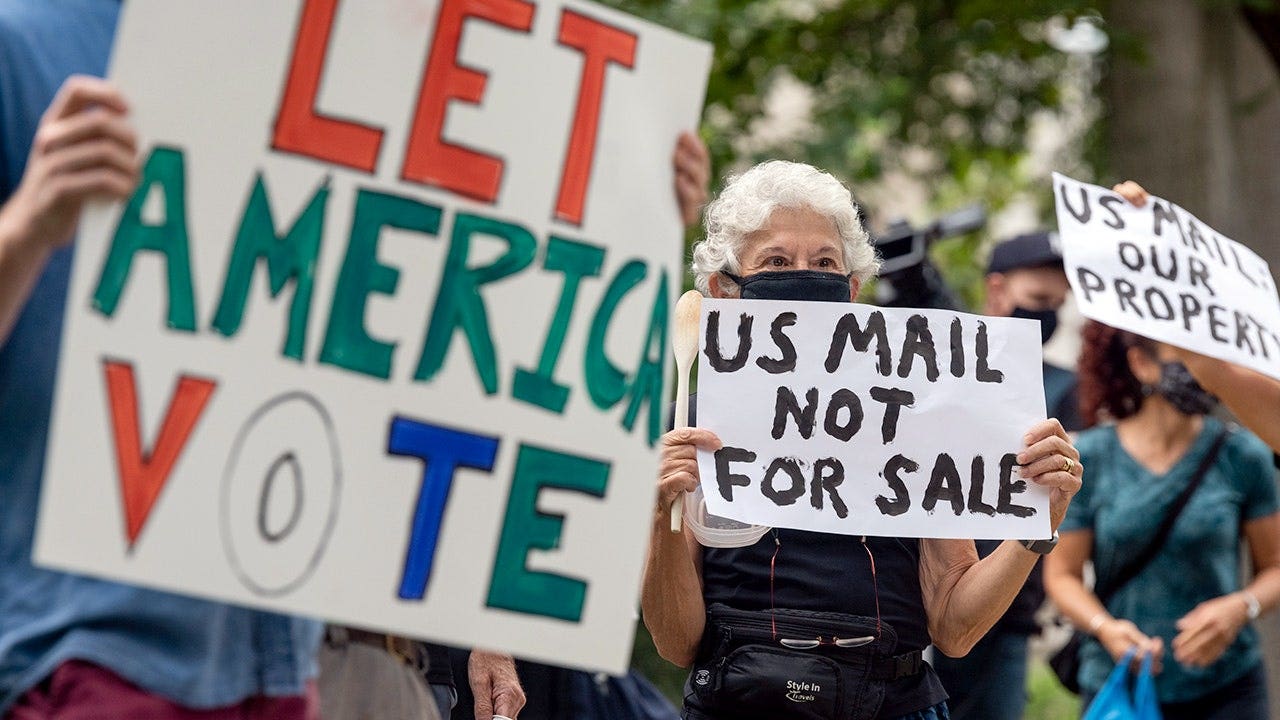
She warns of voting restrictions while citing a court decision.
Another round of legal battles looms before the midterms.
Author: Evan Null
2026 Midterms State of Play
The 2026 midterms are shaping up as a key battleground for political power. With the upcoming elections, the focus is on critical races, especially in states like Michigan, where candidates such as Stevens and El-Sayed are competing fiercely. The political climate is tense, with both parties preparing for a significant showdown.
The state of play is influenced by various factors, including the current political landscape and the ongoing debates over voting rights. The Supreme Court’s recent ruling on Trump’s mail-voting order has added another layer of complexity to the situation. This decision has sparked discussions about the integrity of the electoral process and the potential impact on voters.
As the midterms approach, the focus is on voter turnout and the effectiveness of campaign strategies. Harris’s video highlights the importance of mobilizing Democratic voters, emphasizing the need for a strong response to what she perceives as attempts to undermine the election process. The message is clear: the stakes are high, and every vote counts.
Critics are not shy about their opinions, with some accusing Harris of copying Trump’s rhetoric. This criticism reflects the broader political divide and the challenges faced by candidates in navigating the complex terrain of modern politics. The dialogue around the midterms is filled with both hope and skepticism, as voters prepare to make their voices heard.
With the legal battles continuing, the outcome of the 2026 midterms could have significant implications for the future of American politics. The race for power is not just about the current moment but also about the long-term direction of the country. As the campaign season intensifies, the focus remains on the voters and their ability to shape the future of their communities.
Criticism and Commentary
As the 2026 midterms draw near, the political discourse is marked by a mix of criticism and commentary. Harris’s use of the phrase “too big to rig” has sparked a wave of reactions from both supporters and detractors. Critics argue that she is merely echoing Trump’s rhetoric, which has become a hallmark of his political strategy. This has led to a debate about originality and the influence of past leaders on current political narratives.
The media plays a crucial role in shaping public perception, and the coverage of Harris’s video has been extensive. While some outlets highlight her message of voter mobilization, others focus on the criticism she faces. This duality reflects the complex nature of political communication, where the same message can be interpreted in various ways depending on the audience.
As the legal challenges continue, the conversation around voting rights remains central to the midterms. The Supreme Court’s decision on Trump’s mail-voting order has set the stage for further legal battles, which could impact the voting process for many Americans. This situation underscores the importance of understanding the legal framework that governs elections and the potential consequences of policy changes.
The political landscape is further complicated by the ongoing debates over the integrity of the electoral system. With the threat of voter suppression looming, the need for vigilance among voters is more important than ever. Harris’s call to action is a reminder that the fight for fair elections is ongoing, and every citizen has a role to play in ensuring that their voices are heard.
As the campaign season progresses, the focus on voter turnout and the effectiveness of political messaging will continue to shape the narrative. The 2026 midterms are not just about the current political climate but also about the long-term implications for the future of democracy in the United States.
Legal and Political Implications
The legal implications of the Supreme Court’s ruling on Trump’s mail-voting order are significant. While the court allowed parts of the policy to move forward, it did not address the legality of the restrictions themselves. This ambiguity leaves room for further litigation, which could have a lasting impact on the voting process. The legal battles that follow will likely shape the landscape of the 2026 midterms, influencing how voters navigate the electoral system.
The recent federal judge’s decision to block the enforcement of the new mail-ballot requirements highlights the ongoing tension between different branches of government. This ruling sets the stage for another round of legal challenges, which could delay the implementation of the policy until the courts make a final determination. The uncertainty surrounding the mail-voting rules adds to the complexity of the midterms, as candidates and voters alike try to navigate the evolving legal environment.
The political implications of these legal developments are far-reaching. As the midterms approach, the focus on voting rights and the integrity of the electoral process will continue to be a central theme. The outcome of the legal battles will not only affect the immediate election but also set a precedent for future elections. This underscores the importance of a robust legal framework that ensures fair and transparent elections for all citizens.
The interplay between legal decisions and political strategies is a key aspect of the 2026 midterms. Candidates will need to adapt their messaging and strategies in response to the legal landscape, which is constantly shifting. This dynamic environment requires a deep understanding of both the legal and political factors that influence the election process.
As the legal challenges continue, the focus remains on the voters and their ability to participate in the democratic process. The outcome of the 2026 midterms will not only reflect the current political climate but also shape the future of American democracy. The importance of a fair and transparent electoral system cannot be overstated, as it is the foundation of a functioning democracy.
Public Perception and Media Coverage
The public’s perception of the 2026 midterms is heavily influenced by media coverage, which plays a critical role in shaping the narrative around the election. The media’s focus on Harris’s video and the subsequent criticism she faces highlights the importance of how political messages are received and interpreted. This dynamic underscores the need for a balanced and informed media landscape that provides accurate information to the public.
As the midterms approach, the media’s coverage of the legal challenges and political strategies will continue to be a focal point. The way these issues are presented can significantly impact public opinion, influencing how voters perceive the candidates and the issues at stake. This highlights the responsibility of the media to provide comprehensive and objective reporting that reflects the complexities of the political landscape.
The criticism directed at Harris for echoing Trump’s rhetoric reflects the broader political climate, where the lines between originality and imitation can become blurred. This dynamic is not unique to the 2026 midterms but is a recurring theme in political discourse. The media’s role in highlighting these nuances is essential for fostering a well-informed electorate.
As the legal battles continue, the media’s coverage will remain a key factor in shaping public perception. The way the media presents the issues and the candidates will influence how voters engage with the election. This underscores the importance of a media that is committed to providing accurate and timely information to the public.
The interplay between media coverage and public perception is a critical aspect of the 2026 midterms. As the election approaches, the media’s role in informing and engaging the public will be more important than ever. The outcome of the midterms will not only reflect the current political climate but also the effectiveness of the media in shaping the narrative around the election.
Future Outlook and Voter Engagement
The future outlook for the 2026 midterms is shaped by the ongoing legal challenges and the evolving political landscape. As the election approaches, the focus on voter engagement will be crucial in determining the outcome. Candidates will need to effectively communicate their messages and strategies to mobilize their base and attract undecided voters. This will require a deep understanding of the issues that matter most to the electorate.
The role of voter turnout in the 2026 midterms cannot be overstated. With the potential for voter suppression and the legal challenges surrounding voting rights, the importance of mobilizing voters is more critical than ever. Candidates will need to develop strategies that encourage participation and address the concerns of potential voters. This includes addressing the impact of the mail-voting policies and ensuring that all citizens have equal access to the ballot box.
The political climate is also influenced by the broader economic factors that affect voter sentiment. As the economy continues to shape public opinion, candidates will need to address the concerns of voters regarding their financial well-being. This will require a nuanced approach that balances the need for economic growth with the concerns of those who are struggling. The ability to connect with voters on these issues will be a key factor in the success of any campaign.
As the midterms draw closer, the focus on voter engagement will continue to be a central theme. The effectiveness of campaign strategies will depend on the ability to connect with voters and address their concerns. This includes not only the issues of voting rights and economic stability but also the broader implications of the election for the future of the country. The outcome of the 2026 midterms will have lasting effects on the political landscape and the direction of the nation.
The interplay between legal challenges, political strategies, and voter engagement will define the 2026 midterms. As the election approaches, the focus on ensuring a fair and transparent process will be essential for maintaining the integrity of the democratic system. The success of the midterms will depend on the ability of candidates to navigate these complexities and effectively engage with the electorate.