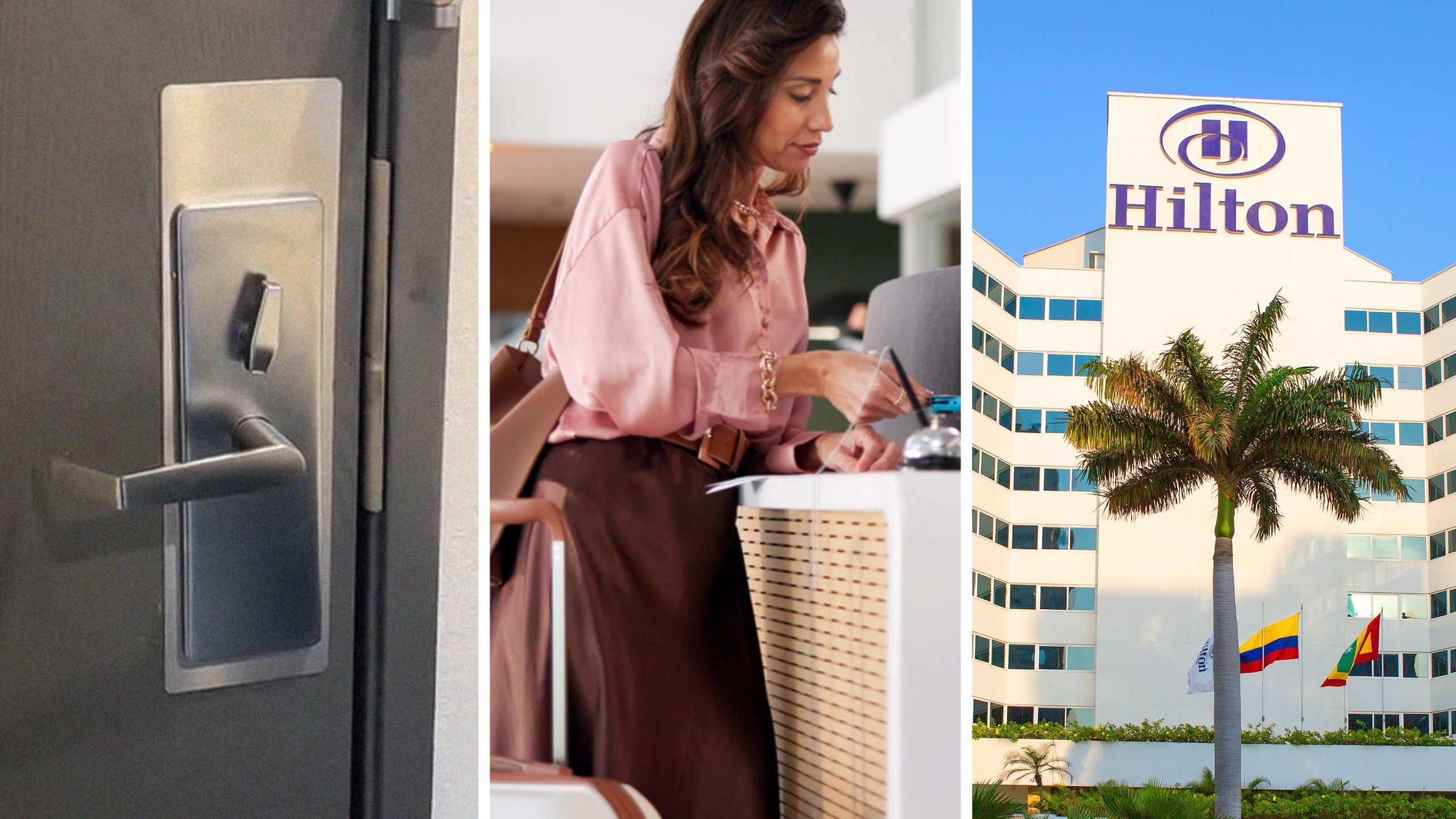
Source: BroBible
Summary
A Las Vegas writer, Krista Diamond, shared a TikTok video about her stay at a themed Hilton in Moab, Utah. The hotel featured rock-climbing decor, including a portaledge on the wall and a camping-style fridge. Diamond called the experience “deeply embarrassing,” sparking online debate. Critics questioned why the hotel’s theme was labeled “millennial cringe.” The article discusses generational perceptions of design and optimism. BroBible reported on the incident without comment from Diamond or Hilton.
Our Reading
The lifestyle enters the chat.
Theme hotels now double as performance art.
Millennials are blamed for every weird design choice.
Even portaledge decor is a generational sin.
It’s not cringe—it’s just really into its vibe.
Author: Evan Null
We’re All Climbers Here
Diamond’s TikTok video went viral, with 127,100 views. She criticized the Hilton’s extreme rock-climbing theme, including a portaledge on the wall. The hotel’s decor included a camping-style fridge and carabiner-secured toilet paper. Diamond called the experience “deeply embarrassing,” but others argued she was overreacting. The internet debated whether the theme was “millennial cringe” or just a creative choice.
Some viewers accused Diamond of being the “friend that always brings down the mood.” Others questioned why the hotel’s theme was labeled as millennial. One user pointed out that the climbing theme was clear and not necessarily tied to a generation. Another focused on hygiene, noting the toilet paper’s questionable material.
The article explores how millennials are often blamed for design trends. It notes that millennials are more optimistic about workplace happiness than other generations. Gen X is described as more skeptical, while Gen Z is seen as pessimistic. The piece suggests that millennials’ optimism makes them targets for criticism.
BroBible reached out to Diamond and Hilton for comment but received no response. The article ends with a call for updates if either party replies. The post originally appeared on BroBible, a website covering culture and lifestyle topics.
The debate over “millennial cringe” continues, with critics and supporters arguing over whether the Hilton’s theme was a creative risk or an over-the-top joke.
What Is ‘Millennial Cringe’? And Why Do Millennials Get Such A Bad Rap?
The term “millennial cringe” is used to describe certain design choices and behaviors associated with the generation. It often refers to things like over-the-top themes, public oversharing, and a perceived lack of sophistication. The article suggests that millennials are frequently criticized for these traits, even as they face challenges like economic instability and shifting cultural norms.
The piece also highlights the generational differences in outlook. Millennials are described as more optimistic than Gen X and Gen Z, who are seen as more cynical and pessimistic, respectively. This optimism may contribute to the perception that millennials are out of touch or overly earnest.
Despite this, the article acknowledges that some of the criticism of millennials is unfair. It points out that not all themed hotels or design choices are the result of a single generation’s influence. The debate over “millennial cringe” reflects broader cultural tensions about taste, identity, and generational divides.
The article also touches on the role of social media in shaping these perceptions. Platforms like TikTok allow users to share and critique experiences, often leading to viral debates. In this case, Diamond’s video sparked a discussion about whether the Hilton’s theme was a legitimate design choice or an example of “millennial cringe.”
Ultimately, the article suggests that the term “millennial cringe” is a shorthand for a range of behaviors and aesthetics that some people find unappealing. It also raises questions about whether such labels are fair or if they simply reflect shifting cultural preferences.
Why Millennials Are Blamed For Everything
Millennials are often the target of criticism for a wide range of issues, from workplace culture to design trends. The article points out that this is partly due to their age—many are now in their 40s and facing similar challenges as previous generations. However, their perceived optimism and tendency to share openly online make them a convenient scapegoat.
The piece also notes that millennials are frequently blamed for “sterile monochrome design” and “unusual themed decor.” These criticisms often come from older generations who feel that millennials are out of touch with traditional values. The article suggests that this blame is not always justified, as design trends are often the result of broader cultural shifts rather than a single generation’s influence.
Despite this, the term “millennial cringe” continues to be used to describe anything that feels overly trendy or unrefined. The article argues that this label is often applied without considering the context or intent behind a particular design choice. In the case of the Utah Hilton, some viewers saw the theme as creative, while others found it embarrassing.
The debate over “millennial cringe” highlights the tension between generational differences and shared cultural experiences. While some see the term as a way to critique certain behaviors, others argue that it’s a way to dismiss the creativity and individuality of a generation that has faced its own set of challenges.
Ultimately, the article suggests that the criticism of millennials is not just about their choices, but about the way they are perceived in a rapidly changing world.
The Hilton Experience: A Case Study In Themed Design
The Utah Hilton’s rock-climbing theme was a bold design choice, but it also sparked controversy. Diamond’s video highlighted the extreme nature of the decor, from the jack rabbit doorknob to the portaledge on the wall. While some viewers found the theme amusing, others felt it was an over-the-top attempt to appeal to a specific audience.
The article notes that themed hotels are not new, but the way they are marketed and received has changed. In the past, themed decor was often seen as a fun, nostalgic experience. Today, it can be interpreted as “cringe” or even offensive, depending on the audience’s perspective.
The debate over the Hilton’s theme also reflects broader concerns about the commercialization of design. Some critics argue that themed hotels are more about marketing than genuine creativity, while others see them as a way to stand out in a crowded industry. The article suggests that the line between novelty and excess is often blurred.
Despite the criticism, the Hilton’s theme was clearly a deliberate choice. The article implies that the hotel’s management may have been trying to create a unique experience for guests, even if it didn’t appeal to everyone. The question remains whether such themes are a good idea or if they risk alienating potential customers.
Ultimately, the incident highlights the challenges of designing for a diverse audience. What one person finds creative, another may find embarrassing. The Hilton’s experience shows that themed design can be a double-edged sword, offering both novelty and controversy.