
Little League Batter Exploits Unsportsmanlike Conduct To Draw Erroneous Walk On Umpire’s Strike Zone Blunder
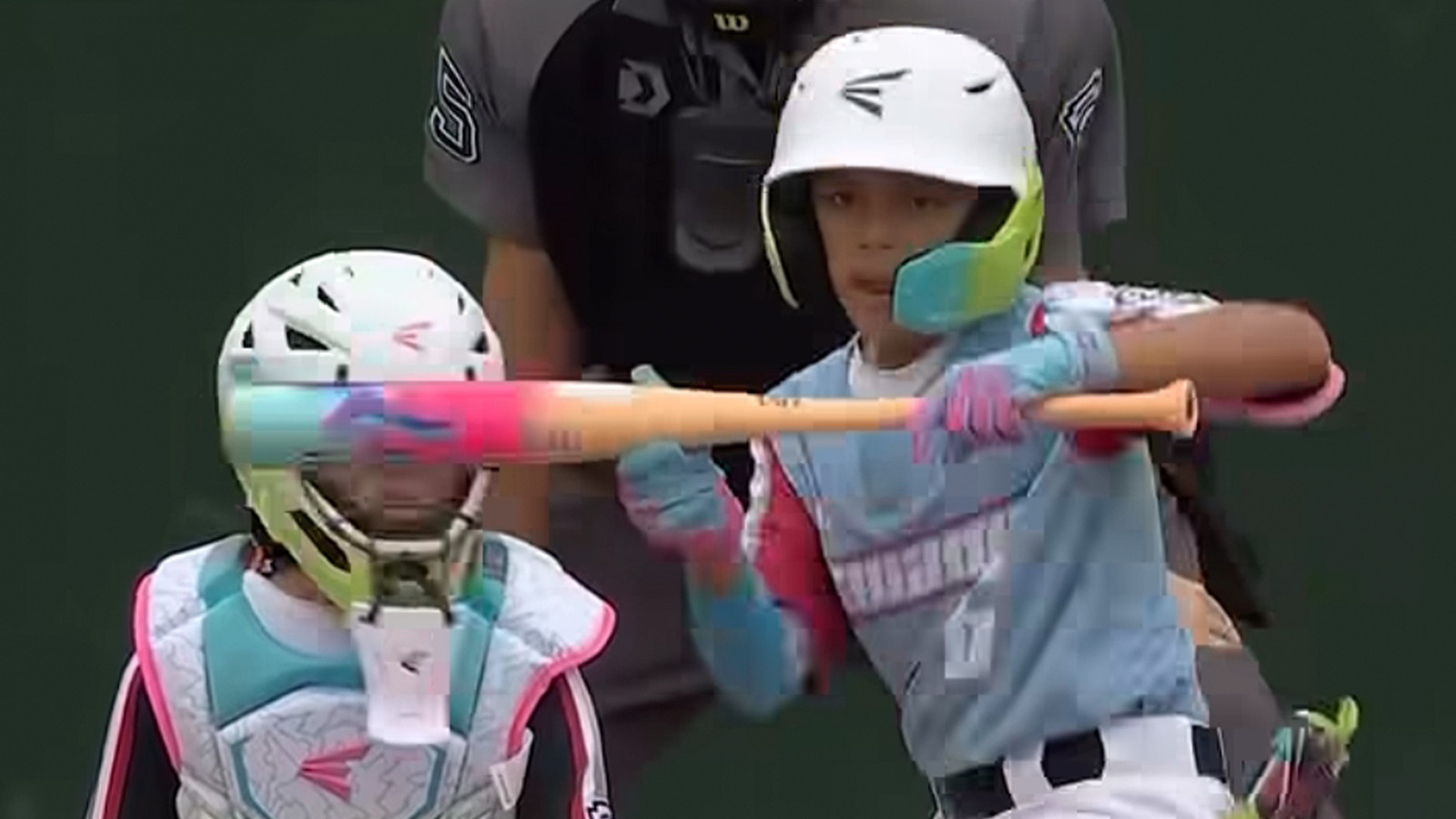
Source: BroBible
Summary
A Little League World Series game saw a controversial walk awarded to a Panama player after an umpire misjudged the strike zone. The batter, Ianne Salcedo, performed a staged bunt and ducked under a pitch, leading to a ball four call. According to Little League rules, the strike zone is based on the batter’s natural stance, not their position in the box. The umpire failed to adhere to this rule, resulting in an undeserved walk. The incident sparked discussion about sportsmanship and umpiring accuracy in youth baseball.
Our Reading
The habit gets a new name.
Little League umpires are supposed to call the strike zone based on the batter’s natural stance. But sometimes, they just go with what they see. Batters try to dance and duck. Umpires get confused. Walks happen. It’s not a big deal. It’s just baseball. Or is it?
Baseball is a game of inches, but the strike zone is a game of stance. Kids try to fake it. Umpires try to keep up. No one wins. No one loses. Just a walk, a joke, and a lesson in sportsmanship.
It’s not about the call. It’s about the show. The batter dances. The umpire flinches. The crowd cheers. The game moves on. No one cares. Except the kids. They just want to win.
Baseball is a game of strategy, but sometimes it’s just a game of who can fake the best.
Author: Evan Null
What is the strike zone at the Little League World Series?
The strike zone in Little League is defined as the space over home plate between the batter’s armpits and the top of the knees when in a natural stance. Umpires are supposed to call the strike zone based on this, not on how the batter moves or stands in the box. However, this rule is often ignored or misapplied, leading to controversial calls.
The human element of the game means that no two strike zones are the same. This can lead to confusion, especially when batters try to alter their stance to influence the call. Umpires, often volunteers, are not always equipped to handle these situations, leading to errors that can impact the game.
Unlike MLB, Little League does not have a challenge system for balls and strikes. This means that once a call is made, it stands, regardless of whether it was correct or not. This lack of oversight can lead to frustration among players, coaches, and fans.
The rules state that the strike zone should be based on the batter’s usual stance, not their position in the box. But in practice, this is not always followed. Batters can manipulate the zone by changing their stance, and umpires can be swayed by the way a player moves or acts at the plate.
Despite the rules, the strike zone remains a source of controversy in Little League. It’s a reminder that even in youth sports, the human element can lead to mistakes, misunderstandings, and questionable calls.
An umpiring error led to an undeserved walk on an incorrect ball four.
The controversy began when Ianne Salcedo, a Panama player, attempted a fake bunt and ducked under a pitch. The umpire called the pitch a ball four, even though it crossed the plate. According to Little League rules, the strike zone should have been based on Salcedo’s natural stance, not his position in the box. The call was incorrect, and the walk was undeserved.
The incident sparked debate about sportsmanship and the accuracy of umpiring in youth baseball. Salcedo’s actions, including yelling at the pitcher and altering his stance, were seen as unsportsmanlike. However, the umpire did not take action, allowing the walk to stand.
The game ended with Canada defeating Panama 3-2, but the controversy overshadowed the result. It raised questions about how umpires handle ambiguous calls and whether the rules are being properly enforced in Little League.
Some argued that the walk was a result of the umpire’s confusion, while others saw it as a clear violation of the rules. The incident highlighted the challenges of enforcing consistent strike zone calls in a game where human judgment plays a major role.
Despite the controversy, the game moved on, and the walk was not a deciding factor in the outcome. However, it served as a reminder that even in youth sports, the rules are not always followed, and the human element can lead to unexpected results.
Little League World Series rules on the strike zone
Little League’s official rules state that the strike zone is defined as the space over home plate between the batter’s armpits and the top of the knees when in a natural stance. Umpires are instructed to determine this zone based on the batter’s usual stance, not their position in the box or how they move during the at-bat.
The rules also mention that umpires should be aware of batters who try to give the impression of a smaller zone by squatting or altering their stance. Once the natural stance is determined, the strike zone should remain consistent, regardless of how the batter changes their position or movement.
However, in practice, these rules are not always followed. Umpires may be influenced by a batter’s actions, such as dancing, fake bunts, or yelling, leading to incorrect calls. This inconsistency can create confusion and frustration for players and coaches alike.
Unlike professional leagues, Little League does not have a challenge system for balls and strikes. This means that once a call is made, it stands, even if it is incorrect. This lack of oversight can lead to errors that impact the game, especially in high-stakes situations like the World Series.
The rules are clear, but enforcement is not always consistent. This leaves room for interpretation, which can lead to controversial calls and debates about the fairness of the game.
How the strike zone controversy affected the game
The incorrect ball four call during the Little League World Series game did not change the final outcome, as Canada still won 3-2. However, it created a lasting impression on fans and players alike. The controversy highlighted the challenges of enforcing strike zone rules in youth baseball, where human judgment plays a significant role.
The incident also sparked discussions about sportsmanship and the ethics of batters trying to manipulate the strike zone. Salcedo’s actions, including his staged bunt and loud outburst, were seen as unsportsmanlike by some, while others argued that the umpire was simply confused by the situation.
Despite the controversy, the game continued, and the walk was not a deciding factor in the result. However, it served as a reminder that even in youth sports, the rules are not always followed, and the human element can lead to unexpected outcomes.
The incident also raised questions about the training and preparation of Little League umpires. With no challenge system in place, umpires must rely on their judgment, which can be influenced by a batter’s behavior and movement at the plate.
While the walk did not impact the final score, it underscored the importance of consistent rule enforcement in youth baseball. It also served as a learning moment for players, coaches, and umpires about the challenges of maintaining fairness in a game that relies heavily on human judgment.
What can be done to improve strike zone calls in Little League?
One possible solution is to provide more training and support for Little League umpires. With no challenge system in place, umpires must make quick decisions based on their understanding of the rules. Additional training could help them better recognize and enforce the strike zone based on a batter’s natural stance.
Another option is to implement a limited challenge system for key calls, such as strikes and balls. This would allow coaches or umpires to review certain calls and correct errors, reducing the impact of misjudged strikes and balls. However, this would require significant changes to the structure of Little League games.
Technology could also play a role in improving strike zone accuracy. While it may not be feasible for all Little League games, some leagues could explore the use of automated systems to assist umpires in making more consistent calls. This would help reduce human error and ensure that the rules are applied fairly.
Ultimately, the issue of strike zone calls in Little League highlights the challenges of enforcing rules in a game that relies heavily on human judgment. While no solution is perfect, improvements in training, technology, and rule enforcement could help reduce the number of controversial calls and ensure a more fair and consistent game.
Until then, the strike zone will remain a source of debate, confusion, and occasional controversy in youth baseball. It’s a reminder that even in the simplest games, the human element can have a major impact on the outcome.