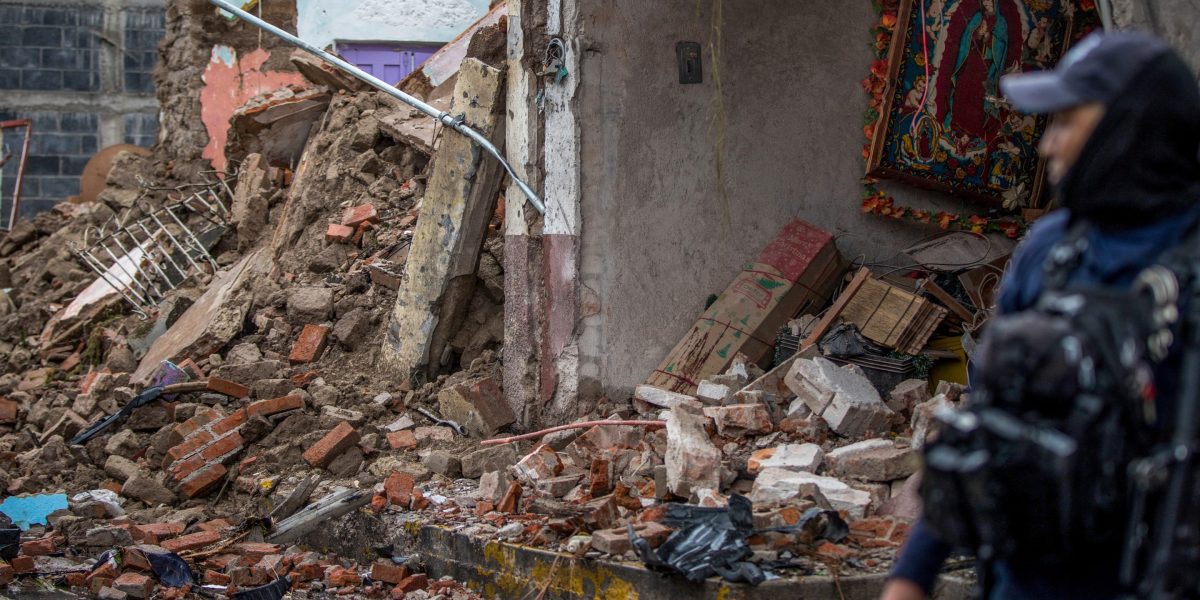
Source: Fortune.com
Summary
Mexican drug cartels, including the Jalisco New Generation Cartel (CJNG) and the Sinaloa Cartel, are increasingly using car bombs, explosives-laden drones, and improvised explosive devices, according to officials. A recent attack in Zacatecas injured 11 people and damaged over 60 homes. The trend has raised concerns about escalating violence, even though it remains below levels seen in countries like Colombia. The Trump administration previously designated several cartels as foreign terrorist organizations, and the current government denies labeling the violence as terrorism.
Our Reading
The numbers tell one story.
Cartels use car bombs to spread fear and pressure authorities.
Zacatecas has seen 23 explosive attacks this year.
CJNG has been linked to recent bombings in Michoacán and Zacatecas.
Mexico resists calling cartel violence terrorism, fearing foreign intervention.
Author: Evan Null
Drug Cartels and the Rise of Explosive Violence
Mexican drug cartels are increasingly using car bombs, explosives-laden drones, and improvised explosive devices, a trend that has raised concerns about the escalating violence. The Jalisco New Generation Cartel (CJNG) and the Sinaloa Cartel have been at the center of this shift, with attacks in Zacatecas and Michoacán drawing national attention. The use of explosives has become more frequent over the past five years, with authorities seizing thousands of devices across the country. Despite the growing threat, Mexico has resisted labeling the violence as terrorism, a stance that has drawn criticism from experts and the U.S. government.
Recent Attacks and Their Impact
The latest incident occurred in Ojocaliente, Zacatecas, where a 200-kilogram explosion injured 11 people and damaged over 60 homes. The attack, attributed to the CJNG, is part of a broader pattern of violence that has seen 23 explosive attacks in the state this year. The use of car bombs and drones has allowed cartels to target security forces and rival groups with greater precision. While the scale of the violence in Mexico remains lower than in countries like Colombia, the tactics are becoming more sophisticated and dangerous.
Historical Context and Evolution of Tactics
Car bombings in Mexico have a long history, with the Tijuana Cartel using them as early as 1994. More recently, the CJNG has expanded its use of explosives, including drone-delivered devices and ground-buried bombs. The trend has accelerated in the past five years, with authorities reporting a significant increase in the number of explosive devices seized. In 2023, roadway bombs in Jalisco killed six people, and in 2025, an explosive device killed eight soldiers. These incidents highlight the growing threat posed by organized crime in Mexico.
Government Response and Political Tensions
Mexican President Claudia Sheinbaum has claimed that the government’s strategy against cartels is working, citing a decline in nationwide killings. However, experts warn that the violence is intensifying, with more frequent and deadly attacks. The Trump administration’s designation of several cartels as foreign terrorist organizations has added another layer of complexity, as it has allowed for potential military action. Mexico has resisted this classification, fearing it could invite foreign intervention and harm tourism and investment.
Challenges in Addressing Organized Crime
Experts argue that applying counterterrorism strategies to organized crime is not effective, as the drug trade involves an entire illegal market rather than a single armed group. The use of car bombs and explosives is not just about violence but also about intimidation and control. While the government continues to focus on reducing killings, the tactics of cartels are evolving, making it more difficult to address the root causes of the violence. The situation remains volatile, with the potential for further escalation in the coming months.