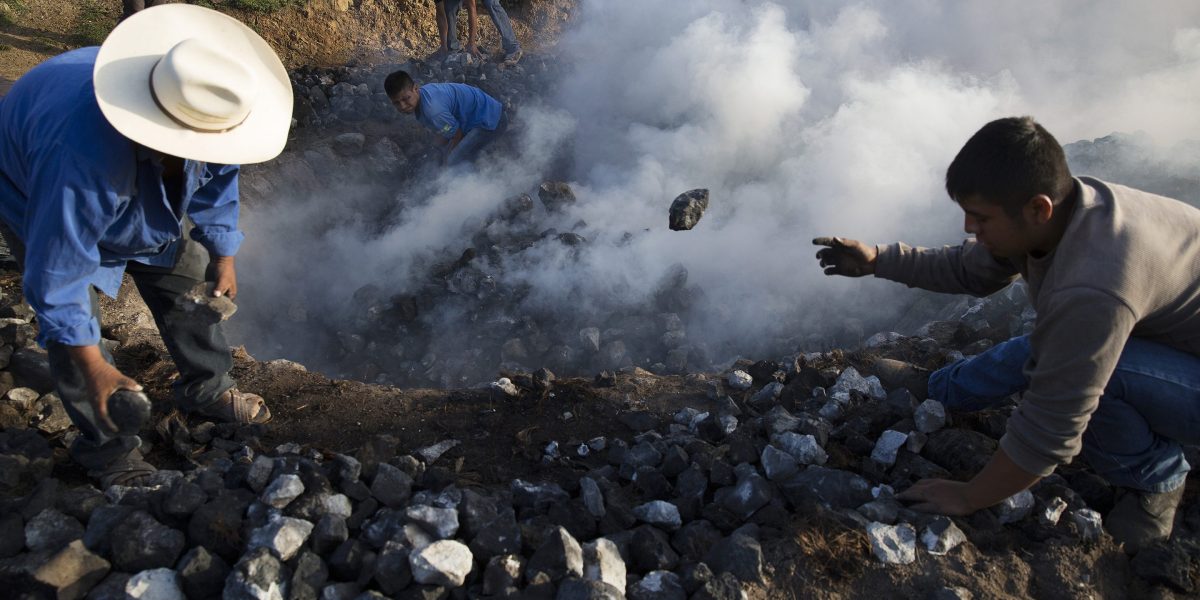
Source: Fortune
Summary
Mezcal production in Oaxaca, Mexico has surged in recent years, driven by global demand and the entry of international brands. While the boom has brought economic benefits to local producers, it has also led to environmental costs, including deforestation, soil erosion, and water pollution. The industry’s resource-intensive practices, such as the use of firewood and water for fermentation and distillation, have put pressure on the local ecosystem. Small-scale producers and conservation groups are working to promote sustainable practices and protect the land, but the industry’s growth and profitability are creating tension between sustainability and profitability.
Our Reading
The numbers tell one story. Mezcal production in Mexico has grown from 1 million liters in 2010 to over 11 million liters in 2024, with nearly all of it produced in Oaxaca. The industry’s expansion has led to the loss of over 34,953 hectares of tropical dry and pine oak forests in 27 years, and the use of firewood and water for fermentation and distillation has put pressure on the local ecosystem. Meanwhile, small-scale producers and conservation groups are working to promote sustainable practices and protect the land.
As the industry continues to grow, it’s clear that the delicate balance between sustainability and profitability will be a major challenge. One thing is certain: the future of mezcal production will be shaped by the choices made today.
Author: Evan Null