Source: Fortune.com
Summary
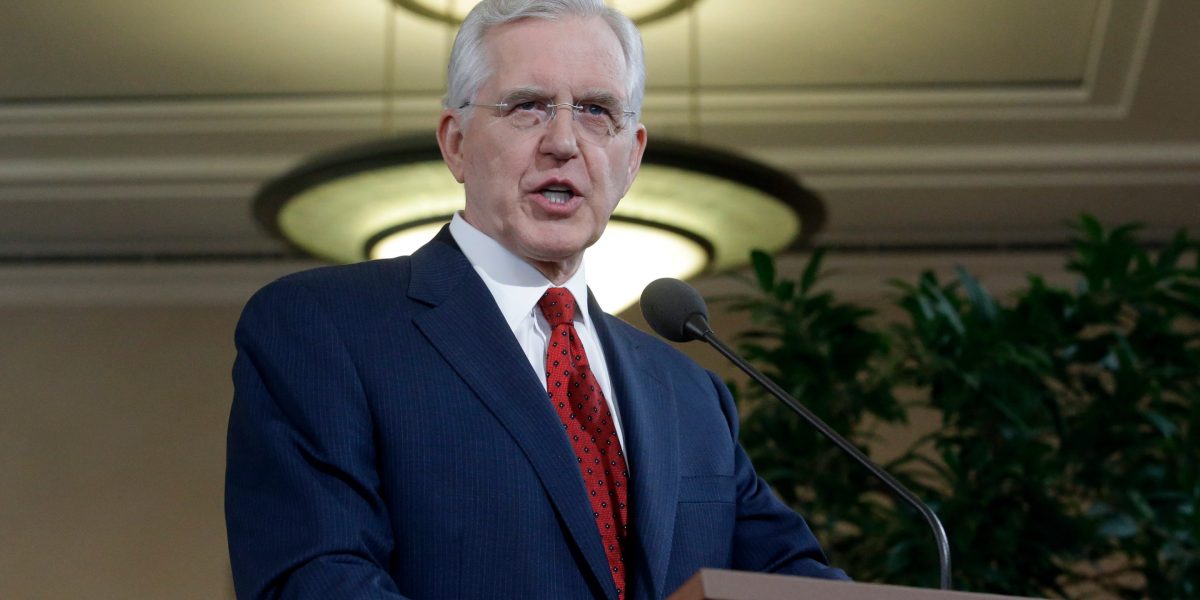
D. Todd Christofferson, a top leader of The Church of Jesus Christ of Latter-day Saints, criticized the rise of online gambling and prediction markets, calling them morally wrong and harmful to youth. He linked the trend to greed and distraction from studies and relationships. The church opposes prediction markets, which are legal in some states but regulated as gambling in Utah. Utah recently passed stricter gambling laws to target these platforms. The church’s stance contrasts with the Trump administration, which does not classify prediction markets as gambling.
Our Reading
The numbers tell one story.
Church leaders warn of moral decay from prediction markets.
Utah tightens laws to target online betting.
Religious groups oppose gambling, citing spiritual harm.
The church’s political engagement grows under new leadership.
Religious and political lines blur as institutions react to new financial tools.
Author: Evan Null
Religious Opposition to Gambling
The Church of Jesus Christ of Latter-day Saints has long opposed gambling, calling it a moral failing that leads to greed and addiction. This stance is rooted in the church’s teachings and its influence in Utah, where gambling is heavily restricted. The church’s leaders, including D. Todd Christofferson, have spoken out against the rise of online prediction markets and sports betting, warning that they encourage harmful behavior among young people.
Utah’s Legal Battle
Utah has been at the center of a legal fight over whether prediction markets should be classified as gambling. The state passed legislation to tighten its gambling laws, making them more likely to apply to these platforms. A federal judge ruled that Utah can enforce its anti-gambling laws against prediction markets, setting a precedent that could affect other states.
Contrast with Federal Policy
The Mormon church’s opposition to prediction markets contrasts with the Trump administration’s position, which argued that these platforms do not constitute gambling and should not be subject to the same restrictions. This divergence highlights the tension between religious values and federal regulatory approaches to emerging financial tools.
Religious Views on Gambling
Many religious organizations, including the United Methodist Church and the Southern Baptist Convention, have condemned gambling as harmful to society. In Islam and Hinduism, gambling is considered a vice, while the Catholic Church views it as potentially problematic. These beliefs shape the moral arguments against online betting and prediction markets.
Church’s Growing Political Role
The Mormon church has become more involved in political issues under President Dallin Oaks, who previously served on the Utah Supreme Court. The church has opposed state ballot measures related to abortion rights and has taken a more strategic approach to public advocacy. This shift follows past controversies, such as the church’s stance on California’s Proposition 8, which sought to ban same-sex marriage.