Source: Fortune.com
Summary
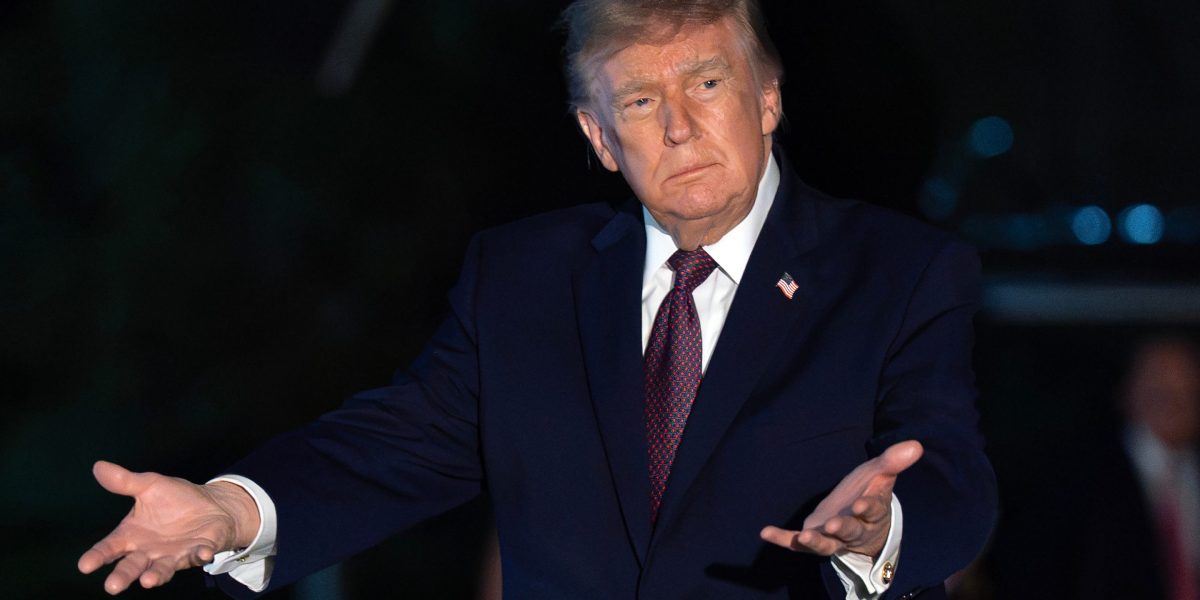
President Donald Trump announced $90 payments to more than 20 million seniors to help with Medicare premiums, ahead of the November midterm elections. The move follows previous pledges of $500 rebates for Affordable Care Act premiums and a $5,000 payment to every American adult if Republicans win control of Congress. The White House said the funds would come from the Medicare Improvement Fund, established in 2008. Critics argue the payments would add to the deficit and worsen inflation. Eligibility excludes those with Medicaid or income-based premiums, and Medicare Advantage enrollees are not eligible.
Our Reading
The numbers tell one story.
Trump promises money to seniors, just like he promised money to millions before.
The fund is flexible, but not designed for this kind of payout.
Eligibility rules are narrow, but the message is broad.
The administration plays the fund’s flexibility like a card in a political deck.
Author: Evan Null
Trump’s Election Strategy
President Donald Trump is using financial incentives to appeal to voters ahead of the midterm elections. The plan includes $90 payments to seniors, aimed at addressing Medicare costs. This follows previous promises of $500 rebates and a $5,000 payment to all adults. The White House claims the funds come from the Medicare Improvement Fund, a source not previously used for such payments.
Political Motivation
The timing of the announcement, just before the November election, suggests a clear political aim. Trump has positioned himself as a leader who can deliver economic relief, despite criticism over inflation and high gas prices. His campaign rhetoric focuses on economic growth, even as polls show declining public approval.
Eligibility and Exclusions
The $90 payments are limited to seniors not receiving Medicaid or income-based premium assistance. Medicare Advantage enrollees, who make up more than half of beneficiaries, are excluded. This narrows the impact of the policy, but the message remains clear: Trump is offering financial support to key voter groups.
Funding and Policy Debate
The Medicare Improvement Fund, created in 2008, has been used for other priorities, including the Affordable Care Act. Critics argue that using it for this purpose could set a precedent and raise concerns about fiscal responsibility. The fund’s broad language allows for administrative discretion, which has drawn attention from policy experts.
Public Reaction and Criticism
Polls show that many Americans blame Trump for high inflation and rising costs. Despite this, he continues to emphasize economic growth and promises of relief. The $90 payment to seniors is part of a broader strategy to bolster support among older voters, a key demographic in the midterm elections.