—
Source: FOX News
Summary
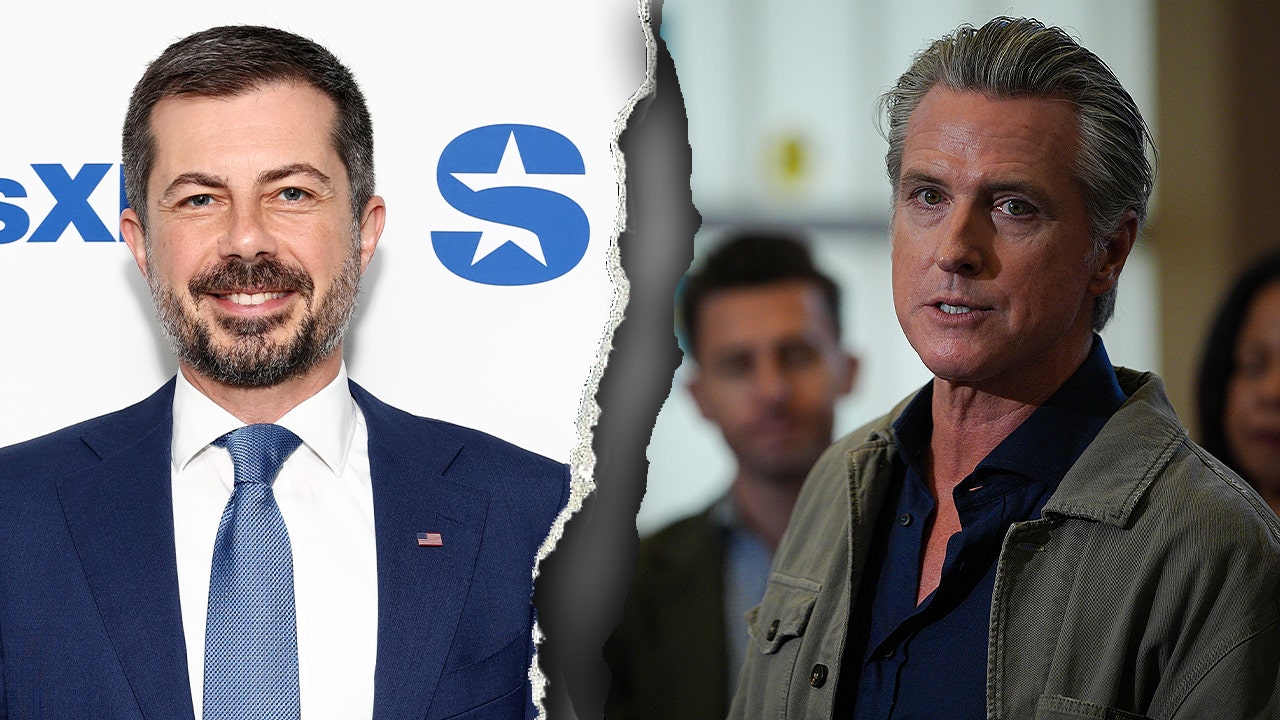
A top aide to California Gov. Gavin Newsom mocked Pete Buttigieg’s efforts to build support with Black voters in South Carolina, responding to a post highlighting Buttigieg’s visit to the Orangeburg NAACP chapter. The exchange occurred as the Democratic Party’s 2028 nomination race begins to take shape. South Carolina is set to hold the first nominating contest, and tensions over Black voter outreach have intensified. Atlanta Mayor Andre Dickens accused the DNC of abandoning the South and Black voters. Newsom’s aide said the comment was made in his personal capacity and not on behalf of the governor.
Our Reading
As expected, the matter has reached another stage.
Newsom aide mocks Buttigieg’s South Carolina visit.
Buttigieg’s team shares photo with NAACP members.
Staffers from 2028 contenders clash online.
Black voter outreach becomes a political performance.
Author: Evan Null
Political Routines in the Making
The 2028 Democratic race is already shaping up with familiar patterns. As early as 2024, staff members of potential candidates are engaging in public jabs, signaling the start of a longer campaign cycle. The focus on South Carolina and Black voters is not new, but it is being rehearsed in real-time. The exchange between Newsom and Buttigieg aides is a small but telling moment in the larger narrative of political positioning.
Staffers are acting as proxies for their principals, testing the waters with public comments. The South Carolina primary remains a key battleground, and the need to appeal to Black voters is central. This is not just about policy—it’s about image, messaging, and visibility. The candidates are not yet on the stage, but their teams are already performing.
There is a rhythm to these early exchanges. Aides make snide remarks, opponents respond, and the media picks up the story. It’s a predictable cycle that repeats with each election. The public sees the drama, but the real work is being done behind the scenes. The candidates are still building their brands, and their teams are learning how to navigate the political stage.
The emphasis on Black voter outreach is both strategic and symbolic. It reflects the Democratic Party’s ongoing struggle to connect with key demographics. But it also serves as a way to differentiate candidates. The more they talk about Black voters, the more they signal their commitment to a particular vision of the party. It’s a performance of loyalty and intent.
As the 2028 race unfolds, these early moments will be seen in hindsight as the beginning of a larger story. The public may not notice the small exchanges, but they are part of a larger ritual. The candidates may not be ready, but their teams are already in the spotlight.
South Carolina’s Role in the 2028 Race
South Carolina is set to hold the first Democratic primary in 2028, making it a crucial state for candidates. The state has a significant Black population, and its political influence is growing. This makes it a key battleground for the Democratic Party. The recent exchange between Newsom and Buttigieg aides highlights how the race is already shaping up around this state.
The focus on South Carolina is not just about geography—it’s about the message. Candidates who can show support for Black voters in the South are seen as more authentic. This is a performance that candidates must enact to gain favor. The state’s political history and current dynamics make it a central stage for the 2028 race.
The debate over Black voter outreach is not new, but it is being repeated in a new context. The Democratic Party is under pressure to show that it is not abandoning its base. The recent criticism from Atlanta Mayor Andre Dickens adds to the tension. It’s a reminder that the party’s strategy must be carefully crafted to avoid alienating key supporters.
As the race moves forward, South Carolina will remain a focal point. The state’s role in the primary calendar means that candidates must tailor their messages to its voters. This is not just about winning a primary—it’s about setting the tone for the entire campaign. The state’s influence will be felt throughout the 2028 race.
The way candidates engage with South Carolina will shape their public image. It’s a test of their ability to connect with a key demographic. The early exchanges between aides suggest that the race is already being played out in public, with South Carolina at the center of the action.
Black Voters and the Democratic Party
The issue of Black voter outreach is central to the 2028 race. It is a recurring theme that candidates must address to remain relevant. The recent criticism from Atlanta Mayor Andre Dickens highlights the pressure on the Democratic Party to show that it is not neglecting its base. This is not just about policy—it’s about perception and loyalty.
The Democratic Party has long relied on Black voters for support, but recent tensions suggest that this relationship is being tested. The party must balance its national appeal with the needs of its core constituencies. This is a delicate act that requires careful messaging and strategy. The way candidates engage with Black voters will determine their success in the primary.
The recent exchange between Newsom and Buttigieg aides reflects the broader struggle within the party. Candidates are trying to position themselves as the best choice for Black voters, even at the expense of their rivals. This is a performance of loyalty and commitment, but it is also a way to differentiate themselves from others.
The emphasis on Black voter outreach is not just about winning votes—it’s about showing that the party is listening. It’s a way to signal that the Democratic Party is still the home of progressive values. But it is also a way to avoid being seen as out of touch with its base. The candidates must navigate this carefully.
As the 2028 race continues, the focus on Black voters will remain a key issue. The way candidates engage with this demographic will shape their campaigns. The early exchanges suggest that this issue is already being played out in public, with Black voters at the center of the action.
The Role of Staffers in the 2028 Race
Staffers are playing a growing role in the 2028 race, acting as proxies for their principals. The recent exchange between Newsom and Buttigieg aides shows how these interactions can become public moments of tension. It’s a way for candidates to test their messaging without directly engaging. But it also highlights the growing influence of campaign teams.
The public nature of these exchanges means that staffers must be careful with their words. A single comment can be amplified and used against their candidates. This is a new kind of political performance, where the focus is not just on the candidates but also on their teams. The stakes are high, and the consequences can be significant.
The role of staffers is evolving as the race becomes more competitive. They are not just advisors—they are public figures in their own right. The recent comments from Newsom’s aide show how these interactions can become part of the broader political narrative. It’s a way for candidates to shape their image without directly engaging.
The pressure on staffers is growing as the race moves forward. They must balance the need to support their candidates with the risk of being seen as disruptive. This is a delicate act that requires careful planning and execution. The way they handle these moments will shape the public perception of their principals.
As the 2028 race continues, the role of staffers will only become more important. They are the ones who are shaping the public narrative, even if they are not the ones on stage. Their words and actions will have a lasting impact on the campaign.
The Politics of Performance
The 2028 Democratic race is already taking on the appearance of a performance. Candidates and their teams are engaging in public exchanges that serve as both strategy and spectacle. The recent clash between Newsom and Buttigieg aides is a small but telling moment in this larger narrative. It’s a way for candidates to test their messaging without directly engaging.
The public nature of these interactions means that every comment is scrutinized. A single remark can be amplified and used to shape the campaign. This is a new kind of political theater, where the focus is not just on the candidates but also on their teams. The way they perform will determine their success in the race.
The emphasis on Black voter outreach is not just about policy—it’s about image and perception. Candidates must show that they are committed to a particular vision of the party, even if it means engaging in public jabs. This is a performance of loyalty and intent, but it is also a way to differentiate themselves from others.
The South Carolina primary remains a key battleground, and the way candidates engage with this state will shape their campaigns. The early exchanges suggest that the race is already being played out in public, with South Carolina at the center of the action. It’s a reminder that the 2028 race is not just about policy—it’s about performance.
As the race continues, the political performances will only become more visible. The candidates may not be ready, but their teams are already in the spotlight. The way they engage with the public will determine their success in the race. The 2028 race is already shaping up as a spectacle of political positioning and performance.