Source: Fox News
Summary
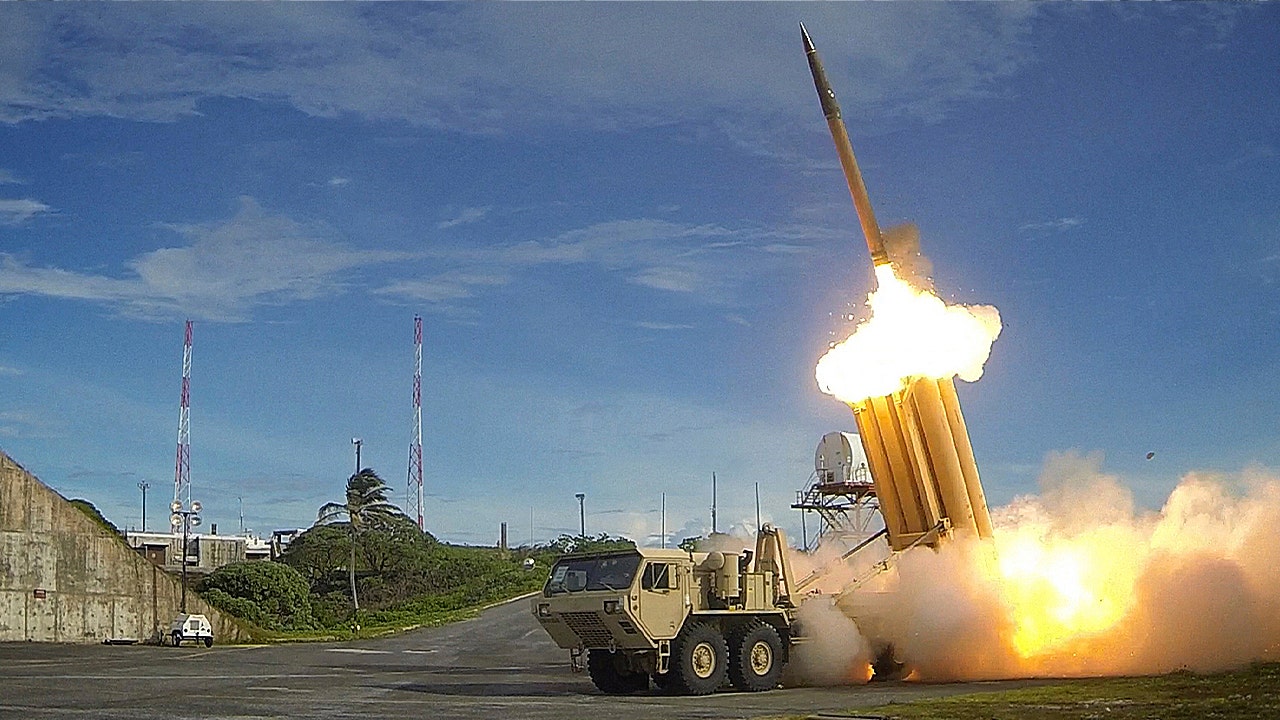
The Pentagon is increasing its procurement of missile-defense interceptors, including Patriot Advanced Capability-3 Missile Segment Enhancement (PAC-3 MSE) and Terminal High Altitude Area Defense (THAAD) interceptors, after years of relatively modest purchases. The move comes as the US faces a growing threat from China’s ballistic and cruise missile arsenal. The Army’s fiscal 2027 budget calls for a significant increase in purchases of these interceptors, with the goal of rapidly expanding the munitions industrial base. The shift is a response to the depletion of US missile stockpiles in recent conflicts, including the war with Iran.
Our Reading
As expected, the matter has reached another stage.
The Pentagon’s sudden interest in buying more missile-defense interceptors is a familiar pattern. The US military has a history of depleting its stockpiles in conflicts, only to scramble to replenish them afterwards. The current procurement push is an attempt to build up the industrial capacity needed to sustain higher production levels. But it’s a slow process, and the US may struggle to keep up with the demands of a potential conflict with China.
The US is playing catch-up in the hypersonic race with China and Russia. The Pentagon’s budget documents show years of relatively modest procurement for some of the military’s most important missile-defense interceptors. The Army’s fiscal 2027 budget calls for a massive increase in purchases of PAC-3 MSE and THAAD interceptors. But it’s unclear whether this will be enough to address the shortfall.
The Pentagon’s abrupt course correction raises questions about why the US waited so long to build deeper interceptor magazines. The answer lies in budgetary tradeoffs and decisions made across both the Pentagon and Congress. The shortage was entirely foreseeable, and there have been arguments surrounding interceptor and munition procurement numbers for decades.
Ultimately, the US is trying to build the industrial capacity needed to sustain higher production levels, but it’s a slow process. The stakes extend well beyond the war with Iran, and a conflict with China could place far greater and more sustained demands on US missile defenses.
The window of opportunity to bridge the interceptor gap is closing.
Author: Evan Null