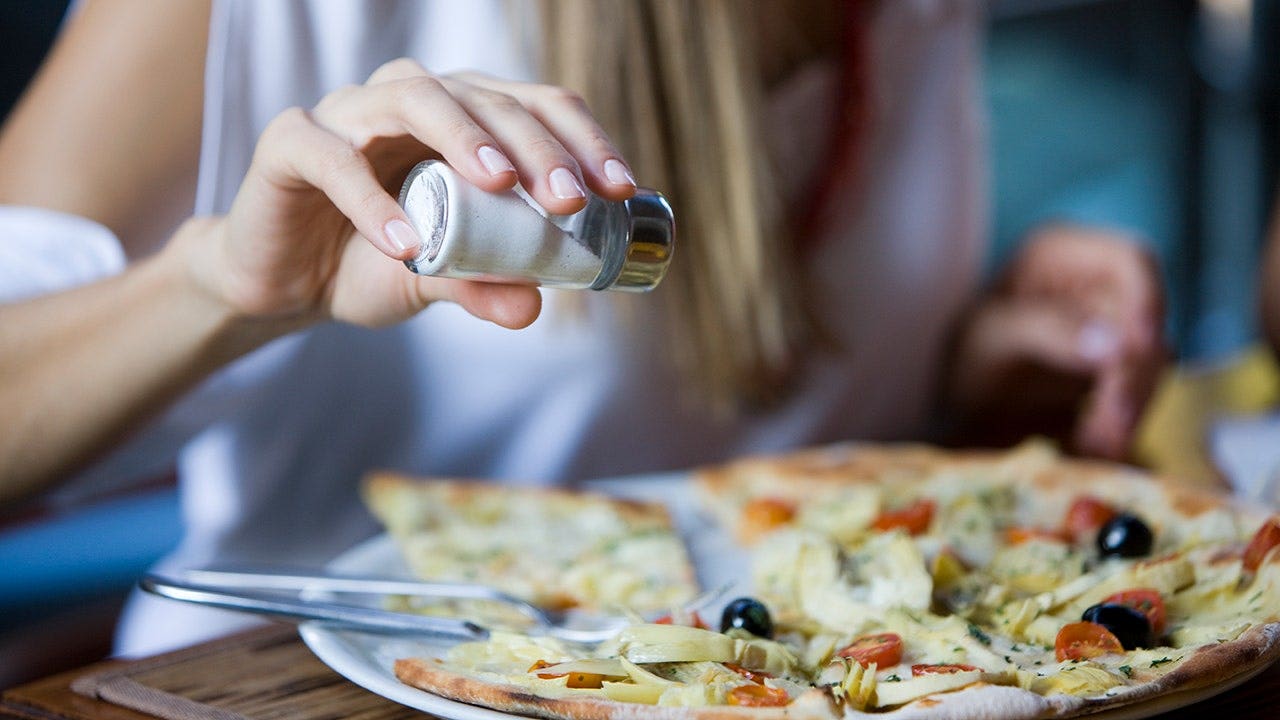
Source: Fox News
Summary
A new study published in the Journal of the American Heart Association suggests that a high-salt diet can trick the immune system into prematurely aging blood vessels. Researchers at the University of South Alabama found that mice on a high-salt diet experienced rapid deterioration in their blood vessel function, leading to cellular senescence and a loss of nitric oxide production. The study suggests that excess salt may trigger the immune system to release a molecule called interleukin-16 (IL-16), which instructs blood vessel cells to grow old before their time.
Our Reading
The advice sounds familiar.
This guidance has been heard before, as the link between high salt intake and cardiovascular decay has been a topic of discussion for years. The study’s findings suggest that the body’s own defense mechanism may be the culprit behind the damage caused by excess salt. The use of experimental drugs known as senolytics to reverse the process is a new development. The study’s limitations, including the transition from mouse models to human treatment, are a reminder that more research is needed.
The study’s focus on the IL-16 pathway as a potential driver of vascular aging in humans is a notable aspect of the research.
As with many health studies, the findings are a reminder that the relationship between diet and cardiovascular health is complex and multifaceted.
The study’s results are a reminder that the search for a “magic bullet” to reverse the effects of aging is ongoing.
It’s just another phase in the ongoing conversation about the impact of diet on our health.
Author: Evan Null
Related Topics
High Blood Pressure
Cardiovascular Health
Diet and Nutrition
Aging and Age-Related Diseases
Immune System
Experimental Drugs
Senolytics
Vascular Aging
Nitric Oxide
Interleukin-16 (IL-16)