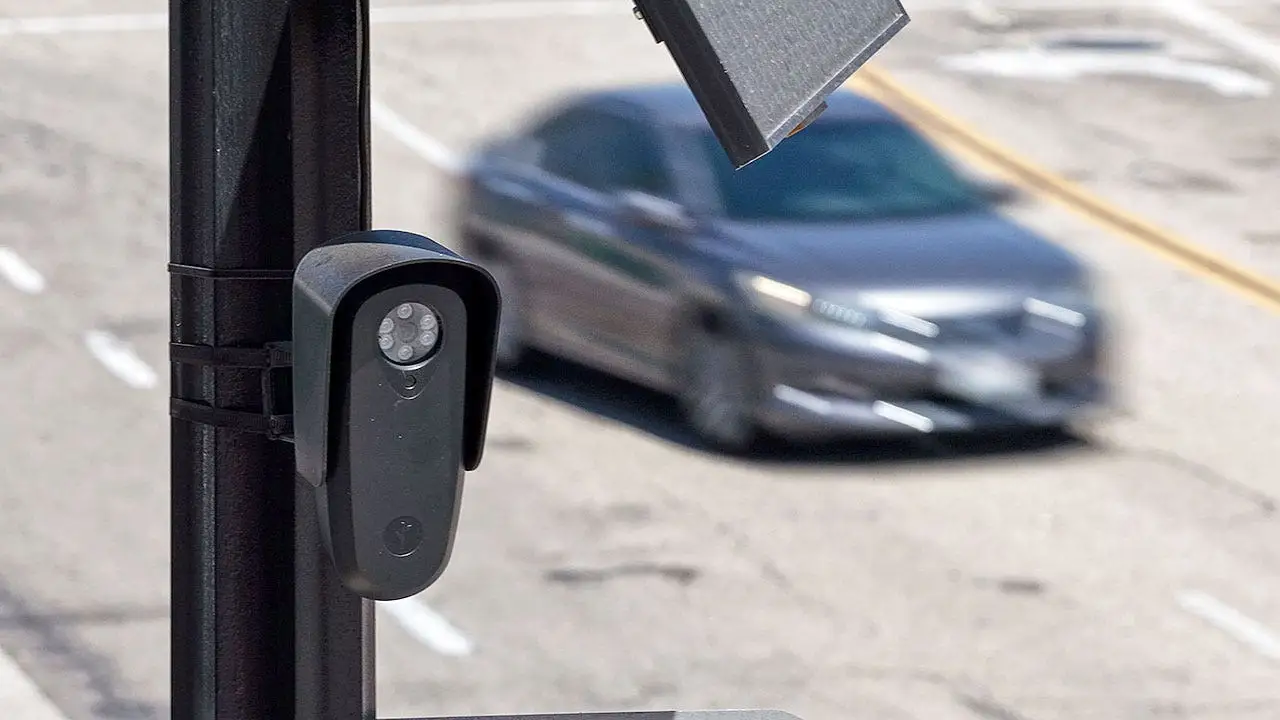
Source: Fox News
Summary
Sens. Josh Hawley and others are investigating Flock Safety’s AI-powered camera network, which tracks vehicle movements across 49 states. Hawley claims the system creates a searchable national database of Americans’ movements. Robert Frommer of the Institute for Justice argues that police should need a warrant to access such data. Cities like Pflugerville, Hood County, and Tempe have ended contracts with Flock over privacy concerns. Flock says it will respond to the investigation and claims its systems have safeguards. Lawmakers and officials say mass surveillance threatens constitutional rights.
Our Reading
As expected, the matter has reached another stage.
Hawley demands answers from Flock.
Frommer calls for warrants for data access.
Cities cut ties with Flock over privacy fears.
Flock says it will respond, but the routine of scrutiny continues.
Author: Evan Null
Senator Hawley’s Investigation
Sens. Josh Hawley is leading the charge against Flock Safety, accusing the company of creating a national surveillance network. Hawley claims the system allows for the tracking of hundreds of millions of Americans’ movements. He has launched an investigation into the company’s data practices and is calling for transparency. The Missouri Republican is not alone in his concerns, as other lawmakers and officials are also scrutinizing the use of AI-powered cameras.
Privacy Concerns and Warrant Requirements
Robert Frommer, director of the Institute for Justice’s Project on the Fourth Amendment, argues that police should need a warrant to access data from Flock’s cameras. He says that the ability to search a person’s past movements without a warrant is a violation of constitutional rights. Frommer believes that while the technology can be useful, it must be regulated to protect individual privacy. He emphasizes that most law enforcement searches occur within a few days of a crime and do not require a national database.
Cities Pulling Out of Flock Contracts
Several cities and counties have decided to end their relationships with Flock Safety due to privacy concerns. Pflugerville, Hood County, and Tempe have all turned off their Flock cameras and are no longer using the technology. Officials in these areas say that the potential for misuse and the lack of trust in the company’s data practices have led to their decisions. They argue that public safety and public trust must go hand in hand, and the Flock system has raised too many concerns.
Flock’s Response and Safeguards
Flock Safety has responded to the criticism by stating that it will provide information to the Senate subcommittee and explain its technology and safeguards. The company claims that its systems are designed to protect privacy and that law enforcement agencies have control over their data-sharing settings. Flock also says that it has corrected past errors in data sharing and that its audit logs show that agencies can manage their access to the system. Despite these claims, many officials remain skeptical of the company’s ability to protect personal data.
Broader Implications for Surveillance Technology
The debate over Flock Safety’s cameras is part of a larger conversation about the use of surveillance technology in the United States. Frommer and other critics argue that the same concerns apply to any provider of interconnected license plate reader systems. They believe that while such technology can be useful, it must be accompanied by strong constitutional safeguards. The growing number of cities and counties ending their contracts with Flock suggests that the public is increasingly aware of the risks associated with mass surveillance and is demanding more transparency and accountability from companies like Flock.