
Source: Fortune
Summary
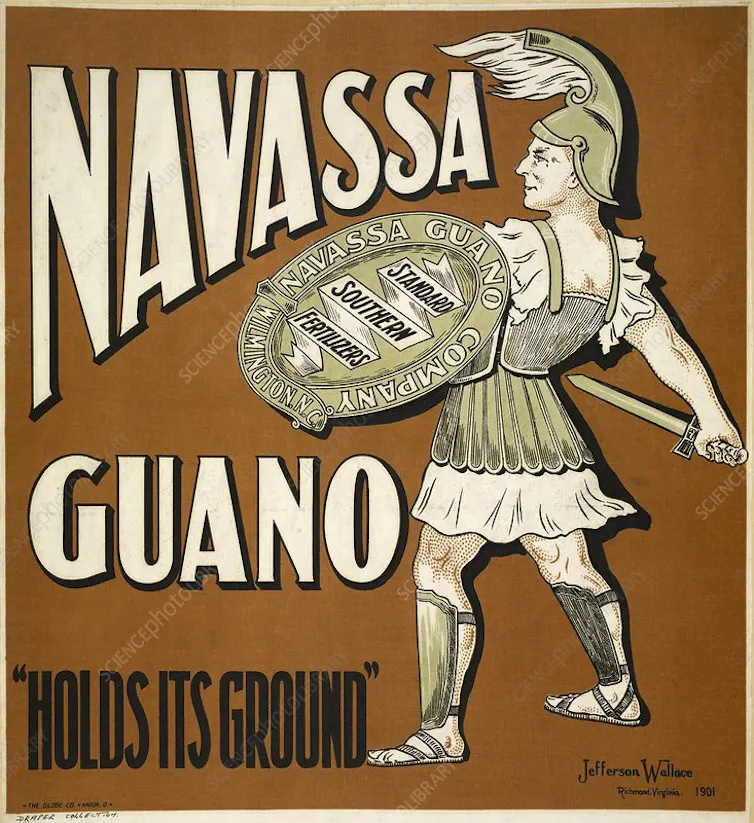
The closure of the Strait of Hormuz has highlighted the strategic importance of fertilizer in global food production. Historically, the global trade in fertilizer dates back to the 19th century, when guano, a natural fertilizer, was extracted from islands in the Pacific and Caribbean and shipped to farms across Europe and North America. The Guano Islands Act of 1856 allowed the US to claim unoccupied guano islands, transforming the quest for fertilizer into a mechanism of American territorial expansion. The use of guano also had a dark side, with the exploitation of Chinese indentured laborers and the brutal treatment of Black workers on Navassa Island.
Our Reading
The numbers tell one story. The global fertilizer trade has a long and complex history, marked by the exploitation of workers and the expansion of imperial power. The use of guano, a natural fertilizer, was a key factor in the transformation of global agriculture in the 19th century. The Guano Islands Act of 1856, which allowed the US to claim unoccupied guano islands, was a pivotal moment in the expansion of American power. The story of Navassa Island, where Black workers rebelled against their white overseers in 1889, highlights the racialized labor and exploitation that underpinned the global fertilizer trade. Today, the closure of the Strait of Hormuz has highlighted the ongoing strategic importance of fertilizer in global food production.
The announcement sounds familiar. The language of “strategic importance” and “global food security” echoes the rhetoric of the 19th century, when guano was hailed as a “miraculous remedy for exhausted soils.” The story of fertilizer is a story of power, exploitation, and the complex web of global connections that underpin modern agriculture.
The strategy enters a familiar phase. The use of guano, a natural fertilizer, was a key factor in the transformation of global agriculture in the 19th century. The Guano Islands Act of 1856, which allowed the US to claim unoccupied guano islands, was a pivotal moment in the expansion of American power. Today, the closure of the Strait of Hormuz has highlighted the ongoing strategic importance of fertilizer in global food production.
The story of fertilizer is a story of power, exploitation, and the complex web of global connections that underpin modern agriculture. The use of guano, a natural fertilizer, was a key factor in the transformation of global agriculture in the 19th century. The Guano Islands Act of 1856, which allowed the US to claim unoccupied guano islands, was a pivotal moment in the expansion of American power. Today, the closure of the Strait of Hormuz has highlighted the ongoing strategic importance of fertilizer in global food production.
And that’s why the fertilizer industry is now a “strategic” sector, with its own set of rules and regulations.
Author: Evan Null