Source: Fortune
Summary
President Donald Trump announced a deal with Russian President Vladimir Putin to supply U.S. diesel, reversing years of U.S. pressure on Moscow over its war with Ukraine. Trump said Russia would deliver over 1.8 million tons of diesel in stages, aiming to lower fuel prices ahead of the midterm elections. Ukrainian President Volodymyr Zelenskyy called the deal a “weak decision” and accused Russia of using it as a smokescreen. The White House did not immediately confirm details about the agreement, including payment and delivery timelines.
Our Reading
The numbers tell one story.
Trump says he struck a deal with Putin for Russian diesel.
Zelenskyy calls it a smokescreen and a gift to Putin.
The White House offers no details on payment or timing.
Sanctions law and energy politics collide in a messy way.
Author: Evan Null
Trump’s Diesel Deal with Russia Sparks Controversy
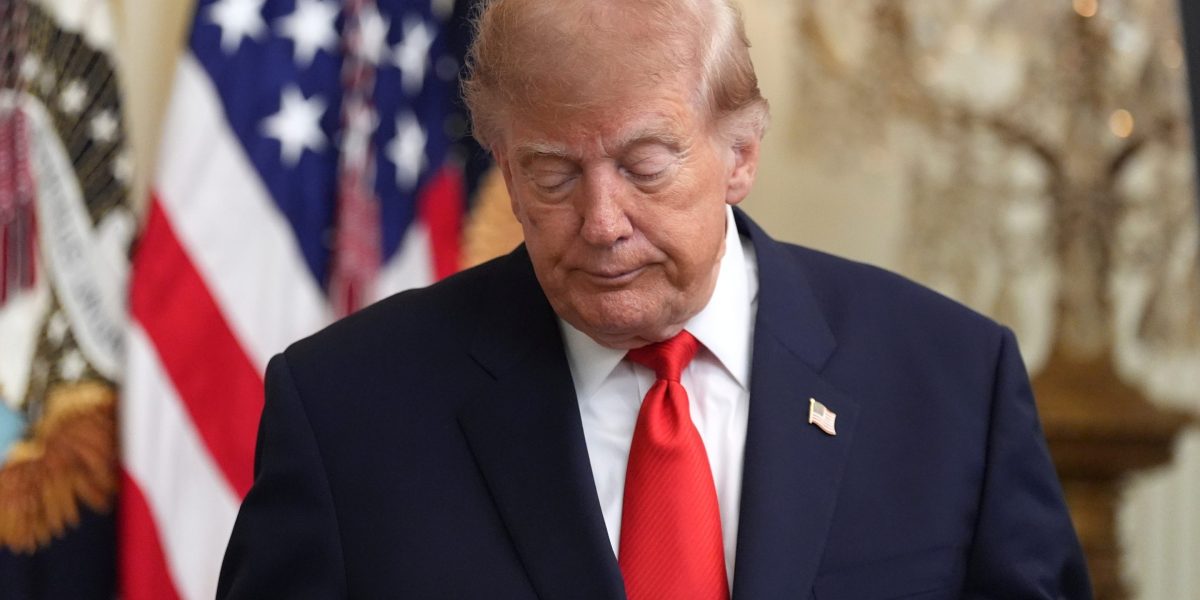
President Donald Trump announced a deal with Russian President Vladimir Putin to supply diesel to the U.S., a move that contradicts years of U.S. pressure on Moscow over its war with Ukraine. Trump claimed the deal would help lower fuel prices ahead of the midterm elections. The announcement came after he signed a sweeping Russia sanctions law last month, which aimed to target Russia’s energy economy.
Ukrainian President Volodymyr Zelenskyy criticized the deal, calling it a “weak decision” and accusing Russia of using it as a smokescreen. He warned that the move would allow Russia to prolong the war and inflict more damage on the world. Zelenskyy also said the deal would not bring peace or any benefit to the civilized world.
The White House did not immediately respond to questions about who would pay for the diesel or when it would be delivered. It also did not clarify whether the fuel would be available before the November 3 election. Gas prices in the U.S. remain high, with the national average for diesel at $6.23 per gallon, despite a recent dip following Trump’s announcement.
Putin’s statement, released by the Kremlin, said that during his call with Trump, the two leaders discussed the Ukrainian crisis and the situation in Iran. Putin also confirmed Russia’s readiness to supply oil and oil products to the American and global markets, claiming it would have a positive impact on the global economy.
The deal has drawn immediate backlash from U.S. lawmakers, including Rep. Don Beyer, who called Trump’s announcement “infuriating” and warned that giving Trump expanded tariff powers was a mistake. The law Trump signed last month directs the administration to target the top importers of Russian oil and gas, but Trump’s move casts doubt on the likelihood of sanctions being imposed this month.
Washington and Moscow Offer Few Details on the Deal
Details about the diesel deal remain sparse, with the White House not immediately responding to questions about payment, delivery timelines, or the availability of fuel before the November 3 election. The lack of clarity has raised concerns about the practicality and implications of the agreement.
Gas prices in the U.S. have remained high, with the national average for diesel at $6.23 per gallon, despite a recent dip following Trump’s announcement. The war in Iran has contributed to global energy market instability, and the diesel deal has added another layer of complexity to an already volatile situation.
Putin’s statement, released by the Kremlin, emphasized that the two leaders discussed the Ukrainian crisis and the situation in Iran during their call. It also highlighted Russia’s readiness to supply oil and oil products to the American and global markets, with Putin expressing confidence that the move would have a positive impact on the global economy.
The deal has also raised questions about the effectiveness of the sanctions law Trump signed last month, which aimed to target the top importers of Russian oil and gas. The law includes provisions for tariffs of up to 100% on the top five importers of Russian oil or natural gas, but Trump’s announcement has cast doubt on the administration’s ability to enforce these measures.
Despite the law’s intent, the U.S. has not imported Russian oil or gas since 2022, when the Biden administration banned them due to Moscow’s invasion of Ukraine. The recent move by the Treasury Department to issue a temporary license allowing Russian diesel to be supplied to the global market has further complicated the situation.
Trump and Putin’s Deal Draws Immediate Backlash
Zelenskyy’s sharp reaction to the deal highlights the deepening tensions between the U.S. and Russia. He accused Russia of using the agreement to prolong the war and gain more leverage, suggesting that the deal would allow Moscow to continue its military operations with less resistance. Zelenskyy’s comments reflect a broader concern among Ukrainian officials about the potential consequences of any easing of sanctions on Russia.
Rep. Don Beyer, a senior House Democrat, called Trump’s announcement “infuriating” and criticized the decision to lift sanctions on Russian fossil fuels. He argued that giving Trump expanded tariff powers was a mistake, as it has led to actions that undermine U.S. foreign policy and national security interests. Beyer’s statement underscores the growing concern among lawmakers about Trump’s approach to Russia.
The law Trump signed last month was intended to target the top importers of Russian oil and gas, but the recent deal with Putin has raised questions about the administration’s commitment to enforcing these measures. The law includes provisions for tariffs of up to 100% on the top five importers of Russian oil or natural gas, but the current situation suggests that these measures may not be fully implemented.
The U.S. has not imported Russian oil or gas since 2022, when the Biden administration banned them due to Moscow’s invasion of Ukraine. However, the recent move by the Treasury Department to issue a temporary license allowing Russian diesel to be supplied to the global market has created new uncertainties about the effectiveness of U.S. sanctions against Russia.
Despite the law’s intent, the recent deal has raised concerns about the administration’s ability to enforce sanctions and maintain pressure on Russia. The situation highlights the complex interplay between U.S. foreign policy, energy markets, and the ongoing conflict in Ukraine.
Treasury Department Moves to Ease Diesel Sanctions for Six Months
Shortly after Trump announced the deal, the Treasury Department issued a temporary license allowing Russian diesel to be supplied to the global market. This is the latest in a series of licenses the U.S. Treasury has issued regarding Russian fuel shipments since the start of the war in Iran. However, this is the first such license to ease sanctions on diesel for a period longer than the standard 30-day window since the start of the Ukraine war.
The new general license means that U.S. sanctions will not apply until April 2027 on deliveries of Russian diesel that have been loaded onto tankers as of the day of the announcement. The department has previously extended similar easing of sanctions in March and April, even though Treasury Secretary Scott Bessent had ruled out such a move earlier in the year. These extensions highlight the ongoing challenges of enforcing sanctions against Russia.
The extensions continue to underscore how the fallout from the war in Iran has boosted Moscow’s ability to profit from its energy exports, which had been restrained by the U.S. and other allies since the invasion of Ukraine. Russia, once a major exporter of diesel, has banned exports since July due to domestic demand pressures caused by attacks on its oil refineries. The International Energy Agency reports that Russian diesel output has fallen by about 30%.
The move by the Treasury Department has further complicated the situation, as it allows Russian diesel to be supplied to the global market without immediate sanctions. This has raised concerns among U.S. lawmakers and officials about the effectiveness of the sanctions law and the administration’s ability to maintain pressure on Russia.
Despite the law’s intent, the recent developments suggest that the administration may be struggling to balance its foreign policy goals with the economic pressures of high fuel prices. The situation highlights the ongoing challenges of enforcing sanctions and maintaining a consistent approach to Russia.
Implications of the Diesel Deal for U.S. Energy Policy
The diesel deal between Trump and Putin has significant implications for U.S. energy policy, particularly in the context of rising fuel prices and the ongoing conflict in Ukraine. The agreement represents a major shift in U.S. strategy, as it reverses years of pressure on Russia and raises questions about the administration’s commitment to enforcing sanctions. This move could have long-term consequences for U.S. energy security and its relationship with Russia.
The deal also highlights the complex interplay between domestic economic concerns and foreign policy objectives. Trump’s focus on lowering fuel prices for American farmers, ranchers, and truckers reflects a broader political strategy aimed at appealing to key voter groups ahead of the midterm elections. However, this approach has drawn criticism from lawmakers and officials who argue that it undermines U.S. foreign policy and national security interests.
The recent actions by the Treasury Department to ease sanctions on Russian diesel further complicate the situation, as they allow Russian fuel to be supplied to the global market without immediate consequences. This has raised concerns about the effectiveness of U.S. sanctions and the administration’s ability to maintain pressure on Russia. The situation underscores the challenges of balancing economic and political priorities in a rapidly changing global landscape.
As the situation unfolds, it remains to be seen how the U.S. will navigate the complex web of energy policy, foreign relations, and domestic politics. The diesel deal with Russia has added another layer of uncertainty to an already volatile situation, with potential implications for both the U.S. and the global energy market.
The situation also raises questions about the long-term effectiveness of U.S. sanctions and the administration’s ability to enforce them. As the conflict in Ukraine continues, the U.S. will need to carefully consider the implications of its actions and the potential consequences for its foreign policy and energy security.