Source: Fox News
Summary
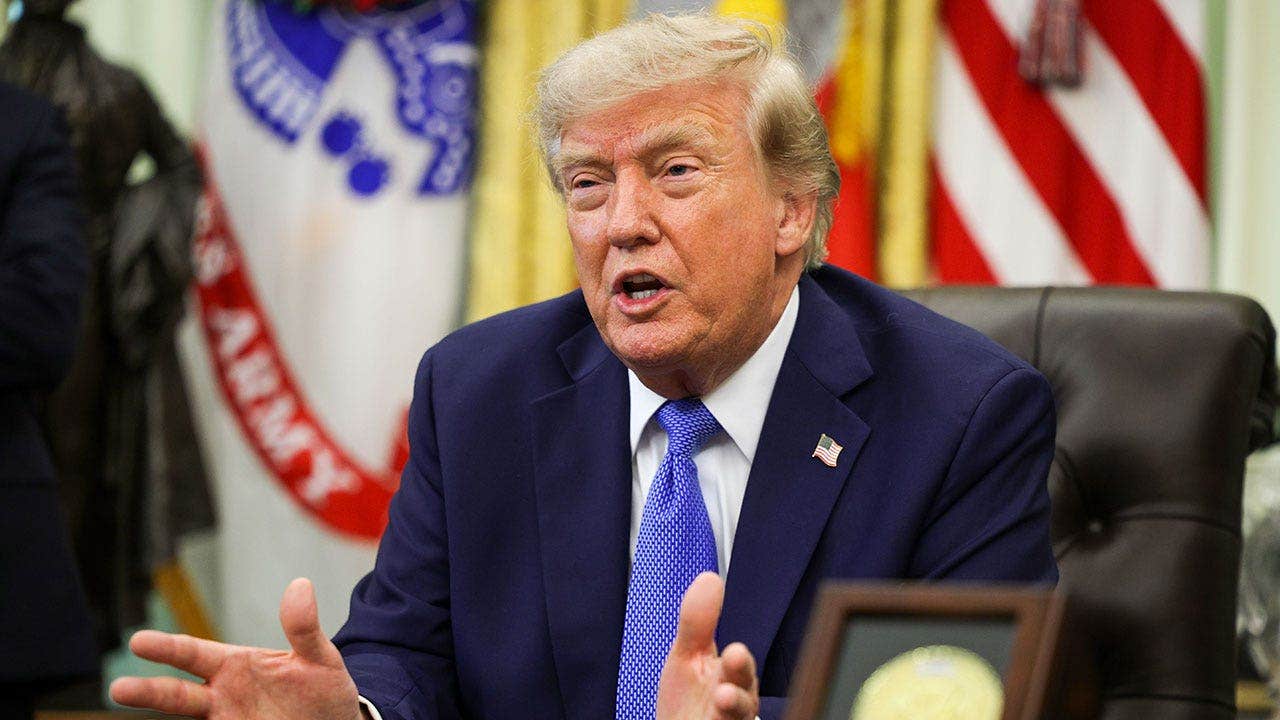
President Donald Trump’s approval rating has dropped to a record low of 33%, according to a new Reuters/Ipsos poll. The rating is the lowest since December 2017. Sixty-four percent of respondents disapproved of his job performance. The war in Iran, which began in February, has led to higher gas prices and inflation. Trump defended the price increases at a rally, saying it was “okay” to pay more. The White House highlighted tax cuts and lower crime rates as positive achievements. Democrats are using the war and affordability issues to gain support ahead of the midterms.
Our Reading
As expected, the matter has reached another stage.
Trump’s approval rating plummets again.
Gas prices rise, war continues, and he says it’s okay.
White House claims progress, but numbers don’t match.
Approval is low, but the routine continues.
Author: Evan Null
Approval Ratings and Political Routines
Trump’s approval rating has hit a new low, mirroring a previous low from 2017. The same pattern repeats, with disapproval rising and support shrinking. The White House continues to frame the situation as a success, despite the data. The routine of political performance remains unchanged, with rhetoric and numbers in conflict. Approval ratings are a measure of public sentiment, but they also reflect the ongoing cycle of political messaging.
The War in Iran and Public Perception
The war in Iran has been ongoing since February, with no clear end in sight. The conflict is framed as a mission to stop Iran’s nuclear program, but its impact is felt in rising gas prices and inflation. Public opinion on the war is divided, with only 35% of Americans supporting it. The war’s effects are visible at the pump, and it has become a key issue in the political landscape. The administration continues to defend its actions, even as public sentiment shifts.
Gas Prices and Economic Impact
Gas prices have risen from under $3 to over $4 per gallon since the war began. This increase has been a point of contention, with Trump defending the jump as acceptable. The administration claims it is part of a broader effort to stabilize the economy, but the public is feeling the pressure. The war’s economic impact is clear, and it has become a central issue in the political discourse. The administration’s response to rising prices reflects a broader strategy of maintaining public support through messaging.
White House Messaging and Political Strategy
The White House has emphasized tax cuts, lower crime rates, and economic growth as key achievements. These messages are intended to counter the rising disapproval and the impact of the war. The administration’s narrative is one of progress and stability, even as the data suggests otherwise. The strategy of highlighting successes while downplaying challenges is a common political tactic. It reflects an ongoing effort to shape public perception and maintain support.
Democrats and the Midterm Election Strategy
Democrats are using the war and affordability issues to gain support ahead of the midterms. The war’s unpopularity and the economic impact are being leveraged to challenge the administration. The political landscape is shifting, with the war and its consequences becoming a central issue. The Democrats’ strategy is to highlight the negative effects of the war and the administration’s policies. This reflects a broader effort to reframe the political narrative and gain an advantage in the upcoming elections.