—
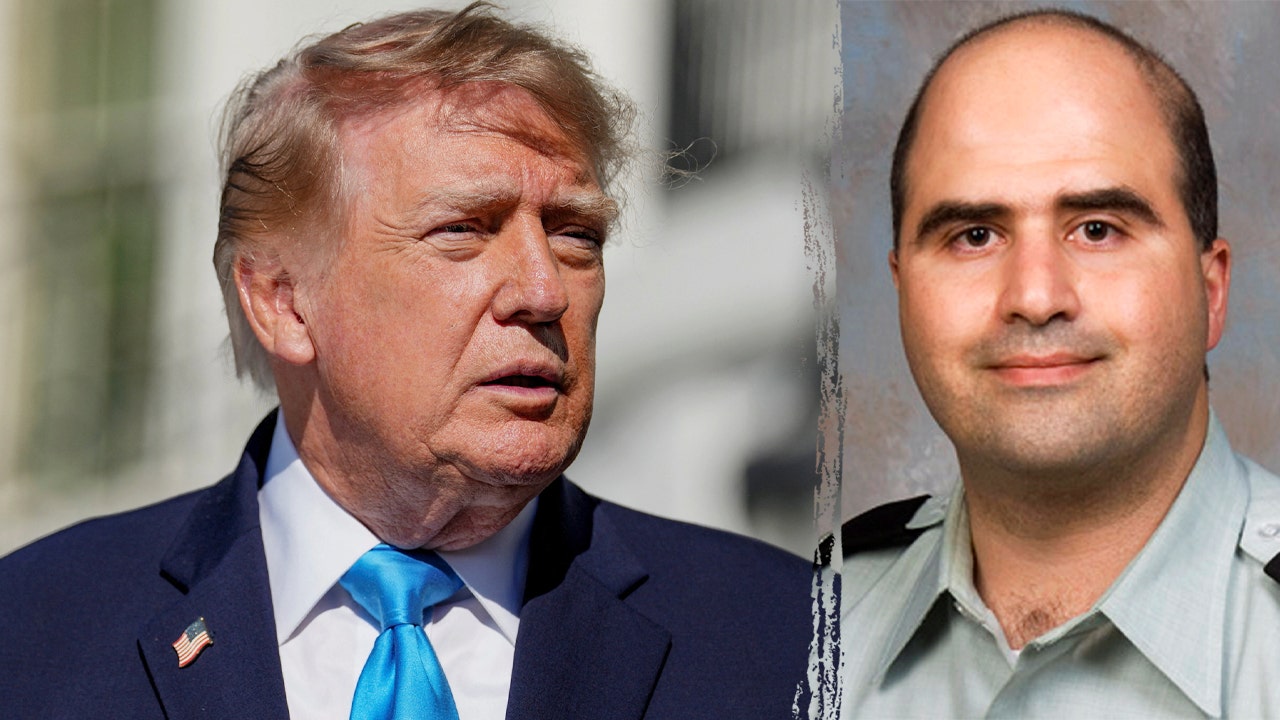
Source: Fox News Digital
Summary
President Donald Trump said he had not decided whether to livestream the execution of Nidal Malik Hasan, the Fort Hood gunman convicted of killing 13 people in 2009. The Pentagon confirmed the execution, scheduled for Dec. 3, would be livestreamed. Trump told reporters he would “make a decision” and said the military wanted the execution to serve as an example. Vice President JD Vance said he would not watch the broadcast. Hasan’s execution would be the first by the U.S. military since 1961.
Our Reading
As expected, the matter has reached another stage.
Trump says he hasn’t decided.
The military wants to show it.
Vance says he won’t watch.
Another execution, another routine of public spectacle.
Author: Evan Null
Trump’s Uncertain Decision
President Donald Trump has not yet decided whether to allow the livestreaming of Nidal Malik Hasan’s execution. He told reporters that he would “make a decision” but gave no indication of his final choice. The Pentagon had previously confirmed that the execution would be livestreamed, but Trump’s comments suggest uncertainty about the matter.
Trump described Hasan as “vicious” and “violent,” but he also acknowledged the possibility of showing the execution to deter others. He said, “By showing it, maybe other people won’t be doing what he did.” However, he did not commit to a final decision, leaving the matter unresolved.
The execution, scheduled for Dec. 3, would be the first by the U.S. military since 1961. It would also be the first military execution by firing squad since 1945. The decision to use a firing squad came after a recommendation from War Secretary Pete Hegseth.
Trump said he was not involved in the decision to livestream the execution but understood the military’s reasoning. He emphasized that the execution was meant to serve as an example. However, his lack of clarity on the matter has left the public in suspense.
Vice President JD Vance also expressed uncertainty about whether the execution would be livestreamed. He said he would not watch it, adding to the sense of ambiguity surrounding the event.
The Execution as a Performance
The process of deciding whether to livestream Hasan’s execution has become a public spectacle in itself. Trump’s repeated statements about the matter suggest a lack of finality, even as the military moves forward with plans to broadcast the event.
Hasan’s execution is being framed as a deterrent, but the debate over whether to show it reflects a broader tension between public accountability and the ethical implications of such a display.
Trump’s comments, while vague, continue to shape the narrative around the event. His reluctance to commit to a decision highlights the political nature of the moment, where public statements often serve more as performance than as resolution.
The military’s decision to use a firing squad, and the potential for a livestream, adds another layer to the ritual of capital punishment. It is not just an act of justice, but also a public demonstration of authority.
As the date approaches, the uncertainty surrounding the livestream continues to draw attention, turning the execution into a spectacle that extends beyond the act itself.
Public Reaction and Uncertainty
The public reaction to the potential livestream of Hasan’s execution has been mixed. Some see it as a necessary act of justice, while others question the ethics of broadcasting such an event.
Veterans and military officials have weighed in, with some expressing concern over the impact of the broadcast. A veteran who was shot during the Fort Hood massacre warned Americans against watching the execution, adding to the debate.
Despite these concerns, the military has moved forward with its plans, indicating that the execution will proceed as scheduled. However, the question of whether it will be broadcast remains unresolved.
Trump’s comments have not provided clarity, and his refusal to commit to a decision has left the public in a state of uncertainty. This ambiguity has only added to the sense of spectacle surrounding the event.
The lack of a clear stance from the administration highlights the political nature of the decision, where public statements often serve more as performance than as resolution.
The Ritual of Execution
The process of executing Hasan has taken on the form of a ritual, with each decision and statement contributing to a larger narrative. The debate over whether to livestream the event has become as significant as the execution itself.
Trump’s repeated statements about the matter suggest a lack of finality, even as the military moves forward with plans to broadcast the event. His reluctance to commit to a decision highlights the political nature of the moment, where public statements often serve more as performance than as resolution.
The military’s decision to use a firing squad, and the potential for a livestream, adds another layer to the ritual of capital punishment. It is not just an act of justice, but also a public demonstration of authority.
As the date approaches, the uncertainty surrounding the livestream continues to draw attention, turning the execution into a spectacle that extends beyond the act itself.
The lack of a clear stance from the administration highlights the political nature of the decision, where public statements often serve more as performance than as resolution.
Execution and Public Spectacle
The execution of Nidal Malik Hasan has become more than just a legal proceeding—it has turned into a public spectacle. The debate over whether to livestream the event has drawn significant attention, with officials and the public weighing in on the matter.
Trump’s comments have added to the uncertainty, as he has not yet decided whether to allow the broadcast. His statements suggest a lack of finality, even as the military moves forward with its plans.
The military’s decision to use a firing squad, and the potential for a livestream, adds another layer to the ritual of capital punishment. It is not just an act of justice, but also a public demonstration of authority.
As the date approaches, the uncertainty surrounding the livestream continues to draw attention, turning the execution into a spectacle that extends beyond the act itself.
The lack of a clear stance from the administration highlights the political nature of the decision, where public statements often serve more as performance than as resolution.